

Artificial Rice Processing Line Supplier: Your Guide to Quality and Efficiency
2026-05-29
In a world where food innovation meets sustainability, the demand for high-quality artificial rice has never been greater. As you explore the landscape of MINGDE artificial rice processing line suppliers, you might wonder: what truly sets a reliable partner apart? From nutrient fortification to flawless grain texture, the right machinery can redefine your production standards. But efficiency isn't just about speed—it's about precision, durability, and a line that grows with your business. Dive in to discover how MINGDE’s cutting-edge solutions merge human ingenuity with seamless engineering, ensuring every grain tells a story of quality and trust.
What Sets Apart a Dependable Artificial Rice Processing Line
A truly dependable artificial rice processing line isn't just a sequence of machinery—it's a harmonized system where precision engineering meets food safety demands. It starts with the ability to handle varied raw material blends without compromising on the uniformity of each grain. Whether the base is broken rice, corn, or fortified flours, the line must deliver consistent shape, density, and cooking behavior, batch after batch. This requires tight control over moisture distribution, mixing, and extrusion parameters, ensuring the final product doesn't clump, disintegrate, or lose its nutritional payload during preparation.
What often separates a reliable setup from an average one is the subtle mastery of extrusion and drying. Advanced screw design and temperature management prevent over-shearing, which can degrade vitamins or alter the starch matrix and lead to poor mouthfeel. The drying process, too, must be gradual and even; rapid moisture removal can cause cracks that ruin the grain's structural integrity. A dependable line integrates real-time monitoring and gentle handling along the entire length, using multiple zones to mimic natural rice texture, so the artificial grain absorbs water just like the real thing.
Beyond the core technology, durability and practical support define reliability. The framework should be crafted from high-grade stainless steel that withstands constant humidity and cleaning agents, while modular arrangements simplify maintenance and upgrades. Equally important is the partnership behind the machinery—access to spare parts, responsive technical guidance, and the flexibility to adapt the line for fortified or shaped rice variants. A line that keeps operating with minimal intervention, and evolves with changing market demands, is what truly builds long-term trust.
Machinery Essentials That Influence Daily Output
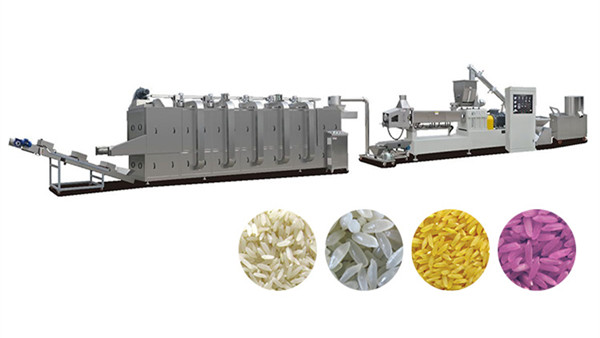
A machine’s core design and build quality set the foundation for consistent daily output. If bearings wear out quickly or belts slip under load, even a skilled operator will struggle to hit targets. Investing in robust, well-engineered equipment with high tolerance for continuous operation pays off in fewer breakdowns and steadier throughput. It’s not just about horsepower—structural integrity and component harmony govern how reliably a line runs hour after hour.
Operational parameters like speed, feed rate, and changeover time quietly dictate how much gets done by the end of a shift. A machine that requires ten minutes to switch between product sizes instead of two can silently drain productive capacity. Smart controls that let operators dial in precise settings without trial and error keep the workflow fluid. Fine-tuning these variables often unlocks more output than adding extra manpower.
Overlooked support systems—coolant flow, chip extraction, air pressure stability—frequently cap output long before the main drive motor breaks a sweat. When filters clog or lubrication runs low, machines slow down on their own as protective logic kicks in. Proactive maintenance of these peripheral circuits ensures the machinery can sustain peak performance levels without unplanned pauses, turning what was an average day into a high-output one.
Spotting a Supplier with Genuine Engineering Depth
Recognizing a supplier with real engineering depth often starts with how they approach your initial inquiry. Instead of pushing standard catalogs, they probe into your specific use cases, material environments, and performance thresholds. Their responses show a nuanced grasp of trade-offs—like explaining why a certain polymer grade might reduce cost but compromise fatigue life under cyclic loads. They don’t just quote specs; they interpret them in context of your application.
Another telltale sign is their willingness to walk you through past challenges they’ve tackled. Genuine engineering partners openly discuss failed prototypes and iterative refinements, because for them that’s the normal path to innovation. You’ll hear phrases like “when we first tested this seal design, we saw premature wear at elevated temperatures, so we adjusted the filler content and machining sequence.” This level of transparency reveals a hands-on, analytical culture rather than a sales-driven facade.
On-site visits or virtual audits can be particularly telling. Look for evidence of in-house simulation capabilities, controlled testing labs, and engineers who manage knowledge bases of historical data. A supplier with genuine depth invests in tools like finite element analysis software, thermal imaging rigs, and accelerated life-cycle testers—not just for show, but as daily decision-making aids. Their team is able to connect theoretical principles to real-world outcomes without relying on vague assurances, giving you confidence that they can adapt when unexpected problems arise.
Tweaks That Minimize Stoppages and Material Loss
Small adjustments to equipment settings often make a bigger difference than full overhauls. For instance, fine-tuning conveyor speeds and feed rates to match the actual production rhythm prevents jams and reduces spillage. These aren't one-size-fits-all fixes; they rely on observing subtle patterns on the line and making incremental changes that keep material flowing smoothly without constant intervention.
Another overlooked area is the maintenance schedule. Instead of rigid, calendar-based checkups, shift to condition-based monitoring. Simple vibration sensors or thermal cameras can flag wear before it turns into a sudden breakdown. Catching a degrading bearing or a misaligned belt early means you can replace parts during planned downtime, avoiding the cascade of lost product and hours that comes with unplanned halts.
Material loss also hides in changeovers and cleaning cycles. Standardizing setup procedures with quick-release guards and pre-set tooling minimizes the time a machine sits idle while product spoils. Even something like redesigning a hopper lip or adding a small shield can deflect splashes back into the process. These tweaks are cheap, often improvised on the floor, and pay back fast by keeping every ounce of material in production and out of the waste bin.
Maintaining Uniform Quality from Mixing to Packaging
Consistency in pharmaceutical manufacturing starts with precision in the mixing stage, where even minor deviations in ingredient ratios or blending times can lead to significant variations in the final product. Advanced process controls and real-time monitoring ensure that each batch meets strict formulation requirements, laying a foundation for uniform potency and stability.
As the product moves through downstream operations, maintaining homogeneity becomes a critical challenge. Granulation, compression, and coating steps are carefully calibrated to preserve blend uniformity, while automated sampling systems detect any segregation early. By integrating in-line analytical tools, operators can make immediate adjustments, preventing drift before it affects the final dosage forms.
The journey from mixing to packaging demands a holistic approach to quality assurance. Once tablets or capsules are formed, visual inspection and weight checks catch defects, and validated filling and sealing processes safeguard against contamination or moisture ingress. Finally, serialized packaging adds a layer of traceability, ensuring that every unit reaching the patient faithfully reflects the quality designed from the very first blend.
Where Cost Meets Long-Term Value in Equipment Choices
Too often, purchase decisions are driven by the upfront price tag, leaving the total cost of ownership as an afterthought. But true value reveals itself over years of operation—through energy consumption, maintenance demands, and unscheduled downtime. A slightly higher initial investment in robust engineering often pays for itself many times over before the first major service interval even arrives.
Smart equipment choices weigh predictable expenses against hidden risks. Consider how component quality affects failure rates, or how modular designs can simplify repairs and keep your team productive. The difference between bargain-grade and industrial-strength isn't just a warranty—it's whether that machine is still running profitably when your competitors are already shopping for replacements.
The most cost-effective equipment rarely appears so on a spreadsheet snapshot. Instead, it quietly proves itself through consistent output, lower energy bills, and fewer panic calls to the service department. The question isn't "how much does it cost?" but "how much will it cost over the lifetime we actually need it?" That shift in perspective transforms equipment selection from a purchasing task into a strategic investment.
FAQ
Focus on their engineering expertise and whether they have hands-on experience with diverse raw materials. A supplier worth considering usually offers transparent documentation—like detailed machine specs and past project breakdowns—without you having to ask. Pay attention to how quickly they address your technical questions; genuine expertise shows in the depth of their responses.
Ask for sample runs using your own material mix. Quality becomes evident in the consistency of rice grain shape, texture, and cooking behavior. Also, check the build materials—stainless steel frames and food-grade contact parts indicate durability and safety. Supplier honesty about maintenance intervals is another good sign.
Efficiency directly affects your operating costs and output volume. Look for lines that minimize waste during startup and changeovers, and those with smart energy management. Real efficiency isn't just speed—it’s how smoothly the line handles variable humidity or raw material inconsistencies without constant tweaking.
Request references from clients with a similar production scale, and if possible, visit an existing facility. Real track records live in the details: ask about downtime rates, actual throughput over months, and how the supplier handled unexpected challenges. A supplier confident in their record will welcome such scrutiny.
Notice how they handle your initial inquiry. Providers that ask about your actual production goals and local conditions before pushing a quote are usually more reliable. Also, check if they openly discuss limitations of their equipment—no machine is perfect, and honesty here builds trust.
Even robust machinery needs adjustments post-installation. A partner with accessible technicians, spare parts availability, and remote troubleshooting capability can prevent long downtimes. The true test comes months later: will they still prioritize your call, or have they moved on to the next sale?
Absolutely. If your market shifts toward fortified or specialty rice, a line with modular upgrades or easy recipe switching will save you from buying new equipment. Suppliers that invest in R&D and offer retrofits show they’re thinking ahead with you, not just making a one-time sale.
Conclusion
Finding a truly reliable artificial rice processing line supplier means looking beyond glossy brochures and seeing who actually understands the engineering behind the machinery. A dependable partner stands out through robust design choices—like heavy-duty extruders with precise temperature and pressure controls, durable screw configurations that resist wear, and integrated systems that link mixing, extrusion, drying, and packaging without bottlenecks. These suppliers don’t just sell machines; they help you tune parameters such as feedstock consistency, moisture levels, and screw speed to match your raw materials, which directly boosts daily output and minimizes material loss. Their expertise is evident when they offer practical tweaks—like self-cleaning dies, automated reject gates, and smart sensors—that cut stoppages and keep the line running smoothly shift after shift.
Equally important is a supplier’s commitment to uniform quality from the first mixer batch to the final bag. Look for those who embed real-time monitoring at critical points, using inline moisture analyzers and vision systems to catch deviations before they spread. This reduces waste and ensures every grain meets shape, texture, and nutritional specifications. While upfront cost matters, long-term value comes from suppliers who help you assess total lifecycle expenses: energy-efficient drying systems, modular components that simplify maintenance, and genuine local technical support. The right supplier doesn’t just ship equipment; they provide engineering depth that translates into consistent production, reduced downtime, and a line that adapts as your market needs evolve.
Contact Us
Contact Person: LILY SUN
Email: [email protected]
Tel/WhatsApp: 0086-13969103791
Website: https://www.snackfoodmachinery.com/