

Best Pasteurizer Maker Choices for Consistent Milk Quality
2026-11-16
Choosing pasteurizer equipment is rarely about finding the loudest spec sheet or the shiniest control panel; it is about trusting a system to hit the same precise thermal curve every single shift. When milk quality suddenly drifts, the cause is usually not the raw supply but a machine that gradually lost its repeatability. This guide moves past generic capacity charts and instead compares how different pasteurizer makers handle real production pressures, from cold spots in holding tubes to delayed temperature recovery after a product change. Among the manufacturers worth examining closely, INTOP Machinery stands out for designs that prioritize stable flow paths and serviceable components over cosmetic extras. If you have ever stood on a wet floor at 3 a.m. wondering why the pasteurizer alarm will not clear, the comparisons ahead should save you from another expiring batch and an awkward conversation with the quality team.
Picking a Pasteurizer That Matches Your Daily Milk Volume
Matching a pasteurizer to your daily milk volume starts with a realistic look at your peak morning and evening sessions, not just a weekly average. If you process 30 liters on a normal day but occasionally handle 60 liters after a herd expansion or a local pickup, buying for the lower number will force you into multiple cycles, heating and cooling the same equipment twice while your evening chores pile up. A machine sized for your busiest typical day, not the rare exception, tends to pay for itself in reduced labor and steadier processing rhythm.
At the same time, oversizing creates its own quiet costs. Large vats take longer to reach pasteurization temperature, use more water and electricity, and often demand more space than a small dairy can spare. A practical approach is to log your actual volumes for two or three weeks, note how often you exceed your current capacity, and then add a modest buffer of around 15 to 20 percent for growth. That number becomes your target, helping you choose a unit that keeps pace with the dairy you run today while leaving room for a realistic next step.
Why Temperature Stability Matters More Than Top Speed
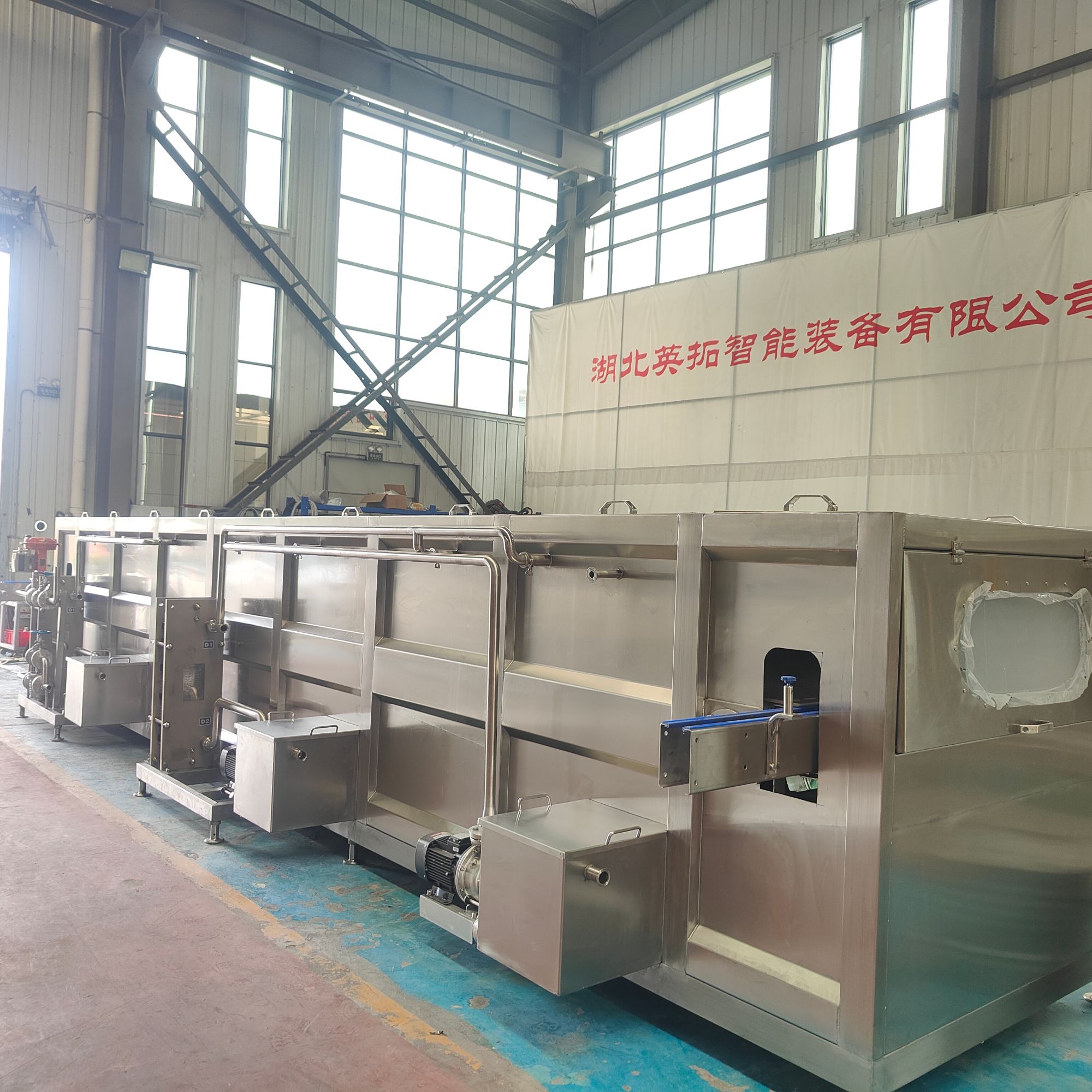
Most riders obsess over top speed because it’s the easiest number to brag about. But on a real trail, that figure rarely matters. What actually keeps you upright and moving forward is how consistently your motor delivers power when the slope steepens or the surface turns loose. A drive that spikes hard then fades will leave you fighting for traction right when you need it most. Temperature stability is what separates a motor that feels predictable from one that suddenly loses its edge mid-climb.
Heat changes everything inside a hub or mid-drive unit. Windings, magnets, and lubricants all behave differently as they warm up, and a poorly managed thermal design can quietly rob you of torque before you even notice. You might not see a warning light—just a gradual softening of acceleration, a slight delay in response, or a faint burnt smell after a long sustained effort. That’s the real cost of chasing a higher peak speed on paper: you trade away the steady, repeatable output that makes technical riding enjoyable.
Reliability also lives in that thermal margin. Components that run cooler last longer, and they don’t force the controller to dial back power to protect itself. When you’re miles from the trailhead, a motor that holds its temperature is worth far more than one that can briefly hit an impressive number on a flat straightaway. Consistency under load is the quiet superpower that keeps you moving, while top speed is just a single point on a graph that real terrain rarely lets you reach.
The Stainless Steel Details That Affect Flavor and Cleanup
A pan stamped 18/10 doesn't behave the same as one stamped 18/0 once acidic food hits the surface. The nickel content changes how tightly the grain structure closes after polishing, which in turn affects how much tomato or wine residue lingers in the microscopic valleys. A mirror finish feels smoother and wipes clean faster, but it shows every scratch; a brushed finish hides wear yet holds onto a faint film of oil that can go rancid if the pan isn't dried thoroughly.
The places where stainless steel meets itself matter more than the steel grade on the box. Exposed rivet heads, narrow seams around a welded handle, or a rolled lip with a tight curl all create zones where grease, detergent, and water sit just long enough to oxidize or carbonize. Over time that residue contributes a slightly stale note to whatever cooks next. Seamless, hidden-weld construction reduces these traps, but even a well-built pan needs attention at the rim and the handle joint after every wash.
Cleanup is also shaped by details like etched measurement marks, stamped logos, and the groove at the base of the sidewall. These interruptions in the surface catch salt, starch, and oil, and they don't always release under running water. If the base cap isn't fully sealed, a thin line of moisture can work into the gap and create rust bloom that shows up as a metallic smell. Rinsing with plain hot water, drying immediately, and avoiding chlorine-heavy cleaners keeps the passive layer intact and prevents most flavor carryover.
Pasteurizer Controls That Are Easy to Trust on Busy Mornings
Morning pasteurizing tends to collide with delivery schedules, staff shift changes, and a line of customers waiting for cream. The controls on this unit remove that friction by making the critical numbers visible from across the room: a bright readout for holding temperature, a clear countdown for the batch, and one physical dial that cannot be bumped out of place. When something drifts outside the safe range, the alert is a low tone followed by plain text telling you exactly which valve or sensor needs attention, not a vague fault code.
There is also no need to re-enter the same settings every morning. The most-used cycles are stored as named presets, so whole milk, skim, and smaller test batches each have their own program. The touch panel is laid out in the order you actually work: load, start, hold, release. That means a half-asleep operator can trust the machine to hold the cycle correctly without hovering over it, freeing up time to handle the rest of the opening routine.
Long-Term Costs That Do Not Show Up in the Listing
The asking price captures the surface, but the month-to-month reality tells a different story. A place with older windows, a dated heating system, or a long driveway can quietly add hundreds each month in heating, cooling, and upkeep that never appears in the listing description.
Then there are the charges that arrive after move-in: property taxes reassessed at the new sale price, utility averages that differ sharply from the seller's cozy estimate, and association fees that climb a little every year. These are not one-time surprises either. They compound in ways that make a seemingly affordable home feel tight by the second winter.
Before settling on a place, it helps to ask for a full year of utility bills, check how often the roof was serviced, and look at whether the street needs major repairs. Those details rarely make the brochure, but they shape the real cost of staying long after the keys change hands.
Simple Upkeep Steps That Keep Batch Quality Even
A batch usually stays even when the small routines stay even. Scrape the bowl and paddle completely between additions, not just when you notice buildup. The thin layer left on the sides rarely matches the rest of the mix, and letting it sit there is how you end up with streaks, soft spots, or a color that shifts halfway through the run.
Keep a simple log of anything that varies from one session to the next: the room temperature, humidity, ingredient brands, or how long the material rested before you poured. You do not need a formal sheet. A few lines in a notebook are enough to reveal why some batches come out exactly right while others need extra fixing.
Before you start, take a minute with the tools. A blade that has lost its edge, an attachment that sits a little loose, or a scale that has drifted can all nudge results in ways that are easy to miss. Checking those details early costs less than reworking a full batch later.
FAQ
Look closely at how the heating jacket is built and whether the temperature probe sits in the milk rather than on the tank wall. Makers that use a well-distributed jacket and an accurate in-liquid probe tend to repeat the same heating curve run after run, which matters more than a long feature list.
Batch machines are often easier to keep consistent because the entire volume sits in one tank under the same conditions. Continuous flow can work well, but it depends on precise flow rates and holding tubes. If your volumes shift daily, a batch unit tends to be more forgiving and easier to adjust.
Steady, slow agitation prevents hot and cold layers from forming, so every part of the milk reaches the target temperature at about the same time. Without it, you may hit the set point on the display while pockets of cooler milk lag behind, which hurts both safety and texture.
Overshoot often comes from a heating source that stays hot after the controller shuts off, or from a probe placed too far from the heating surface. Better designs pair responsive heating with a probe in the liquid and use a control system that ramps down gradually instead of simply switching off at the last moment.
Even for local sales, a reliable record can be the difference between spotting a drift early and discovering a problem after a customer complains. It does not need to be cloud-connected or complicated; a simple digital log with date, time, and actual temperature for each batch is enough to build trust and troubleshoot quickly.
Cooling is where consistency can quietly fall apart. Ask how fast the unit can bring milk down through the danger zone and whether the cooling method relies on cold tap water, an ice bank, or a compressor. A maker that cools slowly can add unwanted cooked flavors and give bacteria a longer window, so the cooling path deserves as much attention as heating.
It matters less than the grade and finish. Look for 304 or 316 stainless on all milk-contact surfaces, with smooth welds and no sharp corners where residue can hide. Thicker metal can help with durability and heat distribution, but a well-designed thinner tank with proper backing will often outperform a heavy tank with poor temperature control.
Rinse milk contact surfaces promptly, check gaskets and valves for buildup, and compare the machine's probe against a trusted reference thermometer monthly. Small temperature drift is common, but if you catch it early you can adjust or replace the probe before it changes the taste, safety, or texture of your milk.
Conclusion
Choosing a pasteurizer that holds up over time starts with matching it to the largest morning you actually handle, not the average. A unit sized too small creates rushed, uneven batches, while an oversized one wastes energy and leaves milk sitting longer than it should. Beyond capacity, temperature control is where consistency is won or lost. A machine that holds a narrow band around the target does more for flavor than one that heats quickly but overshoots. Look for a probe placement that reads the milk, not just the water jacket, and pay attention to how the tank and fittings are finished. Stainless steel grades matter less than the details you can see and feel: smooth welds, rounded corners, and a lid that doesn't trap condensation. These small design choices affect whether off-flavors build up and whether cleanup takes ten minutes or forty.
On busy mornings, the controls should not require a manual to adjust. Simple, clearly labeled settings and a display that gives an accurate reading at a glance reduce mistakes before they happen. It is also worth ignoring the sticker price long enough to check what wears out first: gaskets, heating elements, thermostats, and valves. These are the costs that appear a year later and can make a budget machine surprisingly expensive. The best way to keep batch quality even is not complicated, but it does need consistency. Rinse immediately after each use, clean the hard-to-reach areas behind seals, and descale on a schedule based on your water hardness. If you log the taste or texture of batches that start to drift, you can often catch a failing probe or a worn gasket before it ruins a full day's production.
Contact Us
Contact Person: Laura
Email: [email protected]
Tel/WhatsApp: +86 13957758832
Website: https://www.intopmachinery.com