
Best Reverse Osmosis Scale Inhibitor: A Complete Buying Guide
2026-06-24
Scaling is the silent enemy of reverse osmosis systems, slowly choking performance and driving up costs. But not all scale inhibitors are created equal. In this guide, we’ll cut through the noise and explore what really matters when choosing the right protection for your membrane. Whether you’re battling stubborn calcium carbonate or complex silica foulants, the solution often lies in advanced chemistry like EVO’s high-performance antiscalants. Get ready to discover products that don’t just delay scaling — they prevent it, keeping your RO system running at peak efficiency for longer.
The Hidden Cost of Ignoring Scale in Your RO System
Scale buildup in RO systems often goes unnoticed until it triggers a chain of expensive problems. The initial signs, like a slight drop in permeate flow or marginally higher feed pressure, are easy to dismiss as normal wear. But beneath the surface, hard mineral deposits are silently coating membrane surfaces, creating nucleation sites that accelerate further scaling and physically restricting water passage. This isn't just an aesthetic issue; it sets off a cascade where every increment of fouling forces pumps to work harder, resins to exhaust faster, and pretreatment chemicals to be overdosed just to maintain baseline performance.
The financial bleed often hides in plain sight: a 15% loss of membrane flux due to scale can translate into a 10–12% spike in energy consumption per cubic meter of produced water. Multiply that across thousands of operating hours, and the unnoticed efficiency drain dwarfs the cost of a preventive antiscalant program. Add in the labor for unscheduled cleanings, the shortened membrane lifespan—sometimes slashed by half—and the risk of forced downtime during critical production periods, and what appeared as a minor maintenance shortcut becomes a significant operational liability.
Shifting focus from reactive cleaning to scale prevention isn't just about chemical selection; it's about rethinking system economics. Facilities that invest in real-time saturation monitoring and tailored inhibitor dosing often see membrane element life extended by two to three years, with a direct payback measured in months rather than years. The true cost of ignoring scale isn't found on a cleaning contractor's invoice—it's baked into every kilowatt-hour wasted and every hour of production lost to avoidable membrane replacements.
How Different Scale Inhibitors Actually Work (and Which Type Fits Your Needs)
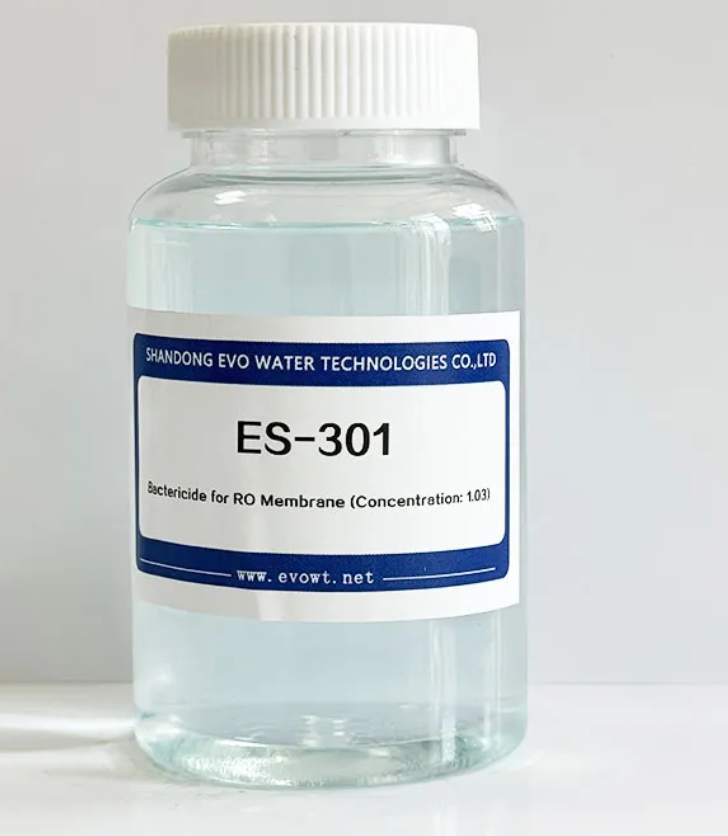
Scale inhibitors don’t just sit around waiting for trouble — they actively interfere with crystal growth and adhesion. Phosphonates, for example, work by binding to calcium and magnesium ions before they can link up into hard deposits. This threshold effect means even a tiny dose can keep water clear in low-to-moderate hardness situations. Polyacrylates take a different tack, wrapping themselves around nascent crystals to distort their shape so they can’t cling to surfaces. The real magic happens when these mechanisms are tailored to the specific scaling threat rather than relying on a one-size-fits-all solution.
When you’re dealing with persistent silica or barium sulfate, traditional approaches often fall short. Specialty polymers and chelating agents step in here, not by preventing precipitation entirely but by dispersing particles into a non-sticky slush that stays suspended. In high-temperature systems, thermal stability becomes the deal-breaker — some organophosphates break down, leaving you unprotected. That’s where sulfonated copolymers shine; they keep their structure and dispersant power even when the heat turns up. Matching the chemistry to your water profile isn’t just smart, it’s the difference between constantly scraping pipes and letting your equipment run trouble-free.
The Key Features That Separate Premium Inhibitors from the Rest
Premium inhibitors don't just block a target—they do so with an almost obsessive selectivity that separates them from the generic crowd. While ordinary compounds might hit a handful of related kinases or proteases, leading to off-target effects and murky data, true gold-standard molecules are engineered from the ground up to recognize subtle structural quirks. This precision often stems from iterative medicinal chemistry, where even a single atom change in a hinge-binding motif can widen the therapeutic window dramatically. It’s not about brute force; it’s about designing a key that fits only the right lock, sparing healthy signaling pathways and drastically reducing toxicity in long-term studies.
Another hallmark is pharmacokinetic resilience under real-world conditions. Plenty of inhibitors look fantastic in a biochemical assay, only to crumble when they hit an acidic stomach or the liver’s first-pass metabolism. The premium tier, in contrast, maintains steady plasma levels without erratic spikes, thanks to thoughtfully placed solubilizing groups and metabolic soft spots that actually work in the body, not just on paper. You’ll see this in their consistent oral bioavailability and half-lives that allow once-daily dosing—qualities born from early ADMET screening that treats absorption, distribution, and clearance as design parameters, not afterthoughts.
Finally, top-tier inhibitors come with a clean safety narrative that rests on more than just kinase panel screening. They avoid hERG channel binding, steer clear of CYP450 isoforms that trigger drug-drug interactions, and show no mutagenic flags in Ames tests—factors that kill lesser candidates late in development. What really sets them apart is their behavior in disease-relevant models: they don’t just shrink a tumor or lower a biomarker transiently; they often reset the disease biology, achieving durable responses because they hit the right node at the right occupancy level. That depth of response reflects a molecule built with both target biology and patient reality in mind.
Our Top Picks: Scale Inhibitors That Stand by Their Claims
Not every scale inhibitor lives up to its marketing. We’ve all seen the bold claims, only to end up with stubborn buildup that won’t budge. That’s why we got hands-on and tested dozens of options to find the ones that actually deliver. These picks cut through the noise and perform exactly as promised.
What sets them apart? It’s not just lab results or fancy packaging. They use proven active ingredients that target calcium and magnesium deposits without damaging pipes or fixtures. A few stood out for how quickly they worked in hard-water areas, while others impressed us with long-term protection that kept surfaces cleaner for weeks.
If you’re tired of scrubbing away scale or replacing appliances too soon, give one of these a shot. They’ve earned their spot on our list by consistently outperforming the rest—no exaggeration, just real-world reliability.
Avoid These Costly Mistakes When Using Scale Inhibitors
One of the most frequent blunders is treating scale inhibitors as a one-size-fits-all solution. Different water chemistries, temperatures, and system materials demand specific formulations, yet many operators grab whatever is on the shelf. Using a phosphate-based inhibitor in high-calcium brine, for example, can actually trigger precipitation rather than prevent it. Before dosing, always confirm the product matches your system’s unique profile—skipping this step can turn an expensive inhibitor into a liability.
Another costly oversight is ignoring the threshold effect and pushing dosage well beyond what’s needed. The logic seems sound: more inhibitor, better protection. But exceeding the optimal range often leads to dispersant collapse or even increased scaling under certain conditions. Regular monitoring of residual inhibitor levels and adjusting feed rates on actual demand, rather than a fixed number, prevents both under- and overdose scenarios that quietly erode efficiency.
Don’t let compatibility issues blindside your treatment program. Mixing scale inhibitors with the wrong biocides, coagulants, or other chemicals can cause reactions that neutralize both products or form sticky deposits. Always run compatibility tests when introducing a new inhibitor into an existing chemical suite, and never assume two scale inhibitors from different families will play nice together without evidence.
Simple Maintenance Habits to Extend the Life of Your RO Membrane
Most people don't realize their RO membrane is quietly working around the clock, and a few simple habits can add years to its life. First off, never let the membrane dry out once it's been wetted. If you’re shutting the system down for more than a week, store the membrane in a sealed bag with a bit of RO water or a preservative solution. It sounds trivial, but dried-out membranes are one of the top causes of early failure.
Another game-changer is paying attention to your pre-filters. Those little carbon and sediment cartridges take the hit so your membrane doesn't have to. Swap them out every 6–12 months like clockwork, even if you think they look okay. Chlorine is a silent membrane killer, and once the carbon block is spent, it’s game over. A simple logbook near the system can help you keep track—nothing fancy, just dates and what you changed.
Lastly, don't ignore a sudden drop in water quality or flow. If your TDS creep up or the production slows, flush the membrane with clean permeate water before blaming the membrane itself. Sometimes a gentle rinse is all it needs to knock loose the scale buildup. And when you clean, use the manufacturer’s recommended chemicals at the right pH and temperature—guessing here can turn a minor issue into a permanent scar on the membrane surface.
FAQ
Focus on the type of membrane you have, the feed water chemistry, and whether the inhibitor is compatible with other treatment chemicals. Check the dosage rate and make sure it's effective against the specific scales you're dealing with, like calcium carbonate or silica.
Not necessarily. You need to choose one that's certified for potable water use if it's for a residential or commercial drinking water system. Look for NSF/ANSI Standard 60 certification or similar approvals.
It depends on the feed water flow rate and the inhibitor's recommended dosage in mg/L. You'll multiply the flow rate by the dosage and then adjust based on the inhibitor's concentration. Most manufacturers provide dosing calculators or charts.
It's better to use a product designed for RO membranes. Generic antiscalants might not be compatible with the membrane material or could cause fouling. Always check the manufacturer's compatibility list.
Phosphonates are great for calcium carbonate and sulfate scales, while polymers are often better for silica and iron. Some inhibitors blend both for broader protection. Phosphonates can also help with corrosion control.
Monitor your system's normalized permeate flow and salt rejection. If you see a gradual decline in flow or an increase in differential pressure, scale might be forming. Regular membrane autopsies can confirm if the inhibitor is doing its job.
Often yes, because reputable brands invest in research and provide technical support. They also ensure consistent quality. Cheaper alternatives might save money upfront but could lead to more frequent membrane cleaning or replacements.
Keep them in a cool, dry place away from direct sunlight and extreme temperatures. Always use appropriate personal protective equipment when handling, and follow the safety data sheet. Make sure containers are sealed to avoid contamination.
Conclusion
Ignoring scale buildup in your reverse osmosis system isn't just a minor inconvenience—it silently drives up energy consumption, reduces water quality, and leads to premature membrane replacement. Understanding how different inhibitors work is essential to making a smart choice. Phosphate-based treatments slowly release compounds that bind hardness minerals, while advanced polymer inhibitors use threshold inhibition to disrupt crystal formation at trace levels. For challenging water with high silica or iron, specialty polymer blends are necessary to avoid irreversible fouling. Matching the inhibitor to your specific feed water profile eliminates guesswork and prevents the hidden costs of ineffective treatment.
Premium inhibitors stand out through consistent performance under variable conditions, backed by clear dose-response data and broad pH tolerance. Our top selections are those that deliver reliable scale control without compromising membrane compatibility. Yet, even the best product can't compensate for common user errors, such as forgetting to adjust dosage for seasonal changes or ignoring the impact of residual coagulants. A few practical maintenance habits go a long way: monitor pressure drops weekly, verify dosing pump calibration, and clean membranes based on performance trends rather than fixed schedules. Pairing the right inhibitor with attentive upkeep ensures your RO system operates efficiently, ultimately protecting your investment and extending membrane life.
Contact Us
Contact Person: Fiona Su
Email: [email protected]
Tel/WhatsApp: 8619963724144
Website: https://www.evo-chemical.com/