

Bias Cutter Manufacturer Insights for Smarter Fabric Cutting Decisions
2026-10-18
Every fabric cutting decision carries hidden costs—wasted material, inconsistent angles, and production delays. If you've ever questioned why your bias cuts fall short, you're not alone. As a leading bias cutter manufacturer, AUGU AUTOMATION has spent years observing where most operations go wrong. In this post, we share the insights that can transform your cutting floor from a bottleneck into a competitive edge.
What Sets a Reliable Bias Cutter Apart on the Factory Floor
A bias cutter that lasts on a factory floor is the one operators stop thinking about. It holds the angle without drifting, cuts clean edges through long runs, and doesn’t need a technician hovering nearby. The blade carriage rides on solid rails, the fence locks down without slipping, and the tension stays where you set it even when the material changes from a light lining to a heavy canvas. That kind of dependability is less about specs and more about how the machine behaves at hour seven of a shift.
What separates a truly reliable bias cutter is how little it interrupts the workflow. Blades swap out quickly, guides don’t bind, and the motor keeps a steady speed instead of bogging under load. Small design choices matter: a guard that doesn’t vibrate loose, a pedal that responds the same all day, and bearings that don’t need constant lubrication. When those details are right, the cutter becomes part of the floor, not a recurring problem.
Reading Between the Spec Sheets: Questions Vendors Hope You Ask
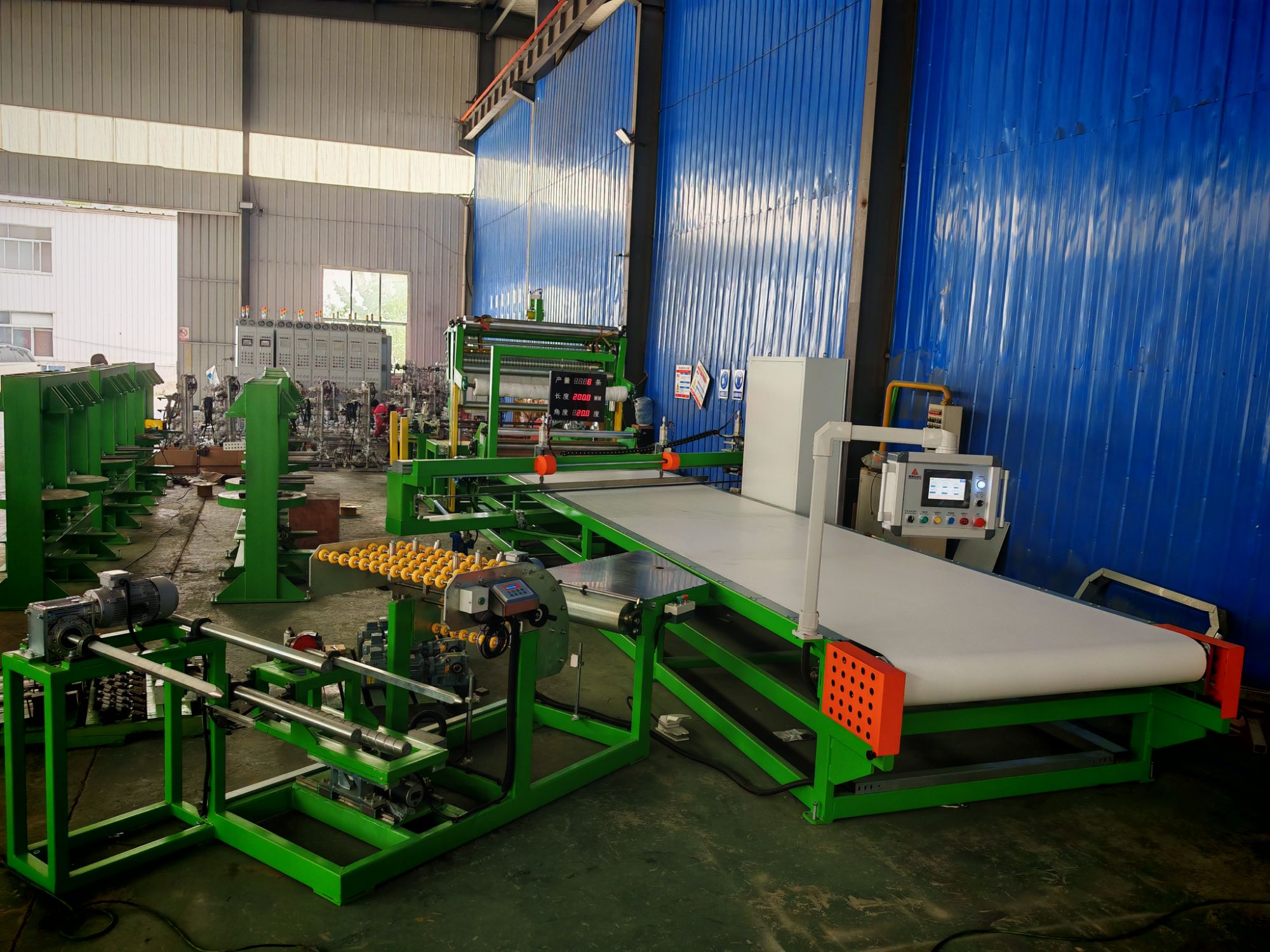
A spec sheet is a clean room—it tells you the output, the tolerances, the ideal conditions. But nobody runs a production line in a clean room. Vendors secretly hope you’ll ask about the messy stuff: how long a changeover really takes, what happens when the power dips for half a second, or which sensor fails first after six months of dust. Those answers can’t be printed in a brochure, and they matter more than any headline number.
Ask what the equipment does after it breaks. Not if—after. Every machine eventually trips a fault, throws an error code, or drifts out of spec, and the genuine difference between suppliers shows up in their recovery story. A vendor who can walk you through a real incident, including the phone call at 2 a.m. and the fix that held, is selling you more than hardware. The one who pivots back to mean time between failures is telling you something else.
Pay attention to unsolicited warnings, too. When a rep volunteers that you’ll need to condition the power, pre-warm the bearings, or retrain operators after a firmware update, they’re drawing a map of all the places their product has failed before. Don’t ignore it—ask for the maintenance log from an existing customer and see if the map is accurate.
Blade Geometry and Fabric Behavior: A Practical Look
When you cut a tightly woven cotton with a blade angled at 60 degrees, the edge tends to push the yarns sideways rather than sever them. The result is a fuzzy, distorted cut line that frays after a few washes. Drop that angle to around 25 degrees and the same blade glides through with almost no resistance, leaving the weave intact. Blade bevel isn't just a number on a spec sheet; it's the difference between a clean garment edge and a pile of loose threads.
Point geometry matters just as much, especially on knits and loosely spun fabrics. A sharp, needle-like tip will pierce through jersey easily but can snag individual loops if you're not moving at a steady pace. A slightly rounded tip requires more downward pressure but skates over the surface without catching. Some cutters grind a small flat on the tip—about half a millimeter—which gives enough penetration for multiple layers while preventing the blade from diving into the cutting mat.
For stretch fabrics or anything with a high synthetic content, a micro-serrated edge often outperforms a polished straight edge. The tiny teeth grip the fibers momentarily, preventing the fabric from bunching up ahead of the blade. Combine that with a thin blade stock (under 0.5 mm) and you can cut a stack of Lycra without the layers shifting. It's a small adjustment in geometry, but it changes how the material responds from fighting the cut to cooperating with it.
When Precision Cutting Stops Being a Trade-Off
For years, hitting tight tolerances meant accepting slower cycle times, higher scrap rates, or constant babysitting of the machine. That old equation has quietly fallen apart. Modern cutting setups pair stiff machine frames with real-time tool offset correction, so holding a few microns doesn't force you to crawl through the program.
The waste factor used to be the hidden price of precision. You'd run test parts, tweak offsets, and toss the rejects. Now, laser focus adjustments follow material thickness changes without dwell time, and waterjet pressure adapts to hardness on the fly. The scrap bin stays nearly empty, even on mixed batches.
What's more telling is how little operator intervention is needed. Adaptive sensors and built-in edge detection handle what used to depend on an experienced hand and a good feel for the material. Small custom runs don't punish you with setup overhead, and long production shifts hold the same first-part accuracy at the end of the day.
The Maintenance Habits That Keep Bias Cutters Honest
A bias cutter is only as reliable as the person who takes care of it. The habit of wiping down the blade with a dry cloth after every single cut might seem small, but it prevents the buildup of adhesive residue and paper dust that slowly throws off alignment. Over time, that residue hardens and nudges the blade a fraction of a degree, which is all it takes to turn a clean cut into a ragged edge.
Another habit that goes unnoticed is checking the cutting mat for grooves before starting a fresh project. A mat that has been sliced in the same spot too many times will guide the blade into old wounds, creating tiny skips and uneven pressure. Rotating the mat, or replacing it when the surface feels rough under a fingernail, keeps the cutter honest without any need for recalibration.
Finally, honest cutters come from storing the tool flat rather than hanging it by the handle. Gravity acts on the blade carriage over weeks, pulling it subtly out of square. A dedicated drawer or a shallow tray with a non-slip liner keeps everything in place, so the next cut starts exactly where the last one ended.
From First Cut to Long-Term Partnership: Choosing a Manufacturer
The first cut isn't just a sample; it reveals how a manufacturer handles ambiguity. If your drawing leaves room for interpretation, do they ask or guess? A shop that quietly ships a part that's 0.002" off but within tolerance has different priorities than one that flags a potential stress riser before cutting. This initial exchange sets the tone.
Long-term partnership emerges from repeated small decisions—how they handle a late material shipment, whether they suggest a cheaper finish without being asked, or if their quotes stay consistent after the first order. You're not choosing a machine; you're choosing a team that will grow familiar with your product's quirks and still care at order fifty.
FAQ
Look beyond the glossy brochure. Ask about the frame rigidity and how the blade carriage handles vibration at high feed rates. A manufacturer that openly shares details about their drive motors, guide rail tolerances, and the metals used in the cutter head is usually worth shortlisting. Also check whether they have experience with the specific fabric types you cut daily—denim and silk put very different demands on a machine.
Blade metallurgy directly determines edge retention and heat buildup. A blade that dulls quickly will start pulling threads instead of severing them, especially on lightweight synthetics. Top-tier bias cutter manufacturers use high-carbon or tungsten-alloy blades with precise sharpening angles matched to fabric density. For heavier materials, you need a blade that can maintain a cool, clean cut without frequent swaps.
Stretch fabrics tend to shift and recover during cutting, causing wavy edges if the feed system doesn't control tension. Better machines have adjustable roller pressure and sometimes vacuum hold-down zones that keep the fabric stable without stretching it out. Look for a manufacturer that tests their cutters on spandex blends and can demonstrate consistent width tolerance across the full roll length.
Cleaning lint from the blade guard and guide rails after every shift matters more than most people think. Lubricate the drive chain or belt according to the manufacturer's recommended intervals—using too much grease attracts dust. Check blade alignment with a feeler gauge weekly, and replace worn bearings before they develop play. A simple logbook of blade changes and adjustments will help you spot gradual wear before it ruins a batch.
It's critical if you cut different garment panels. A sloppy angle lock can drift by a degree or two under vibration, and that translates into twisted seams later. Good manufacturers use positive locking systems—either a vernier scale with a spring-loaded pin or a servo-driven angle set with digital readout. For true 45-degree bias, the cutter head should stay locked without any drift even after hundreds of cycles.
At minimum, your operators need hands-on training for blade changes, tension adjustments, and daily cleaning. But the better manufacturers send a technician who stays until your team can run a full production shift without assistance. Ask if they offer remote diagnostics or quick phone support for troubleshooting. If they sell you a machine and disappear, you'll regret it the first time a tricky fabric snags the feed.
Only if you have a narrow product line with unusual requirements—like cutting narrow strips for binding at very high volume or handling fabrics wider than standard rolls. For most garment factories, a well-configured standard model with the right blade and feed options will do the job. A custom build pays off when it eliminates a separate slitting or inspection step that's currently bottlenecking your workflow.
Conclusion
In real production, a bias cutter earns its keep when the blade tracks true through rolled or folded fabric without drifting after the first hundred cuts. That reliability doesn't show up in glossy brochures; it lives in the fit of the guide rails, the weight of the base, and the way the motor handles layered materials. Before you trust the numbers on a spec sheet, ask how the machine performs on your actual cloth, not just a lab swatch. Blade geometry matters more than most people realize—the rake angle and edge finish change how knits stretch, how tightly woven cotton slides, and whether bias edges curl or stay flat. A sharp blade with the wrong profile can still chew up fabric, while a well-chosen angle cuts clean even at slower speeds.
Precision stops being a trade-off when maintenance doesn't require a technician on speed dial. Honest bias cutters are built so you can swap blades, clean the carriage, and check alignment without tearing down half the machine. That's where long-term partnership starts: a manufacturer who walks you through those routines before you sign, then answers calls after installation. Look for someone who treats your cutting floor as a shared problem, not a one-time sale. If they're willing to talk about blade life in real hours, show you worn parts to watch, and adjust settings for your fabric mix, you're likely dealing with a builder who understands that smarter fabric cutting isn't about the fanciest features—it's about a machine you can trust every shift.
Contact Us
Contact Person: Lareina
Email: [email protected]
Tel/WhatsApp: +86 17561696737
Website: https://www.auguauto.com/