

China RFID Warehouse Management Drives Real-Time Inventory Visibility
2026-10-10
Warehouse managers in China are ditching clipboards and barcode guns for something far more immediate: RFID tags that report location, quantity, and movement in real time without a single line-of-sight scan. The result is inventory visibility that updates as goods move, not hours later. That operational shift is what OSRFID has been enabling across Chinese logistics hubs, from cross-dock centers to e-commerce fulfillment sites. In this post, we'll break down how RFID warehouse management is turning real-time visibility into faster order cycles, fewer stockouts, and leaner warehouse labor.
From Handheld Scanners to Hands-Free Sweeps
Handheld scanners have long been the workhorse of inventory management and retail checkout, but their reliance on a human operator meant every single item needed an intentional aim and a steady grip. The physical act of lifting a device, aligning the laser or image sensor, and pulling a trigger became second nature to millions of workers, yet it quietly set a ceiling on throughput. Repetitive motion strain and the constant need to switch between scanning and handling goods added friction that no amount of user training could fully erase.
The shift toward hands-free sweeps didn’t happen overnight. Early fixed-mount scanners eliminated the handheld unit but still demanded precise positioning of the barcode within a narrow read zone. Then came multi-plane imaging and tunnel systems that could capture codes from almost any angle as items moved past on a conveyor. What changed the game was combining those optics with smart software that could stitch together a full 360-degree view of an object in motion, allowing workers to simply slide or toss items through a zone without breaking stride.
Today’s hands-free sweep setups blur the line between scanning and sensing. In warehouses, wearable ring scanners paired with voice picking let associates grab and verify items without ever setting anything down. In retail, ceiling-mounted arrays quietly log every product that passes beneath them, and in logistics, automated tunnels read dozens of parcels per second while workers focus on sorting rather than scanning. The result is a workflow where data capture happens in the background, freeing human hands and eyes for tasks that actually require judgment and dexterity.
When a Warehouse Knows What It Holds
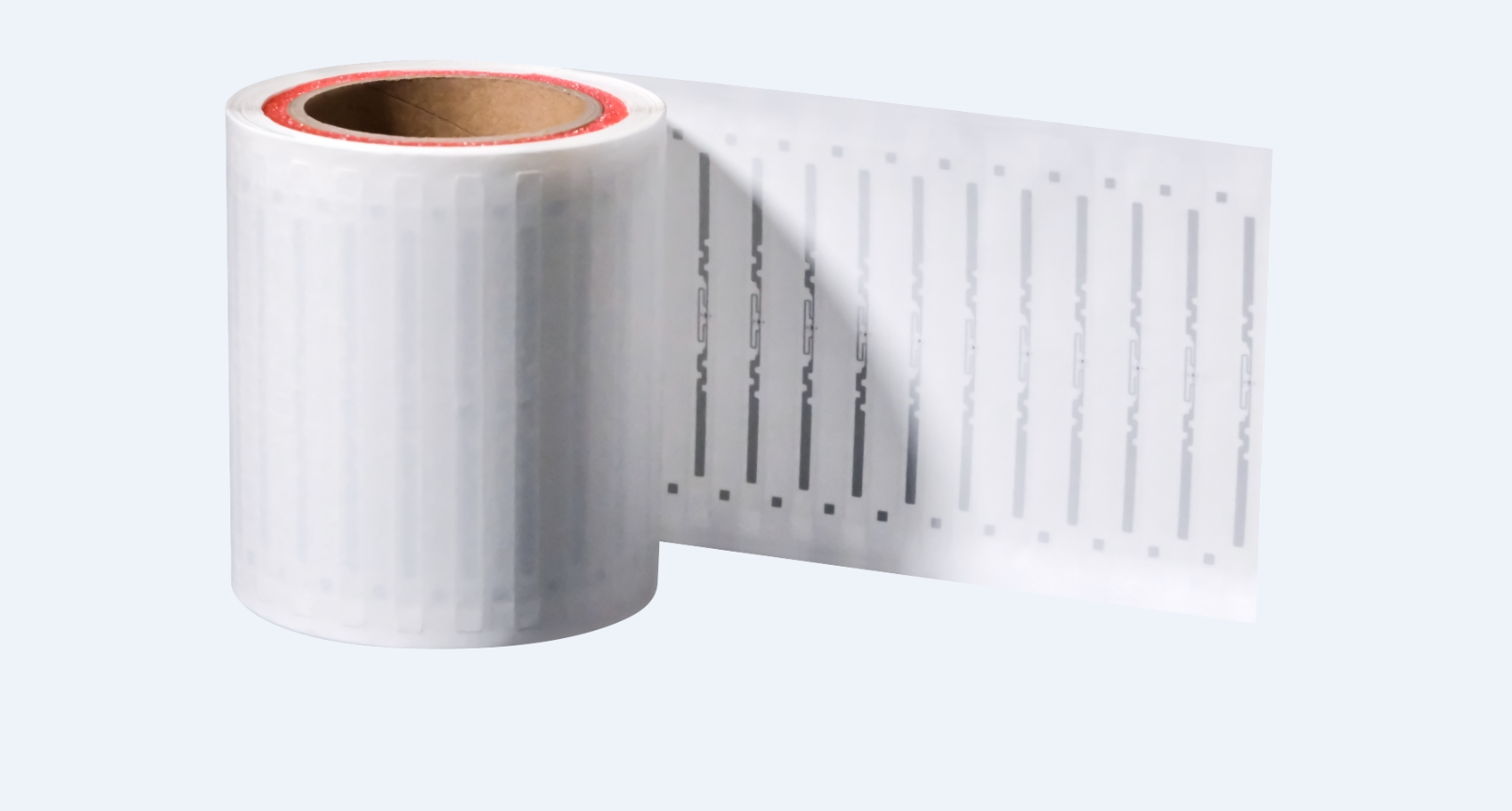
Most warehouses still operate with a kind of educated blindness: they know what arrived, what shipped, and maybe what the last cycle count said. But that snapshot goes stale the moment a pallet is moved by the wrong hand or a return is set on the nearest empty shelf. A warehouse that knows what it holds doesn't just refresh that picture daily or hourly—it sees the drift in real time. It notices the misplaced carton before a picker walks three aisles too far, and it flags the slow leak of shrinkage before month-end reconciliation turns it into a mystery.
That kind of awareness rarely comes from a single sweeping upgrade. More often it's built from quiet layers: tags that broadcast their own location, cameras that read labels without needing perfect lighting, and software that learns which bins tend to overflow on Thursdays. The goal isn't to drown managers in dashboards. It's to make the warehouse itself able to answer a simple question—"what's here, and where exactly?"—without sending someone with a clipboard to find out.
The shift shows up in small, unglamorous ways. Replenishment orders get cut before out-of-stocks happen, not after. Seasonal overflow gets routed to the least disruptive corner because the system knows that corner has been half-empty for weeks. And the people who work there spend less time hunting and more time moving. A warehouse with a memory doesn't just hold inventory; it holds the thread of operations together, so the next decision starts from what's actually true, not from what was true last Tuesday.
Shenzhen's Stockrooms Stop Playing Guessing Games
Walking into a Shenzhen stockroom used to feel like a test of memory and luck. Shelves brimmed with unmarked boxes, handwritten tags faded into smudges, and workers spent hours hunting for one particular component. That guessing game is now over. Warehouse managers have swapped clipboards and gut feelings for real-time tracking systems that log every item the moment it arrives. The result is a quiet revolution: misplaced inventory has dropped sharply, and the daily scramble to find parts has been replaced by a quick scan and a clear path to the right shelf.
The shift didn’t come from a single big invention but from a practical blend of low-cost sensors, simple mobile apps, and better labeling habits. Stockrooms now assign digital IDs to every bin and pallet, letting staff update quantities with a phone tap instead of a paper form. One electronics distributor in Longgang cut its nightly stock-check time from three hours to forty minutes. Another in Bao'an eliminated nearly all shipping errors after linking its stockroom data directly to order pick lists. These changes might sound small, but for a city that moves millions of electronic parts every day, they add up to faster turnaround and fewer frustrated customers.
The real lesson from Shenzhen’s stockrooms is that clarity beats complexity. Instead of chasing fancy automation, many businesses focused on fixing the basics: clear aisle signs, consistent bin numbering, and a shared digital log that everyone updates. As one warehouse supervisor put it, “We stopped guessing where things were, and suddenly our whole day opened up.” That extra time now goes into quality checks and quicker customer responses, proving that when a stockroom stops playing guessing games, the whole supply chain breathes easier.
The Quiet RFID Shift Reshaping Chinese Logistics
Walk through a regional sorting hub in Guangzhou and you may not notice the change at first: parcels still surge along conveyors, but workers no longer pause to scan barcodes one by one. Instead, overhead RFID readers capture tag data from dozens of packages in a single pass, even when boxes are stacked or labels are smudged. This shift isn't flashy, but it's quietly redrawing how Chinese logistics operators think about throughput and labor.
The move to RFID has been driven less by a single breakthrough than by a steady drop in tag costs and a jump in reader reliability. A few years ago, passive UHF tags were still too expensive for low-margin e-commerce shipments. Now, with tag prices near a fraction of a cent and read accuracy above 99.5 percent in dense environments, warehouses and trucking fleets are treating RFID less as a pilot project and more as default infrastructure.
What makes the shift particularly Chinese is its scale and speed. Third-party logistics providers are retrofitting cross-dock centers, and last-mile stations use RFID to reconcile inbound volumes without opening every bag. The result is not a futuristic leap, but a practical quiet upgrade: fewer missed scans, faster handoffs, and the ability to track assets that previously drifted into blind spots.
How 3PLs Are Cutting Shrinkage Without Extra Headcount
Shrinkage often hides in plain sight: count errors at receiving, misplaced pallets, or pickers grabbing the wrong case because bin labels are outdated. Instead of adding another team of cycle counters, some 3PLs are reworking their slotting logic. Fast-moving SKUs get located closer to packing stations with dedicated, frequently counted bins, while slower inventory is moved to less accessible areas. This simple change lowers touch points and makes discrepancies easier to spot during normal workflow.
Dock doors are becoming a second line of defense. Cameras paired with dimensioning systems check carton counts as pallets pass through, flagging mismatches against the WMS record before goods ever hit the shelf. No one has to stand there with a clipboard. The existing receiving crew gets a short list of exceptions to resolve, which takes minutes per shift instead of hours.
There’s also a push toward tighter vendor scorecards. When a 3PL starts rejecting non-compliant pallets or charging back for repeated shortages at receiving, suppliers suddenly get more accurate. That alone cuts shrink by a surprising margin, because the inventory never enters the building with a built-in discrepancy that later looks like internal theft.
Real-Time Inventory Visibility Is No Longer a Luxury
For years, knowing exactly what was in stock at any given moment was a competitive edge reserved for companies with deep pockets and dedicated IT teams. That era is over. Today, customers assume a product listed online is actually available for pickup, shipping, or delivery within the promised window. When that assumption breaks, the cost is immediate: lost sales, abandoned carts, and negative reviews that spread faster than any restock alert.
Real-time visibility shifts inventory management from a reactive scramble to a continuous operational rhythm. Instead of relying on end-of-day batch updates or periodic cycle counts, teams can see stock levels across warehouses, store shelves, and in-transit shipments as they change. This enables dynamic safety stock adjustments, automatic replenishment triggers, and smooth cross-channel order routing. A sudden spike in demand for one SKU no longer means guessing which location can spare units; the system already knows.
The barriers that once made real-time tracking expensive and complex have largely disappeared. Cloud-based platforms, affordable RFID tags, and API integrations now allow mid-sized retailers and wholesalers to achieve what only enterprise giants could a decade ago. Waiting for a weekly report to spot a stockout is no longer acceptable when competitors can promise same-day fulfillment. Real-time inventory visibility has become the operational baseline for staying relevant, not a premium feature to add later.
FAQ
The spike in e-commerce orders during events like Singles' Day forces warehouses to process millions of items within days. RFID's ability to read hundreds of tags per second without line-of-sight means stock counts that used to take a full shift now finish in under an hour, directly preventing overselling and stockouts.
Fixed readers at dock doors and conveyor belts capture tag data as goods move through receiving, putaway, picking, and shipping. This data streams into a warehouse management system that updates stock levels instantly, so supervisors can see on a dashboard which SKUs are low or where a pallet is stuck without walking the floor.
Apparel and footwear brands have been early leaders because RFID tags can survive folding and washing, giving them accurate stock across hundreds of retail stores and central warehouses. Electronics manufacturers and pharmaceutical distributors are also adopting it heavily to meet traceability regulations and prevent counterfeit parts.
Metal racks and liquid products can reflect or absorb radio signals, causing missed reads unless tags are carefully placed or special on-metal tags are used. Many companies also struggle with integrating RFID data into legacy ERP systems that were never designed for high-velocity sensor input, leading to delays and custom middleware costs.
Barcodes require a worker to physically aim a scanner at each item, which becomes a bottleneck when handling thousands of cartons per hour. RFID reads entire pallets or totes at once, even through cardboard and plastic wrap, so a single forklift passing a gate can update inventory for dozens of items without slowing down.
Picking errors typically drop below 0.1% with RFID verification at packing stations, compared to 1-3% with manual barcode checks. Fewer errors mean fewer returns and less rework, and some facilities report cutting cycle-count labor by over 60% because handheld RFID readers let one person audit an entire aisle in minutes.
They are embedding RFID tags into logistics units like totes and pallets rather than individual products, which gives end-to-end visibility through their network of sorting centers and last-mile stations. This lets them reroute inventory in real time when a regional warehouse runs low, rather than waiting for nightly batch updates.
Local tag suppliers like Yuanwanggu and Invengo offer low-cost passive UHF tags that comply with China's 920-925 MHz band, so importing foreign tags may cause frequency conflicts. Partnering with a local systems integrator familiar with Chinese warehouse workflows is crucial, because labor practices and facility layouts differ significantly from Western models.
Conclusion
China’s warehouses are rapidly discarding the old routine of handheld scanner beeps and manual aisle checks. Fixed RFID readers mounted at dock doors and conveyor junctions now sweep entire pallets and cartons in a single pass, no line of sight required. In Shenzhen’s stockrooms this has ended the guessing game: a facility can run a full inventory reconciliation in minutes instead of shutting down for days, and the system knows not just how many boxes are present but exactly which SKU, batch, and expiry date sits on each shelf. The result is a warehouse that finally understands what it holds, down to the item level, without someone walking around with a clipboard.
This quiet shift is reshaping Chinese logistics beyond the big players. Third-party logistics providers are using RFID to cut shrinkage without hiring extra security or audit staff, because discrepancies surface immediately when a tagged item leaves a controlled zone without a matching outbound record. The tags themselves have become cheap enough to attach to individual high-value goods or reusable containers, and the data feeds directly into WMS dashboards that dispatchers and clients can view live. What was once a luxury reserved for automated mega-hubs is now standard practice in regional distribution centers, driven by the simple economics of fewer write-offs, faster receiving, and the ability to promise customers real-time inventory visibility that actually holds up.
Contact Us
Contact Person: Esme Mo
Email: [email protected]
Tel/WhatsApp: 0086 191 2931 7837
Website: https://www.osrfidglobal.com/