

CI Flexo Printing Machinery Export Opportunities Across Global Markets
2026-11-21
Packaging converters in Southeast Asia, Latin America, and the Middle East are moving faster than ever to replace aging equipment, and CI flexo printing machinery has become the quiet center of that shift. Export opportunities are expanding, but they are not evenly distributed: buyers want repeatable print quality, faster changeovers, and a supplier that understands regional compliance pressures. That is where HuiPeng enters the conversation—not just as a manufacturer, but as an export partner shaping how high-performance flexo presses reach new markets. This article explores where demand is growing, what it takes to win orders, and why the next wave of global flexo investment may look very different from the last.
Where Flexible Packaging Demand Is Outrunning Local Capacity
Walk through a converting plant outside Nairobi or Ho Chi Minh City and the gap between orders and output is hard to miss. Flexible packaging demand from snacks, instant food, and home care brands keeps rising, yet local capacity has not kept pace. Many lines are running around the clock, and converters are still turning away work or quoting delivery dates that brands cannot accept.
The strain is most visible in multi-layer barrier film, solventless lamination, and pouch formats that require tighter seals and faster speeds. Local resin and film supply often depends on imports, so a late vessel or a short allocation quickly cascades into missed production slots. Skilled operators and maintenance staff are also scarce, making it harder to push existing equipment much further.
For buyers, that means lead times that used to sit at three or four weeks now stretch past ten, with urgent orders absorbing heavy freight premiums. Some smaller brands are trimming print colors or switching to simpler structures just to keep shelves stocked. Converters are investing in new lines, but long equipment delivery times and training curves suggest the shortage will not ease soon.
Tariff Shifts That Rewrite the Import Math for CI Flexo
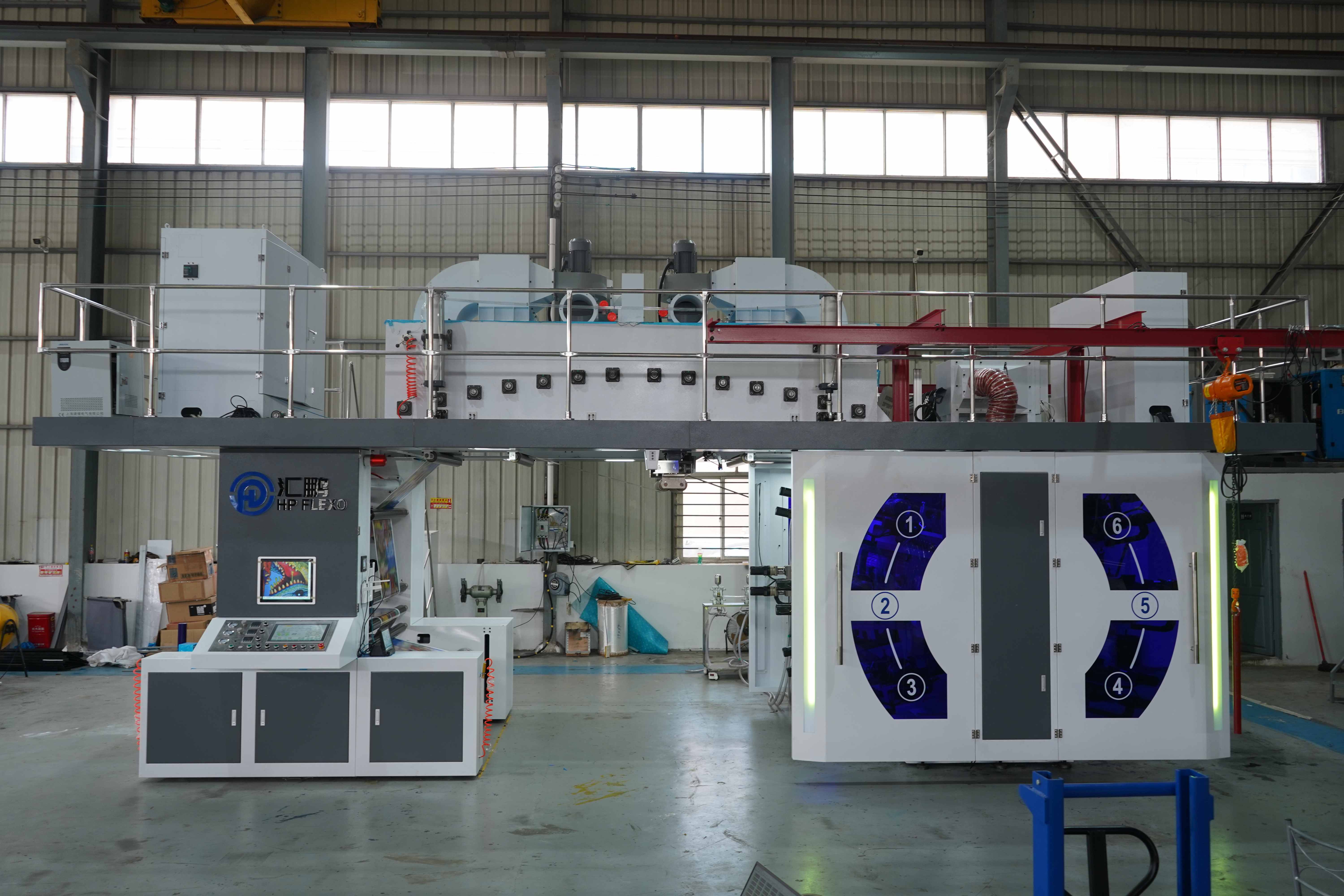
For years, the landed cost of a CI flexo press from overseas followed a predictable formula: machine price plus freight plus a tariff rate that rarely moved. That arithmetic has been quietly torn up. New duty classifications aimed at printing machinery with integrated automation and servo drives have pushed effective rates from low single digits into double-digit territory for some configurations. Buyers who once compared quotes strictly on ex-works price now find that a 3% difference at the factory gate can balloon into a 12% gap after customs, freight forwarder fees, and the new surcharges tied to control system origin.
The less obvious shift sits in how customs authorities appraise the "principal function" of a hybrid CI flexo line. If the converting module outweighs the printing module in value—say, a coating station or a die-cutting unit sourced from a third country—the entire line can be reclassified under a different heading with a steeper tariff. That reclassification risk has made some importers rethink modular builds. A press assembled from European print decks and Asian finishing units no longer lands as cheaply as it did two years ago, even when the invoice looks identical.
What used to be a straightforward comparison of two machines now demands a line-by-line tariff engineering review. Savvy converters are asking vendors to split shipments, stage final assembly domestically, or alter the motor and drive sourcing to keep the machine inside a lower-duty bracket. In several cases, the duty savings from a modest reconfiguration have exceeded the cost of adding a local control panel integration step. The import math for CI flexo has stopped being about the machine alone—it is now a negotiation over how the machine is defined on paper.
Why Gravure Work Is Migrating to CI Flexo Across Key Export Markets
The shift is rarely about a single breakthrough. In export-focused converting plants, gravure's old advantage was scale: once a long-run job was engraved and running, the cost per square meter looked unbeatable. That math has changed as brand owners in Europe and North America order shorter runs, more SKUs, and seasonal variants. A gravure cylinder set that once spread across a six-month campaign now gets parked after three weeks, leaving capital tied up in steel and copper. CI flexo, by contrast, moves the investment from heavy cylinders to lightweight sleeves and photopolymer plates, so a mid-length job can be quoted without burying the price in tooling amortization.
Compliance pressure is doing the rest. Export packages shipped into the EU or certain North American retail channels now face tighter limits on solvent retention and VOC emissions. Solvent-based gravure drying demands extensive abatement, solvent recovery, and documentation just to stay within permit levels. Many converters are finding that water-based or EB-curing CI flexo inks remove a large part of that burden without forcing them to sacrifice rub resistance or color density. One packaging manager described the change as cutting the compliance conversation in half, because the pressroom no longer has to defend its solvent inventory.
Perhaps most important, the quality gap that used to protect gravure has narrowed considerably. High-definition flexo plates, flat-top dots, and improved tension control now hold fine vignettes and smooth process work well enough for premium snack, confection, and frozen food export lines. Where gravure still wins on extremely long, unchanged designs, flexo is capturing the broader middle of the market—faster changeovers, lower plate costs, and fewer regulatory headaches in the regions that matter most.
The Operational Metrics Buyers Quote Before Requesting a Demo
When a team starts asking for a demo, they rarely say they need “better software.” Instead, someone brings up the invoice error rate sitting at 1.8%, or the fourteen hours it takes to move a quote from intake to approval. Those numbers are the real spec sheet. They already know which parts of the process bleed time and money, and they want to hear whether the product can pull those figures down without forcing them to rebuild every workflow around it.
The metrics that come up most often tend to be things like first-pass yield, cost per transaction, rework rate, cycle time from request to handoff, and capacity utilization by team. Buyers usually quote figures from their own reporting, not industry benchmarks, because they are defending a budget request or trying to fix a bottleneck that has a name attached to it. The more specific the number, the more likely the buyer has already mapped the problem and is checking whether the vendor can speak to that reality rather than offering a generic tour of features.
A quoted metric also sets the tone for what a successful demo looks like. If a controller mentions that each supplier invoice costs $9.74 to process, they are not just complaining about cost; they are pointing at the hours their accounts payable team loses to manual entry and exception handling. Responding with a dashboard walkthrough rarely lands well. What earns attention is acknowledging the math behind the number, showing where the product removes the specific steps that drive it up, and being honest about the parts it will not fix overnight.
Regional Pockets Where Short Runs Are Becoming Standard
In a few gritty manufacturing districts, short runs have stopped being a special request. The equipment may look outdated, but it is deliberately simple: hand-adjusted guides, modular drying racks, and presses that can be cleaned in the time it takes to drink a coffee. That ease of changeover is the real asset.
The shift has also changed the rhythm of the working day. Instead of batching hundreds of identical items, teams now move through several small jobs by mid-afternoon. Mistakes are caught earlier because the feedback loop is short, and the people running the line can still name the client for each order.
Local demand pushes the same direction. Buyers in these areas tend to restock in quick, varied bursts rather than placing one large seasonal order. Once that habit takes root, short runs feel less like a compromise and more like the only sensible way to keep shelves fresh.
The After-Sales Support Gap That Decides the Next Order
Most after-sales failures never show up in a complaint ticket. A part arrives a day late, a technician forgets to explain a setting, or the follow-up call simply doesn't happen. None of these rise to the level of an angry email, yet each one quietly redraws the customer's expectations. By the time the contract renewal lands, they are no longer comparing you to your competitor; they are comparing you to the standard you set on day one.
The gap usually appears in the handoff between departments. Sales promises a response within four hours, support works on a queue that treats every ticket equally, and logistics treats every shipment as a routing problem. The customer never sees those internal edges. What they see is a promise that evaporated, followed by three different people asking the same question. That friction becomes part of the product's perceived quality, even when the product itself works perfectly.
Closing the gap rarely requires a new CRM or a bigger support budget. It starts with defining what "resolved" really means: a working solution in the customer's hands, with enough explanation that they can use it tomorrow without calling back. Teams that measure that outcome instead of ticket volume tend to find their next order gets easier to win, because the trust earned after the sale is the only proof that the promises made before the sale were true.
FAQ
Southeast Asia and parts of Latin America stand out because brand owners are pushing for shorter lead times and local production. That creates a need for modern presses that can handle frequent job changes without losing registration accuracy. It is less about replacing worn-out machines and more about building capacity closer to end users.
In Europe and North America, thinner substrates, water-based inks, and recyclable structures are becoming standard. This favors CI flexo because the central drum keeps tension stable on films that stretch or deform easily. Exporters that can demonstrate consistent print quality on these materials often find an easier entry path.
Many converters in Africa, the Middle East, and South Asia are less concerned with top speed and more concerned with uptime. They expect local spare parts access, remote diagnostics, and training for operators who may not have years of flexo experience. A supplier that offers practical support often beats a machine with slightly better specs.
It is often about registration stability on wide web films and repeatability across long orders. Newer CI machines also tend to have faster setup times and better automation for sleeve changes, which matters when the same line handles multiple customers in a week. The upgrade is driven by job complexity rather than simple capacity.
They can reduce tariffs and make capital equipment more affordable for buyers in partner countries. However, the larger impact is often indirect: when a trade bloc encourages regional packaging production, converters invest in new lines. That shift creates demand even in markets that previously imported finished packaging.
They are becoming a more important buyer group because multinational brands want backup suppliers and shorter supply chains. These converters usually need mid-web machines that are easy to run and maintain. Exporters that ignore this segment often miss steady orders outside major metropolitan areas.
Flexible packaging for food, personal care, and household products is the main driver. Within that, stand-up pouches and resealable films are growing quickly. These structures often require multiple layers and tight registration, which plays directly to the strength of a central impression press.
Conclusion
Across much of Southeast Asia, East Africa, and the Andean belt, flexible packaging demand is moving faster than local converting capacity. Mid-sized printers are not just looking for more output; they are trying to reduce dependence on imported gravure work that carries long lead times and rising logistics costs. Tariff changes have made that switch more concrete. When finished film, cylinders, or engraved sleeves face higher duties, the numbers often tip toward installing CI flexo capacity closer to the consumer. Many buyers reach out only after they have rebuilt the import math and realized a press purchase beats paying recurring duties and freight.
The conversations have also become more operational. Printers quote changeover times, plate sleeve costs, ink retention, and waste per job before they ask for a demonstration. In the Middle East, North Africa, and parts of South Asia, shorter runs have quietly become the default, so maximum rated speed matters less than repeatable registration and quick job turnover. That shift makes after-sales support the real tiebreaker. A supplier with local service partners, fast spare parts delivery, and remote troubleshooting can hold a quote through several rounds of negotiation, while one selling mainly on print width tends to stall after the first comparison. Exporters who organize training and maintenance around these regional buying rhythms convert interest into orders more reliably.
Contact Us
Contact Person: Isaias
Email: [email protected]
Tel/WhatsApp: 86-13868693129
Website: https://www.hpflexo.com/