

Dry Type Transformers in China: Innovations, Market Growth, and Key Manufacturers
2026-07-30
As China accelerates its push toward smart grids and energy efficiency, dry type transformers are experiencing a quiet revolution. Once seen as a niche alternative, these transformers now stand at the forefront of innovation, driven by new materials, digital monitoring, and stricter fire safety regulations. This shift is not just reshaping power distribution but also redefining what reliability means in modern infrastructure. Amid this transformation, Deepwill has emerged as a name worth watching, combining cutting-edge R&D with manufacturing precision to meet the demands of a rapidly evolving market. In this blog, we’ll explore the key forces fueling market growth, the technologies making waves, and the manufacturers setting new benchmarks—including insights into what sets leading players apart in today’s competitive landscape.
How China's Dry-Type Transformer Technology Is Evolving
The evolution of dry-type transformer technology in China has been driven by a combination of stricter energy efficiency regulations, rapid urbanization, and the demand for safer, more reliable power distribution in sensitive environments. Early domestic designs were often imported or licensed, but over the past two decades, Chinese manufacturers have moved to fully independent R&D, focusing on advanced core materials, improved insulation systems, and precision manufacturing processes. This shift has not only reduced losses but also enhanced fire safety and environmental resistance, making modern dry-type units a default choice for high-rise buildings, data centers, and renewable energy integration projects across the country.
A key area of progress is the development of noise reduction and thermal management. By adopting wound cores made of amorphous metal or high-permeability silicon steel, combined with optimized coil geometries, engineers have managed to significantly cut no-load losses and operational hum. Innovative air duct designs and the use of nano-enhanced resin coatings have pushed cooling performance further, allowing higher power densities in compact footprints. This is especially critical in cities where space is at a premium and residents are more sensitive to electrical infrastructure noise.
Looking ahead, digitalization is reshaping the technology landscape. Integrated sensors, IoT connectivity, and AI-driven analytics are being embedded into transformers to enable real-time health monitoring and predictive maintenance. Chinese utilities and industrial users are progressively adopting these smart dry-type transformers to reduce downtime and extend asset life. The combination of solid-state components with traditional dry-type designs is also being explored, promising adaptable voltage regulation and improved grid stability, which marks the next frontier in the country's ongoing transformer evolution.
Unpacking the Forces Behind Market Expansion
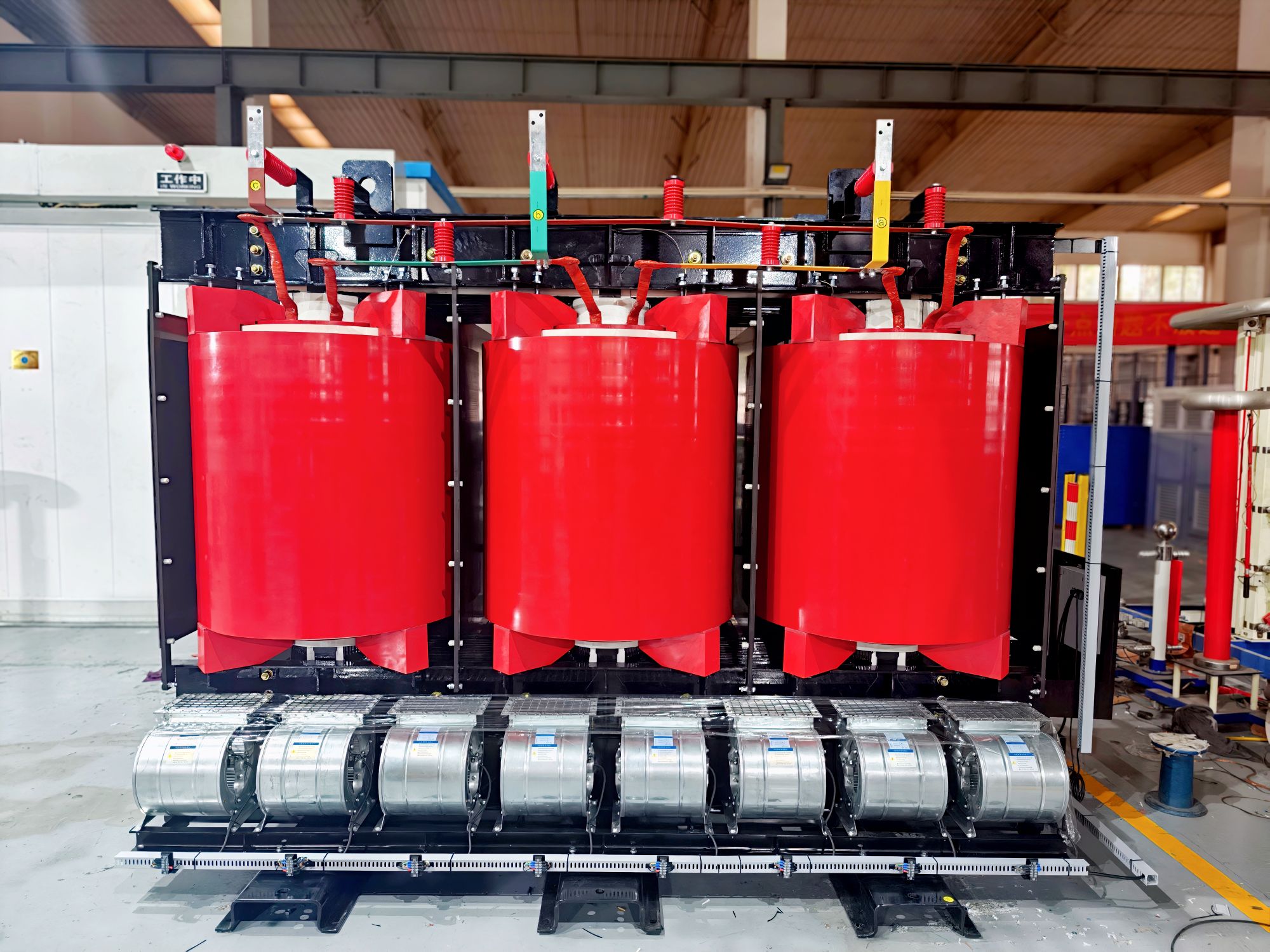
Market expansion rarely happens by accident. Beneath every surge of growth, a distinct blend of pressures and opportunities is at play. Some stem from restless consumer demand—shifts in taste or unmet needs that pull industries toward fresh frontiers. Others are born of technological breakthroughs that rewrite the rules of production and distribution, allowing businesses to reach audiences once beyond their grasp. Then there are the subtler currents: regulatory changes, cultural trends, or economic cycles that quietly reshape the playing field.
Consider how the rise of digital infrastructure has dissolved barriers that once made cross-border trade a logistical nightmare. A decade ago, a niche artisan in Kyoto might have struggled to find customers in Berlin. Today, the same maker can tap into global marketplaces with ease. This isn't just about better shipping—it's about a fundamental shift in how trust, payment, and visibility flow across borders. Yet the tools alone don't guarantee success. They simply set the stage for those who can read the deeper signals.
Unpacking these forces means looking past the obvious metrics. It involves mapping the interplay between local ambition and global interconnectedness, recognizing that a policy tweak in one region can ripple outward, creating opportunities—or risks—half a world away. The companies that methodically untangle these threads are often the ones that move swiftly when the moment calls for it, blending intuition with disciplined analysis. In the end, market expansion is less about chasing growth and more about understanding the hidden architecture that makes it possible.
Profiles of Industry Front-Runners
Standing at the forefront of innovation, these companies have redefined what it means to lead. They don’t merely follow trends—they create them, often leaving competitors scrambling to adapt. What sets them apart is an unwavering commitment to solving real-world problems with elegant, scalable solutions.
Their journeys are rarely straightforward. Instead, they’re marked by bold pivots, calculated risks, and a culture that rewards curiosity. From reimagining supply chains to embedding sustainability into core operations, these front-runners turn challenges into launchpads, proving that the greatest breakthroughs often emerge from the toughest constraints.
Peer closer and you’ll notice a shared trait: a near-obsessive focus on the people they serve. Whether through hyper-personalization, frictionless interfaces, or ethical data practices, they build trust in ways that feel almost instinctive. It’s this human-centric lens that turns first-time buyers into lifelong advocates, and it’s why their influence extends far beyond quarterly earnings.
Navigating Efficiency Standards and Green Shifts
Balancing regulatory demands with operational realities has become a defining challenge for modern industries. Efficiency standards once seen as checkboxes now push companies to rethink core processes. The shift isn't merely about compliance; it's about survival in markets where energy costs and carbon footprints shape competitive edges. Factories retrofit machinery, offices overhaul lighting grids, and supply chains weave in tighter thermal envelopes—all while margins stay razor-thin. The trick lies in treating standards not as ceilings but as springboards, leveraging them to uncover latent savings that pure market pressure never exposed.
The green transition compounds this complexity. Swapping fossil fuels for renewables sounds straightforward on paper, until you confront the intermittency of solar arrays, the infrastructure lag in grid upgrades, and the sheer inertia of legacy systems. A packaging plant might cut emissions by 30% simply by recovering waste heat, yet that same plant risks downtime if its new biogas line fluctuates. Real progress demands a mosaic approach: blending real-time energy monitoring with predictive maintenance, and coupling on-site generation with storage that smooths the peaks. It’s less about grand gestures and more about stitching together incremental wins that collectively bend the curve.
What often goes unsaid is the cultural pivot required. Engineers who spent decades optimizing for throughput must now optimize for kilowatts per unit. Procurement teams accustomed to cheapest-first sourcing learn to factor in lifecycle emissions. Middle managers suddenly negotiate power purchase agreements alongside production schedules. The firms that navigate this best aren’t necessarily the ones with the deepest pockets, but those that foster a mindset where efficiency and green goals aren't siloed initiatives—they're the same conversation. That alignment turns what could be a grinding obligation into a quiet strategic advantage.
The Push Toward Smart Grid Readiness
Energy providers are under mounting pressure to modernize outdated infrastructure, and the push toward smart grid readiness now shapes investment decisions at every level. Rather than waiting for mandates, many utilities are proactively deploying advanced sensors and automated control systems that can detect outages in real time, reroute power, and even self-heal portions of the network. This shift is as much about operational resilience as it is about preparing for the unpredictable—extreme weather events, cyber threats, and fluctuating demand patterns all demand a grid that can adapt instantly.
At the heart of this transformation is the integration of distributed energy resources like rooftop solar, battery storage, and electric vehicle chargers. Traditional grids weren't designed for two-way power flows, yet smart grid readiness demands exactly that: seamless orchestration of countless edge devices. Utilities are now investing in interoperable communication protocols and edge computing to let these assets talk to each other and to the central control room without overwhelming operators. The goal isn't just managing load better, but turning every connected home and business into a flexible grid partner.
Consumer expectations are another powerful driver. People want real-time usage data, dynamic pricing options, and the ability to sell excess solar back to the grid without friction. Making that happen requires a digital layer that sits on top of the physical infrastructure—customer portals, mobile apps, and automated demand-response programs that work reliably behind the scenes. For many utilities, the true measure of smart grid readiness is less about hardware and more about how quickly they can turn data into actionable insight, building trust with customers who increasingly see electricity as an interactive service, not just a monthly bill.
Challenges That Define the Road Ahead
Every journey worth taking is paved with uncertainty. The digital landscape, in particular, shifts so rapidly that today's best practice might be tomorrow's liability. One of the most persistent hurdles is fragmentation—platforms evolve at different speeds, user behaviors splinter across devices, and data gets trapped in silos. This isn't just a technical snag; it's a strategic puzzle that demands constant recalibration. How do you build for consistency when the ground keeps moving under your feet?
Then there's the human element, often glossed over in roadmaps. Skills gaps widen as new tools emerge, and team alignment becomes fragile when priorities collide. The pressure to innovate can overshadow the need for maintenance, leaving systems brittle. Real progress hinges on fostering a culture that balances exploration with reliability—a tightrope walk that many underestimate until something breaks.
FAQ
Urbanization, renewable energy integration, and industrial automation are fueling the need for efficient and safe power distribution, with dry-type transformers being preferred for their low fire risk and suitability for indoor installations.
Developments include the use of high-thermal-conductivity epoxy resins, 3D wound core structures that reduce no-load losses, and embedded IoT sensors for real-time performance monitoring and predictive maintenance.
Prominent players include TBEA, China XD Group, Baoding Tianwei Baobian Electric, and Jiangsu Huapeng Transformer, all recognized for extensive R&D capabilities and strong domestic and international market presence.
Dry-type transformers eliminate the risk of oil leaks and fire, making them ideal for sensitive environments like hospitals and high-rises; they also require less maintenance since there is no need for oil testing or replacement.
The market is expected to expand at a CAGR of around 6–8%, driven by investments in smart grid infrastructure, green building codes, and the expansion of railway electrification.
They serve as step-up transformers in solar parks and wind farms, converting low-voltage generation to medium voltage for grid connection, while their non-flammable nature enhances safety in remote or ecologically sensitive areas.
Most top-tier manufacturers comply with IEC, IEEE, and CE standards, and their products undergo rigorous testing for insulation, thermal performance, and short-circuit withstand, enabling global exports.
Challenges include managing heat dissipation in high-capacity units, minimizing acoustic noise, and reducing partial discharge; however, advances in materials science and computational fluid dynamics are providing effective solutions.
Conclusion
China's dry-type transformer sector stands at the forefront of a technology renaissance, propelled by continuous breakthroughs in insulation materials, thermal management, and integrated digital controls. These innovations are not only boosting efficiency but also enabling compact, fire-safe designs crucial for crowded urban data centers, high-speed rail networks, and renewable energy hubs. As the country accelerates its electrification drive, a confluence of forces—mushrooming commercial complexes, stringent environmental mandates, and expanding offshore wind capacity—fuels a market expansion that shows no sign of abating. Leading manufacturers like TBEA, CREAT, and Sanbian Sci-Tech are turning this momentum into reality, each carving out niches through proprietary casting processes or smart sensory capabilities, while consolidating their presence in both domestic mega-projects and belt-and-road overseas ventures.
Yet the landscape is being reshaped beyond just capacity figures. The new GB 20052 efficiency tiers and a national push for carbon neutrality are forcing a wholesale pivot toward amorphous cores and eco-friendly natural ester fluids, redefining what "green" actually means for dry-type units. Meanwhile, the race toward smart grid readiness has intensified, with modular designs that speak IEC 61850 protocols and hazard-monitoring algorithms that pre-empt faults before they cascade. Still, the road ahead is littered with tough questions: supply chain bottlenecks for premium grain-oriented steel, a skilled-worker gap in advanced manufacturing, and the sheer complexity of retrofitting aging infrastructure. How well industry front-runners navigate these hurdles while staying price-competitive will ultimately determine whether China's dry-type transformer revolution can morph from a domestic juggernaut into a truly global blueprint.
Contact Us
Contact Person: Julion
Email: [email protected]
Tel/WhatsApp: 8617351370631
Website: https://www.deyunelectric.com