

Inconel Alloys: Essential Guide to Durable High-Temperature Materials
2026-04-06
In the demanding world of high-temperature engineering, few materials stand the test of extreme environments like Inconel alloys. These superalloys are the unsung heroes behind jet engines, power plants, and industrial furnaces, offering unparalleled durability where others fail. At the forefront of this innovation is Jiangsu Baowu New Materials, a leader in advanced material solutions that push the boundaries of what's possible. This guide will dive into why Inconel alloys are essential for high-temperature applications, exploring their unique properties and real-world uses that keep industries running smoothly. Whether you're an engineer, a materials enthusiast, or simply curious about cutting-edge technology, join us as we uncover the secrets behind these durable materials and the role they play in shaping a more resilient future.
Introduction to Inconel Alloys: Properties and Applications
Inconel alloys, a family of nickel-chromium-based superalloys, are renowned for their exceptional resistance to high temperatures, corrosion, and oxidation, making them indispensable in demanding industries such as aerospace, chemical processing, and power generation. These alloys combine robust mechanical strength with durability, ensuring reliable performance in extreme environments—a crucial factor for components exposed to intense heat and harsh chemicals.
The unique properties of Inconel stem from its composition, typically including elements like molybdenum, niobium, and titanium, which enhance its ability to withstand thermal fatigue and creep. This makes it a go-to choice for applications ranging from jet engine parts and gas turbines to heat exchangers and nuclear reactors, where failure is not an option.
From a practical standpoint, Inconel alloys offer versatility across various sectors, with their weldability and formability allowing for tailored solutions in complex designs. In the oil and gas industry, for example, they're used in downhole tools and pipelines to combat corrosive substances, while in marine settings, they help prevent degradation from saltwater exposure. This adaptability ensures that Inconel remains a critical material for pushing technological boundaries.
Key Types of Inconel Alloys for Industrial Use
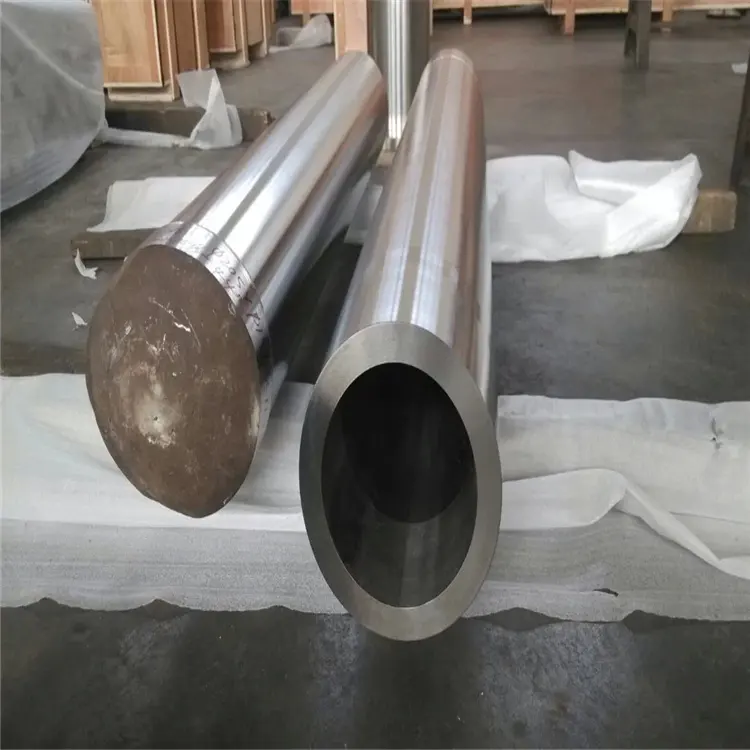
One of the most widely recognized Inconel alloys is Inconel 625, prized for its exceptional resistance to corrosion and oxidation across a broad temperature spectrum. This nickel-chromium-molybdenum alloy maintains impressive strength even in extreme environments like marine settings or chemical processing plants, making it a go-to choice for applications such as heat exchangers, piping systems, and offshore platforms. Its versatility stems from a unique composition that resists stress-corrosion cracking, ensuring longevity under harsh industrial demands.
Another standout is Inconel 718, renowned for its high-temperature capabilities and excellent mechanical properties. This age-hardenable alloy combines nickel, chromium, and iron with additions like niobium and molybdenum, allowing it to perform reliably in aerospace engines, gas turbines, and nuclear reactors. Unlike some superalloys that degrade quickly under heat, Inconel 718 retains its toughness and creep resistance up to about 1300°F, making it indispensable for components like turbine blades and fasteners that endure intense stress.
Beyond these giants, Inconel X-750 offers a specialized solution for applications requiring superior strength and resistance to relaxation under high temperatures. Often used in aerospace structures and gas turbine rings, this alloy achieves enhanced properties through a combination of nickel, chromium, and titanium, with heat treatment processes that fine-tune its performance. While less common than Inconel 625 or 718, its unique balance of properties highlights the diverse range of Inconel alloys tailored to meet specific industrial challenges, from petrochemical refining to advanced manufacturing systems.
Manufacturing Processes in Inconel Alloy Production
In the production of Inconel alloys, the journey from raw materials to high-performance components begins with specialized melting techniques. While vacuum induction melting (VIM) is commonly used for initial refinement, producers often combine it with other methods like electroslag remelting (ESR) or vacuum arc remelting (VAR) to achieve exceptional purity. This dual approach helps eliminate impurities that could compromise the alloy's corrosion resistance or mechanical strength, tailoring the microstructure for demanding environments such as aerospace or chemical processing.
Following melting, the forging and hot working stages play a pivotal role in shaping Inconel's properties. Unlike some metals that are easily machined, Inconel requires careful control of temperature and deformation rates during processes like extrusion or rolling. This not only forms the alloy into desired shapes but also enhances its grain structure, ensuring it retains durability under extreme stress and heat—a key reason why it's favored in jet engines and deep-sea equipment.
Finishing touches involve precise heat treatment and machining. Heat treatments, such as solution annealing or aging, fine-tune the alloy's hardness and toughness without sacrificing its inherent corrosion resistance. Machining Inconel demands advanced tools and techniques due to its work-hardening nature, but when done right, it yields components that stand up to harsh conditions for years, making these processes integral to its reliable performance in critical applications.
Corrosion and Oxidation Resistance in Harsh Environments
When materials are exposed to harsh environments—like high humidity, acidic atmospheres, or extreme temperature fluctuations—corrosion and oxidation become critical concerns. These processes can degrade structural integrity over time, leading to failures in everything from industrial equipment to aerospace components. Unlike milder conditions, harsh environments accelerate wear, demanding specialized alloys, coatings, or treatments that can resist chemical attacks and thermal stress. For instance, in offshore oil rigs, saltwater exposure combined with microbial activity creates a perfect storm for rust, making corrosion resistance not just a feature but a necessity for safety and longevity.
In many high-stakes applications, such as chemical processing plants or power generation facilities, resistance to oxidation is equally vital. Oxidation occurs when metals react with oxygen, often at elevated temperatures, forming brittle oxides that weaken surfaces. This isn't just about avoiding rust; it's about maintaining performance under duress. Materials like stainless steels or nickel-based superalloys are engineered to form protective oxide layers that shield against further damage, allowing them to thrive in settings where ordinary metals would succumb quickly. Think of it as a dynamic defense mechanism, constantly renewing to fend off environmental aggression.
Beyond traditional methods, advancements in nanotechnology and composite materials are pushing the boundaries of what's possible. For example, incorporating ceramic nanoparticles into metal matrices can enhance both corrosion and oxidation resistance by creating a more uniform barrier. This approach mimics natural processes, like the way some plants resist pests, offering a tailored solution that adapts to specific harsh conditions. As industries face increasingly extreme challenges—from deep-sea exploration to space travel—the quest for durable materials isn't just about meeting standards; it's about innovating for resilience in the toughest corners of our world.
High-Temperature Performance and Thermal Stability
When it comes to materials or systems that operate under extreme conditions, high-temperature performance is a critical factor that determines longevity and reliability. For instance, in aerospace applications, components are often exposed to scorching environments during re-entry or within jet engines. Achieving superior high-temperature performance means ensuring that materials don't degrade, maintaining their structural integrity even when temperatures soar above 1000°C. This isn't just about resistance to heat; it's about how well a material can handle thermal stress, creep, and oxidation over extended periods, which directly impacts safety and efficiency in demanding scenarios.
Thermal stability goes hand in hand with high-temperature performance, focusing on how consistently a material behaves as temperatures fluctuate. Imagine a cutting-edge electronic device that needs to function flawlessly in both arctic cold and desert heat—thermal stability ensures that its properties, like conductivity or mechanical strength, don't waver unpredictably. Without this stability, components could fail prematurely due to thermal expansion mismatches or phase changes, leading to costly downtime. It's a key metric in industries from automotive to energy, where thermal cycling is common, and reliability can't be compromised.
To stand out, consider how recent innovations are pushing the boundaries of these concepts. Some advanced alloys and ceramics now incorporate nanotechnology to enhance thermal stability, allowing for better heat dissipation and reduced thermal fatigue. By integrating smart design features, like tailored microstructures or protective coatings, products can achieve unprecedented resilience in harsh thermal environments. This forward-thinking approach not only boosts performance but also opens up new applications, such as in renewable energy systems or high-speed transportation, where traditional materials might falter.
Future Trends and Innovations in Inconel Technology
In the realm of advanced materials, Inconel alloys are poised for transformative developments that extend beyond traditional high-temperature applications. Researchers are focusing on novel manufacturing techniques like additive manufacturing, which allows for the creation of complex geometries with reduced waste and enhanced material properties. This shift is enabling more efficient designs in aerospace and energy sectors, where components can be tailored to withstand extreme stresses while optimizing weight and performance.Another key trend is the integration of smart materials and coatings to improve Inconel’s resistance to corrosion and wear in harsh environments. Innovations in nanotechnology are leading to the development of self-healing surfaces that can repair minor damages autonomously, extending the lifespan of critical parts in industries like chemical processing and marine engineering. These advancements not only boost durability but also reduce maintenance costs and environmental impact.
Looking ahead, the fusion of Inconel with other advanced materials, such as composites and ceramics, is opening new frontiers for hybrid solutions. This convergence aims to achieve superior thermal and mechanical properties, making Inconel-based systems more versatile in emerging fields like renewable energy and space exploration. By pushing the boundaries of material science, these innovations promise to redefine the capabilities of Inconel technology in a rapidly evolving industrial landscape.
FAQ
Inconel alloys are widely used in aerospace, chemical processing, and marine applications due to their ability to withstand extreme temperatures and corrosive environments without significant degradation.
Inconel alloys contain high levels of nickel and chromium, which form a protective oxide layer that prevents oxidation and maintains strength even at temperatures exceeding 1000°C, making them superior to many other materials in heat-intensive settings.
Machining Inconel can be difficult due to its toughness and work-hardening properties, often requiring specialized tools and slower cutting speeds. Using carbide-tipped tools and proper cooling techniques helps extend tool life and achieve better precision in fabrication.
While stainless steel offers good corrosion resistance, Inconel alloys maintain their mechanical properties and resist oxidation much more effectively at elevated temperatures, especially above 600°C where stainless steel weakens and becomes prone to scaling.
Yes, Inconel alloys can be welded using techniques like TIG welding, but it's crucial to control heat input and use compatible filler metals to prevent cracking and preserve corrosion resistance. Pre-heating and post-weld heat treatment are often recommended for optimal results.
Inconel alloys are more expensive upfront than many alternatives, but their long service life and reduced maintenance needs in harsh conditions often lead to lower total costs and less environmental impact from frequent replacements, making them a sustainable choice for demanding applications.
Newer Inconel variants incorporate elements like molybdenum and niobium to improve creep resistance and strength at even higher temperatures, allowing for lighter, more efficient designs in cutting-edge fields such as additive manufacturing and turbine technology.
Inconel alloys undergo rigorous testing including tensile strength assessments, corrosion resistance checks in simulated environments, and microstructural analysis to ensure they meet industry standards like ASTM or AMS specifications for reliability in critical applications.
Conclusion
Inconel alloys represent a critical class of high-performance materials engineered to excel in extreme environments, particularly those involving elevated temperatures and corrosive conditions. These nickel-chromium-based superalloys are prized for their exceptional thermal stability and resistance to oxidation and corrosion, making them indispensable across industries such as aerospace, power generation, and chemical processing. The introduction to Inconel alloys highlights their unique properties, including high strength retention and toughness at temperatures where many materials fail, driving their widespread applications in jet engines, gas turbines, and harsh industrial settings. Key types, like Inconel 625 and 718, are tailored for specific industrial uses, offering versatility and reliability under stress.
Manufacturing processes for Inconel alloys involve advanced techniques such as forging, casting, and additive manufacturing, ensuring precise control over microstructure and performance. Their corrosion resistance in aggressive environments, combined with outstanding high-temperature capabilities, underscores their role in enhancing durability and safety. Looking ahead, future trends in Inconel technology focus on innovations like improved alloy compositions and sustainable production methods, aiming to push the boundaries of efficiency and environmental responsibility. This essential guide underscores Inconel alloys as vital materials for tackling modern engineering challenges in demanding thermal and chemical conditions.
Contact Us
Contact Person: Zoe Liang
Email: [email protected]
Tel/WhatsApp: 86 189 2128 6299
Website: https://www.baowuchina.com