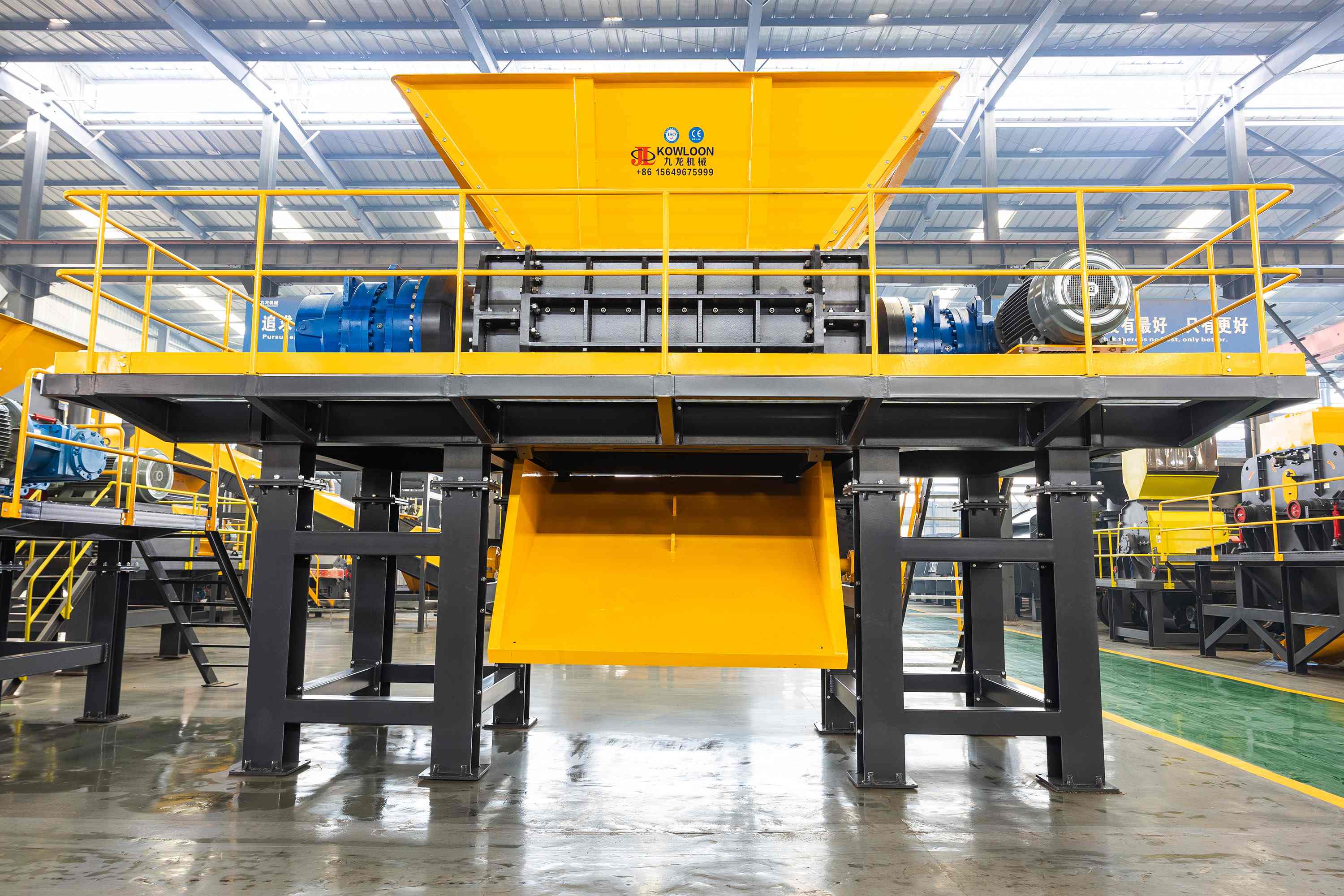

New Type Metal Crusher Transforms Scrap Metal Recycling Efficiency
2026-10-24
Scrap yards are drowning in bulky metal waste, and conventional crushers often choke on mixed loads. That changes with the new type metal crusher from Kowloon Machinery—a design that turns tangled scrap into uniform, high-density output in a single pass. In this post, we’ll look at what makes it different and why it could reset your yard’s throughput expectations.
What Changed Inside the Crushing Chamber
The interior geometry of the crushing chamber has been completely reworked, moving away from the previous uniform concave profile. Instead, a stepped and tapered arrangement now guides the material through distinct zones, each with a specific angle of attack. This creates a more aggressive nip at the top while allowing the crushed particles to accelerate and spread out lower down, reducing localized wear. The result is a chamber that no longer treats every rock the same way—finer feed gets a different trajectory than larger lumps, which means fewer blockages and a steadier throughput.
An overlooked detail is the recalibrated offset between the mantle and the bowl liner. The new eccentric throw isn't just larger; it's asymmetrical in a controlled way, producing a subtle wobble that breaks up bridging without shaking the whole frame. Combined with a revised feed distribution cone, material now enters the chamber in a more even curtain rather than piling on one side. This change may sound minor, but operators who ran the previous model will immediately notice the difference in how the machine settles into a rhythm instead of constantly hunting for balance.
Wear patterns have also dictated a shift in liner retention. Instead of relying on a few heavy backing bolts, the new design uses a series of interlocking ledges that allow the liners to flex microscopically under load. This prevents stress fractures from forming at the bolt holes and extends the time between liner rotations. The chamber is effectively a different animal now—quieter in its crushing action, more forgiving with contaminated feed, and far less likely to throw a surprise failure during a long shift.
Mixed Scrap Finally Moves Without Constant Jams
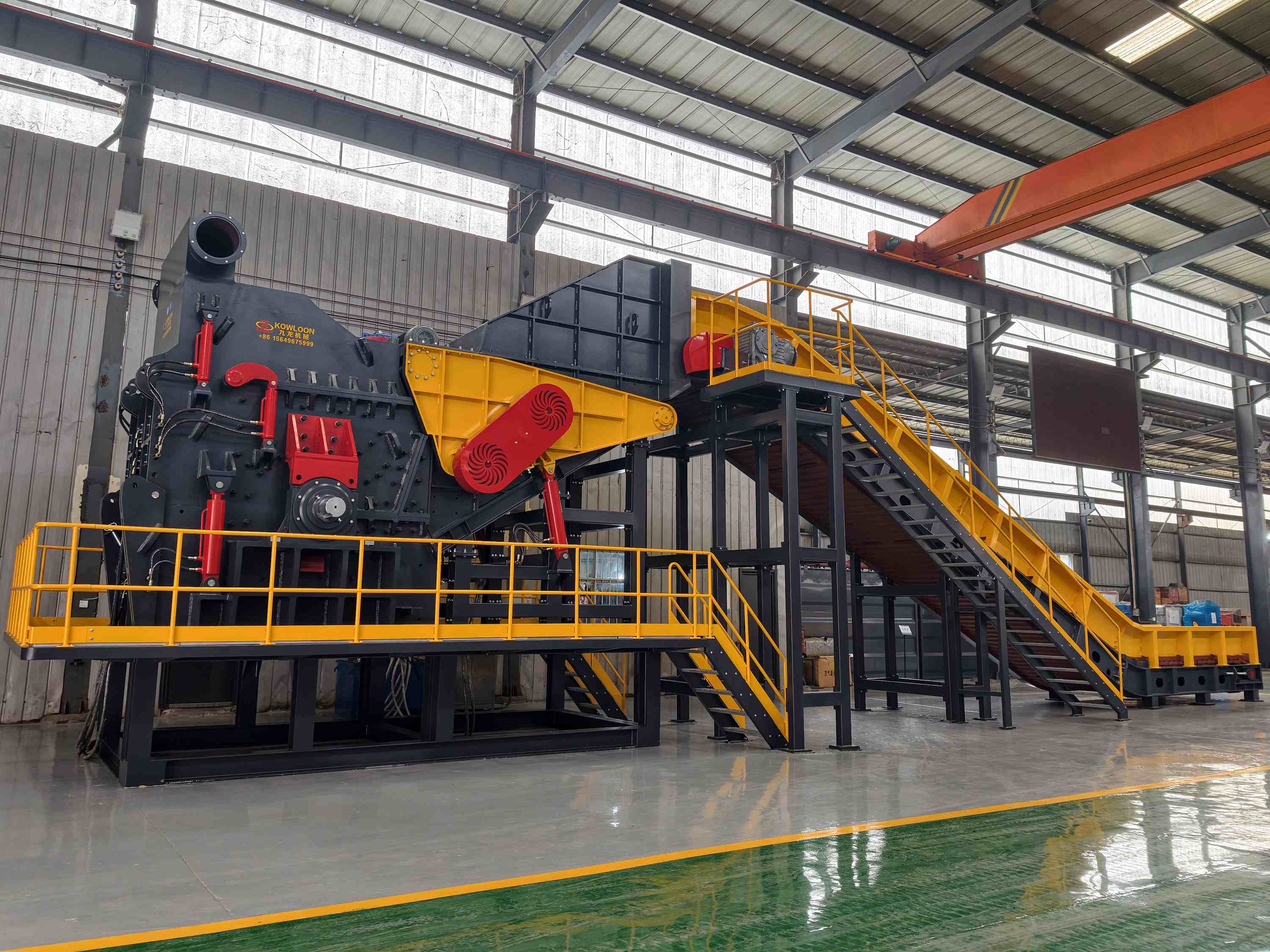
The mixed scrap stream used to seize up at the transfer chute every few hours, forcing operators to stop the line and pry out tangled bundles by hand.
After reshaping the chute throat and staggering the feeder flights, the scrap now settles into a smoother, more even flow instead of piling into clumps.
That one change cut unplanned downtime noticeably, and the crew no longer keeps a pry bar within arm's reach of the hopper.
Lower Energy Bills With Higher Volume Output
Running production lines at higher capacities doesn't just boost output—it spreads fixed energy costs across more units. The lights, climate control, and baseline machinery draw stay relatively constant whether you produce a thousand parts or ten thousand. Pushing volume upward means that constant overhead becomes a smaller fraction of each item's cost, which shows up directly as a lower per-unit energy expense on your monthly bill.
There's also a mechanical advantage: many industrial systems hit peak efficiency only when operating near their designed throughput. A compressor cycling at half load wastes energy through frequent starts and stops. Running it closer to full capacity keeps the motor in its optimal band, reduces wasted heat, and shortens the total runtime needed for a given batch. The result is less total kilowatt-hours consumed per finished product.
To capture these savings, it's worth auditing the relationship between batch size and energy metering. Often the fix is as simple as batching smaller orders into longer continuous runs or scheduling high-volume products during off-peak rate windows. Small adjustments to production planning can turn a marginal increase in output into a noticeable drop in monthly energy costs.
Wear Parts That Outlast the Old Maintenance Schedule
The old way of thinking said a part's lifespan was fixed by a printed chart on the shop wall. Field data from mixed-duty fleets keeps proving otherwise. Operators who track actual wear patterns—not just calendar days—are replacing bushings, cutting edges, and liners only when they've truly reached their limit. That simple shift cuts waste and keeps machines earning instead of sitting idle for unnecessary service.
Material choice matters more than most realize. A standard carbon steel edge might last 400 hours in abrasive sand, while a hardened alloy or ceramic-embedded option runs past 1,200 hours in the same conditions. The upfront cost difference is real, but so is the downtime saved. Smart buyers compare cost per hour, not just the price tag on the box.
Storage and handling quietly extend service life too. Parts piled in mud or left exposed to rain corrode before they're ever installed. Keeping wear components dry, off the ground, and rotated so older stock gets used first prevents premature failure. It's not glamorous, but it's the kind of practical habit that turns a good maintenance budget into a great one.
One Yard’s Numbers After Swapping Crushers
When the yard swapped the old horizontal impactor for a rebuilt cone, the first thing that changed was the daily tonnage. In the six weeks before the switch, the crew was moving 1,150 tons a day on average. After the new crusher settled in, that number climbed to 1,430 tons, with a couple of Fridays hitting 1,600 without adding extra hours.
Downtime was where the real difference showed up. The old machine had a habit of throwing belts and plugging on wet feed, costing the yard roughly 11 hours of lost production each month. The replacement cut that to under 3 hours, and most of those stops were planned liner rotations rather than surprise breakdowns.
Fuel use per ton also dropped from 0.38 gallons to 0.29 gallons, and the share of oversize material that had to be re-run fell by roughly 40 percent. That meant fewer loader passes, less wear on the screen deck, and a steadier stream of spec product heading out the gate.
Less Dust, More Recovered Metal Per Ton
Metal recovery lines often treat airborne fines as a nuisance to be collected and discarded. That approach quietly erodes yield, because the dust escaping from shredders, granulators, and eddy current separators carries a measurable share of recoverable metal. By improving capture at the point of generation and routing the collected fines back into the separation circuit, the same input stream can consistently yield more metal per ton. It is not about running equipment harder; it is about keeping the metal inside the process instead of letting it drift into baghouse waste.
The practical shift typically starts with tighter enclosures around high-impact zones and smarter air handling that separates heavy metal particles from lighter nonmetallic dust. Operators who retrofit existing lines with low-turbulence hoods, adjustable airflow, and short-run ducting tend to see lower visible dust in the work area and higher metal weights at the outfeed. Small changes in capture velocity and filtration sequencing can turn a dust problem into a secondary metal stream that pays for itself over a few months of steady operation.
FAQ
It uses a staggered blade arrangement that chews through mixed scrap without jamming, and the feed throat is wider so you can drop in bulky items without pre-cutting.
In field tests, yards reported processing up to 40 percent more scrap per hour, mainly because the crusher handles contaminated loads without slowing down.
Yes, the crusher switches between high-torque and high-speed modes automatically, so it can crush aluminum, copper, steel, and even brittle cast iron without changing screens.
The motor uses a load-sensing drive that ramps down when the chamber is empty, cutting idle energy use by around a third compared to fixed-speed crushers.
It has a dual-interlock hydraulic lid that won't open until the rotor fully stops, and the control panel requires a two-hand start sequence, which helps prevent accidental starts.
Yes, it comes with modular mounting brackets and variable-height discharge, so it can bolt onto most standard conveyors without custom fabrication.
The rotor bearings are sealed and self-lubricating, and the blades can be flipped four times before replacement, which stretches maintenance intervals to around 800 hours.
It produces more uniform, dense chunks rather than long stringy pieces, so downstream sorting and melting operations get a consistent feed that reduces slag and improves yield.
Conclusion
The new crusher design reworks the crushing chamber itself, not just the exterior. The rotor angle and anvil spacing now let mixed scrap feed through in a continuous stream—thin sheet, cast chunks, and tangled wire no longer lock together and stall the machine. That change alone has cut the constant jam-clearing that used to eat up hours every week. With the feed moving smoothly, the motor is not fighting sudden blockages, so energy use per ton drops while hourly volume climbs. Operators can keep the hopper loaded and the discharge flowing without standing by with pry bars.
The same redesign extends to wear parts. Hammers and liners last noticeably longer because they are no longer taking shock loads from repeated stalls. One yard that replaced an older unit recorded higher daily throughput, lower power bills, and a cleaner work area—dust stays inside the enclosure instead of drifting across the site. Recovered metal per ton also went up, since the new chamber separates metal from dirt and plastic more cleanly on the first pass. It is a shift that changes the daily reality for a scrap operation, not just the spec sheet.
Contact Us
Contact Person: Ray
Email: [email protected]
Tel/WhatsApp: +86 13733817580
Website: https://www.zzkowloon.com/