

Optimized Powder Storage Silo Solutions for Industrial Efficiency
2026-04-05
In today's fast-paced industrial landscape, efficiency isn't just a goal—it's a necessity. The storage and handling of powdered materials can often be a hidden bottleneck, costing time, resources, and profits. But what if there were smarter, more streamlined solutions? At Fanchang Machinery, we specialize in engineered powder storage silo systems designed not just to meet demands but to revolutionize operational workflows. This blog explores how optimizing your silo infrastructure can dramatically enhance productivity, reduce waste, and unlock new levels of industrial performance. Dive in to discover the pivotal role of advanced silo solutions in driving sustainable efficiency—and how our expertise can make it a reality for your operations.
Innovative Design Approaches for Enhancing Silo Efficiency in Powder Storage
Enhancing silo efficiency in powder storage often hinges on integrating geometric innovations with functional adaptability. For instance, the incorporation of asymmetrical hopper designs can significantly reduce material bridging and rat-holing, common issues in traditional cylindrical silos. By employing computational fluid dynamics simulations, engineers can model powder flow patterns, allowing for customization of angles and surfaces that promote consistent discharge. This approach not only minimizes downtime for cleaning but also optimizes space utilization, making it a practical upgrade for industries handling fine or cohesive powders.
Another effective strategy involves the use of advanced liner materials and surface treatments to combat wear and corrosion, which frequently undermine storage efficiency. Materials such as ultra-high-molecular-weight polyethylene or specially treated steel can be applied to interior surfaces to reduce friction and prevent material adhesion. Coupled with vibration or aeration systems, these liners help maintain a smooth flow, reducing energy consumption and extending the lifespan of the silo. Such innovations are particularly valuable in harsh environments where powders are prone to clumping or degradation.
To push efficiency further, smart monitoring systems can be integrated into silo designs, providing real-time data on factors like fill levels, pressure, and temperature. By using IoT sensors and predictive analytics, operators can preemptively address potential blockages or imbalances, ensuring uninterrupted operations. This holistic approach combines structural, material, and technological elements to create a resilient storage solution that adapts to varied powder characteristics, ultimately leading to cost savings and improved productivity in industrial settings.
Key Technologies Driving Performance Improvements in Industrial Powder Handling
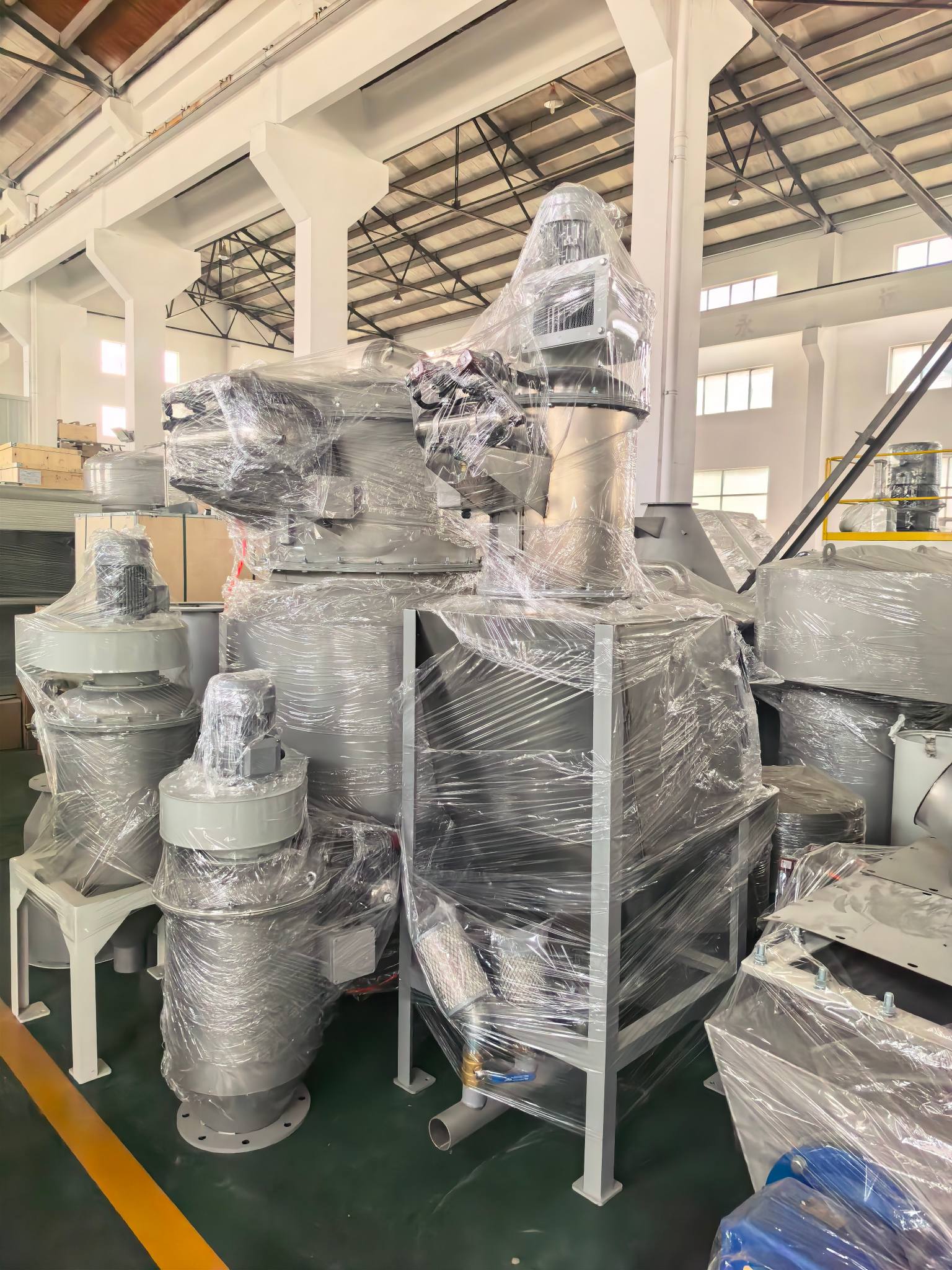
In the realm of industrial powder handling, advancements in sensor technology are revolutionizing efficiency and precision. High-resolution cameras and laser-based systems now enable real-time monitoring of particle size, flow behavior, and moisture content, minimizing waste and enhancing batch consistency. These tools empower operators to make data-driven decisions, ensuring optimal performance in diverse sectors from pharmaceuticals to food processing.
Automation and robotics are playing a crucial role in streamlining powder handling operations. With sophisticated robotic arms and conveyor systems, tasks like batching, mixing, and packaging are executed with minimal human intervention, reducing contamination risks and labor costs. This shift not only boosts throughput but also enhances worker safety by limiting exposure to hazardous materials.
Additionally, innovations in containment technology, such as flexible isolators and air-tight transfer systems, are addressing challenges like dust explosions and cross-contamination. By integrating these solutions with smart control systems, industries can achieve higher levels of reliability and compliance, driving overall productivity to new heights.
Customizable Solutions Tailored to Diverse Manufacturing Environments
In today's competitive manufacturing landscape, one-size-fits-all approaches often fall short when dealing with varied production setups, from small-scale workshops to large automated plants. Our customizable solutions are crafted to adapt seamlessly to your specific environment, ensuring that every tool, process, and integration aligns with your unique operational needs.
Rather than relying on rigid frameworks, we collaborate closely with your team to identify bottlenecks and opportunities, delivering flexible systems that evolve with changing demands. This hands-on approach not only boosts efficiency but also empowers workers by providing tailored interfaces and workflows that feel intuitive and supportive.
By focusing on customization, we help businesses across industries—from automotive to electronics—achieve greater precision and scalability. Our solutions are designed to integrate with existing machinery and software, minimizing disruption while maximizing output, so you can stay agile in a dynamic market.
Integrating Advanced Features for Real-Time Monitoring and Control
In today's fast-paced industrial environments, integrating advanced features for real-time monitoring and control isn't just an upgrade—it's a strategic game-changer. Imagine a manufacturing floor where sensors and IoT devices continuously feed data into a centralized dashboard, allowing managers to spot inefficiencies or potential failures before they escalate into costly downtime. This proactive approach leverages machine learning algorithms and edge computing to process information on-the-fly, providing actionable insights that enable precise adjustments to production lines, energy consumption, or safety protocols. By seamlessly blending these technologies, organizations can achieve a level of agility that transforms operations from reactive firefighting into a smoothly orchestrated symphony of efficiency.
What sets this integration apart is its ability to go beyond basic data collection and visualization. It incorporates predictive analytics and automation tools that learn from historical patterns, adapting control systems in real-time to optimize performance. For instance, in smart grids, such features can dynamically balance energy loads based on demand forecasts, preventing blackouts while reducing environmental impact. This isn't about static reports; it's about creating a living ecosystem where every component communicates and responds instantaneously, empowering operators with the foresight to make informed decisions without manual intervention. The result? Enhanced reliability, reduced operational risks, and a tangible boost in productivity that keeps businesses ahead of the curve.
Ultimately, the value of these advanced integrations lies in their customization and scalability. Each industry—whether it's healthcare, logistics, or agriculture—can tailor monitoring and control features to address unique challenges, fostering innovation and competitive edge. By embracing a holistic approach that combines robust hardware with intelligent software, companies aren't just keeping up with trends; they're setting new standards for responsiveness and control in an interconnected world.
Best Practices for Maintenance and Long-Term Reliability of Storage Systems
When managing storage infrastructure, focusing on routine checks and performance monitoring can significantly extend system lifespan. Unlike basic maintenance, a tailored approach involves analyzing usage patterns to predict potential failures before they disrupt operations. For instance, tracking input/output operations per second (IOPS) and latency trends helps identify bottlenecks early, allowing adjustments to storage configurations or workload distributions. Regular firmware updates from vendors, paired with testing in isolated environments, ensure compatibility and security without risking production data.
Integrating redundancy and data protection strategies goes beyond simple backups to enhance long-term reliability. Employing redundant array of independent disks (RAID) configurations or erasure coding can safeguard against hardware failures, while implementing automated snapshot or replication processes minimizes data loss in emergencies. It’s crucial to periodically test recovery procedures—such as restoring from backups or failovers—to verify their effectiveness under real-world conditions. This proactive stance not only prevents downtime but also builds confidence in the system’s resilience against unforeseen events.
Environmental factors and resource management often receive less attention but are pivotal for sustained reliability. Ensuring adequate cooling and power stability in data centers prevents overheating and power surges that degrade storage components over time. Additionally, implementing tiered storage solutions—where frequently accessed data resides on faster media like SSDs, while archival data moves to cost-effective options—optimizes performance and reduces wear. Regular audits of storage capacity and usage trends enable timely expansions or reallocations, avoiding performance bottlenecks and ensuring the system scales efficiently as needs evolve.
Economic Benefits and Sustainability Gains from Optimized Powder Management
Streamlining powder handling processes can dramatically cut operational expenses by reducing waste, minimizing downtime, and lowering energy consumption. Companies that implement advanced powder management systems often see a quick return on investment through improved material yield and faster production cycles, leading to enhanced profitability and competitiveness.
Beyond financial gains, optimized powder management plays a key role in boosting sustainability. By curbing material spillage and overuse, it reduces the environmental footprint, helping industries meet regulatory standards and corporate sustainability goals. This approach supports a circular economy by ensuring resources are used efficiently and responsibly.
Integrating smart automation and real-time monitoring into powder management not only fine-tunes operations but also fosters innovation. This adaptability allows businesses to respond swiftly to market changes, ensuring long-term resilience and growth while maintaining a strong commitment to environmental stewardship.
FAQ
Key factors include material flow characteristics, silo geometry, discharge systems, environmental conditions, and compliance with safety regulations to ensure efficient handling and storage.
By minimizing material degradation, reducing energy consumption, improving discharge rates, and lowering maintenance needs, they streamline processes and cut expenses over time.
Recent innovations include advanced aeration systems, real-time monitoring sensors, and modular designs that adapt to varying material properties and production demands.
Common challenges like bridging, segregation, or moisture buildup are addressed through tailored silo designs, such as conical hoppers or fluidized beds, coupled with regular maintenance.
They reduce downtime, ensure consistent material supply, and enhance process control, leading to smoother operations and higher output in powder-handling industries.
Yes, solutions can be customized based on capacity, material type, and site-specific requirements, with options for coatings, insulation, or automation integration.
Safety features like pressure relief valves and explosion venting are crucial, along with adherence to standards like ATEX or OSHA to prevent hazards and ensure worker protection.
By analyzing factors like reduced waste, energy savings, and increased throughput, businesses can calculate payback periods and long-term benefits to justify investments.
Conclusion
Optimized powder storage silo solutions are revolutionizing industrial efficiency through innovative design approaches that enhance material flow and minimize waste. By integrating key technologies such as advanced aeration systems and precise discharge mechanisms, these solutions drive significant performance improvements in powder handling. Customizable designs allow for seamless adaptation to diverse manufacturing environments, ensuring that each system meets specific operational needs while maintaining high standards of reliability and efficiency.
The integration of real-time monitoring and control features enables proactive management, reducing downtime and optimizing processes. Coupled with best practices for maintenance, these systems ensure long-term durability and consistent performance. Ultimately, optimized powder management yields substantial economic benefits and sustainability gains, including reduced energy consumption, lower operational costs, and minimized environmental impact, making it a critical investment for modern industries seeking to enhance productivity and competitiveness.
Contact Us
Contact Person: Darye WANG
Email: [email protected]
Tel/WhatsApp: 86-13501017897
Website: https://www.fcntd.com/