
Polyether Polyol: The Essential Guide to Top-Quality Performance
2026-03-15
Imagine a world where flexible foam could revolutionize not just comfort, but performance across industries. That's the power of polyether polyol—a versatile polymer backbone driving innovation from automotive interiors to high-resilience mattresses. Yet, not all polyols are created equal. In this essential guide, we'll uncover what sets top-quality polyether polyol apart and why it matters for your next project. Dive in as we explore key properties, applications, and performance benchmarks, backed by insights from industry leaders like POLYKEM. Whether you're an engineer, formulator, or curious innovator, this guide promises to equip you with knowledge that goes beyond the basics, sparking ideas for your own breakthroughs. Let's begin.
Exploring the Fundamentals of Polyether Polyol Chemistry
Polyether polyol chemistry serves as a fascinating cornerstone in polymer science, where its principles revolve around the synthesis of versatile compounds through alkylene oxide polymerization. This process typically initiates with a starter molecule containing active hydrogens—such as glycols, glycerin, or amines—which then undergo reaction with ethylene oxide, propylene oxide, or their blends. The resulting polyethers feature flexible ether linkages that impart unique properties like low viscosity and hydrophilicity, making them indispensable in applications ranging from flexible foams to industrial coatings. Understanding these synthesis pathways not only highlights polyols' adaptability but also underscores their role in tailoring material performance across diverse industries.
Delving deeper, the reaction kinetics and catalysis mechanisms in polyether polyol formation reveal subtle complexities that influence final product characteristics. For instance, the choice of catalyst—often alkaline or metal-based—can steer molecular weight distribution and side reactions, thereby affecting properties such as hydroxyl number and reactivity. This interplay between catalyst type and oxide feed rates is critical for achieving polyols with specific architectures, like block or random copolymers, which are engineered to meet rigorous demands in adhesives or elastomers. Such nuances illustrate how mastering fundamental chemistry allows chemists to innovate beyond standard formulations, pushing the boundaries of polyol functionality.
Beyond synthesis, the intrinsic molecular structure of polyether polyols—characterized by their ether groups and terminal hydroxyls—directly governs their behavior in downstream applications. These hydroxyl groups act as reactive sites for cross-linking in polyurethane systems, while the polyether backbone contributes to elasticity and thermal stability. Exploring these structural aspects opens avenues for enhancing performance, such as through functionalized polyols or modifications that improve compatibility with other materials. This foundational knowledge not only enriches technical understanding but also drives advancements in sustainable and high-performance materials, showcasing polyether polyols' enduring relevance in modern chemistry.
Key Production Techniques for High-Performance Polyols
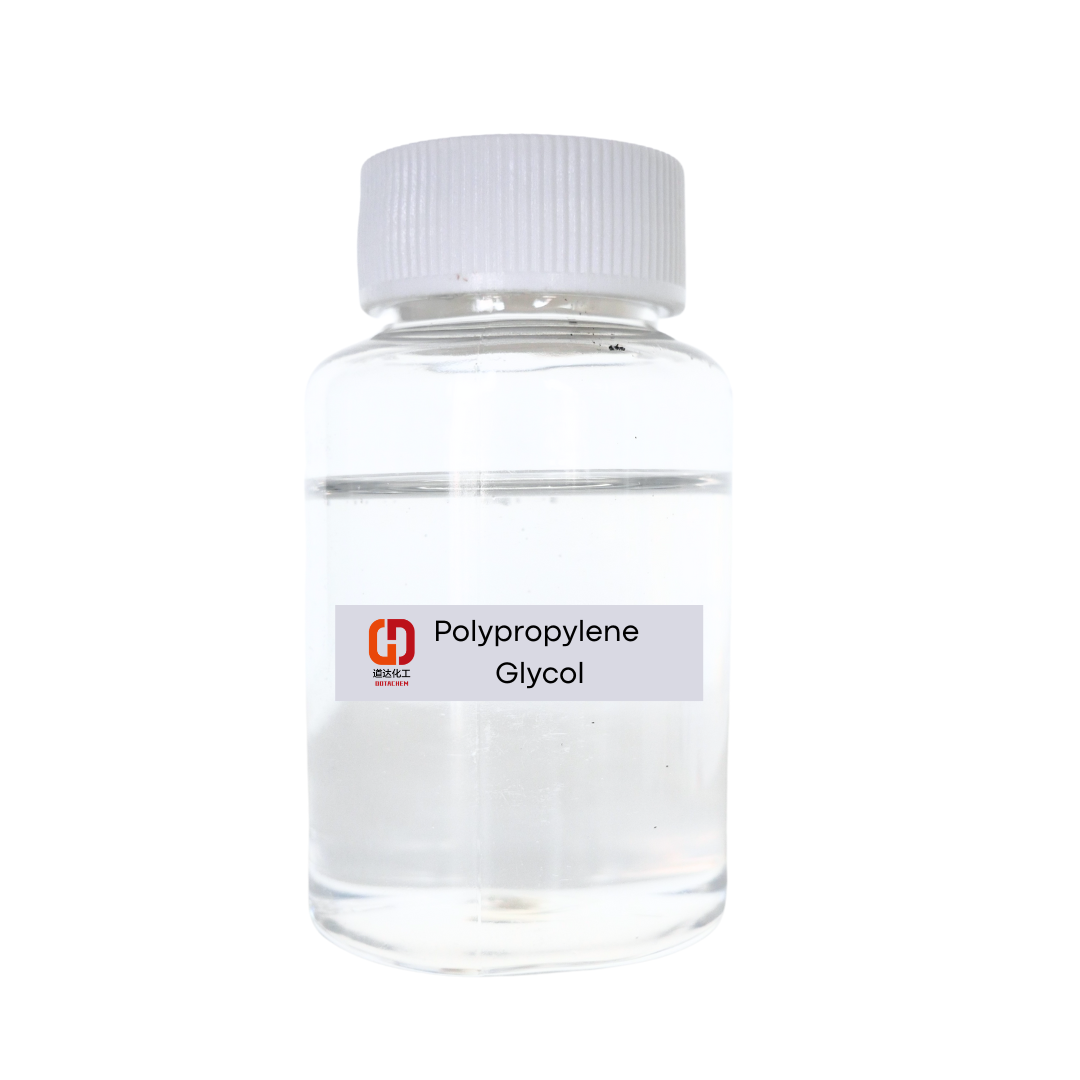
High-performance polyols, the backbone of many advanced polyurethane applications, are crafted through a blend of precise chemical synthesis and innovative process engineering. Unlike standard polyols, these materials demand rigorous control over molecular weight distribution and hydroxyl functionality to achieve tailored properties such as enhanced durability, thermal stability, and flexibility. Producers often leverage techniques like advanced catalysis and controlled polymerization under specific temperature and pressure conditions, ensuring optimal reaction kinetics and minimal by-products. This meticulous approach not only boosts performance in end-products like automotive foams or durable coatings but also aligns with sustainability goals by improving material efficiency and reducing waste.
A critical aspect in producing these polyols lies in the selection and modification of raw materials. For instance, by incorporating bio-based feedstocks or specialty initiators, manufacturers can fine-tune the polyol's architecture, resulting in materials with superior hydrolytic stability or flame retardancy. Techniques such as chain extension or cross-linking during synthesis add another layer of customization, enabling the creation of polyols that meet stringent industry standards for applications ranging from aerospace composites to high-end footwear. This flexibility in formulation allows for rapid adaptation to emerging market demands, setting high-performance variants apart from their conventional counterparts.
In practical terms, the production environment itself plays a pivotal role; state-of-the-art reactors equipped with real-time monitoring systems ensure consistent quality across batches. Innovations like continuous flow processes or modular synthesis units further enhance scalability and repeatability, key factors for industries requiring large volumes of reliable, high-performance polyols. By integrating these advanced techniques, producers not only deliver materials that push the boundaries of polyurethane technology but also foster a competitive edge through tailored solutions that address specific customer challenges, from improved energy absorption in seat cushions to longer-lasting insulation in building materials.
Enhancing Foam Properties Through Advanced Formulations
In the ever-evolving landscape of materials science, the pursuit of superior foam properties has led to innovative approaches in formulation. By integrating novel polymeric blends with tailored cross-linking agents, researchers are able to fine-tune cellular structures, resulting in foams that exhibit remarkable durability and flexibility under stress. This advancement not only improves mechanical performance but also opens doors to applications in sectors like aerospace and automotive, where lightweight yet robust materials are in high demand.
One standout technique involves the strategic incorporation of nanomaterials, such as graphene or silica nanoparticles, into foam matrices. These additives enhance thermal stability and reduce flammability, providing a significant edge in safety-critical environments. Moreover, by adjusting processing parameters like temperature and pressure during foaming, manufacturers can achieve a consistent pore distribution, which directly impacts insulation efficiency and acoustic damping capabilities, setting these advanced foams apart in the competitive market.
Looking ahead, ongoing research focuses on bio-based formulations that leverage sustainable resources, reducing environmental impact without compromising performance. Through careful selection of renewable polymers and eco-friendly blowing agents, next-generation foams are poised to meet stringent regulatory standards while offering unique properties like enhanced biodegradability. This holistic approach not only elevates foam technology but also aligns with global sustainability goals, driving innovation in both industrial and consumer applications.
Applications of Polyether Polyol in Modern Industries
Let’s dive right in: polyether polyol isn’t just another chemical compound; it’s a workhorse quietly transforming everyday products and high-tech applications. In the world of flexible foams, you’ll find it in comfortable mattresses, cozy sofa cushions, and ergonomic car seats—thanks to its knack for creating lightweight, resilient structures that bounce back after use. But it doesn’t stop there. Over in the rigid foam sector, this material plays a crucial role in insulation for buildings and refrigerators, helping slash energy bills by trapping heat or cold with impressive efficiency. It’s like having an unsung hero in your home, making life more comfortable and sustainable without fanfare.
Beyond the basics, polyether polyol gets really interesting in niche industries. Take adhesives and sealants, for example: it’s the secret behind flexible yet durable bonds in everything from construction joints to automotive panels, ensuring things stick together through bumps and weather changes. In coatings and elastomers, it adds a layer of toughness and flexibility—imagine raincoats that stay waterproof yet move with you, or industrial flooring that resists cracks under heavy machinery. What sets this apart is its adaptability; manufacturers tweak its properties to meet specific needs, whether that’s improving fire resistance in public transport interiors or enhancing comfort in medical prosthetics, all without a one-size-fits-all approach.
Looking forward, innovation with polyether polyol is hitting new strides in green tech and advanced materials. In sustainable packaging, it’s being tailored to create biodegradable foams that cushion electronics or perishables, reducing plastic waste without sacrificing protection. The medical field taps into its biocompatible forms for items like wound dressings or implant coatings, where safety and flexibility are non-negotiable. And in emerging sectors like 3D printing and electronics, custom formulations enable precise, durable parts or flexible circuit boards. This versatility isn’t just about keeping up—it’s about driving progress, making products smarter, safer, and kinder to the planet, all while staying out of the spotlight.
Sustainability and Environmental Impact Considerations
When we think about sustainability, it's not just a checklist of eco-friendly practices—it's a mindset that shapes how we interact with the world around us. It involves carefully weighing the long-term consequences of our actions, from resource consumption to waste generation, and seeking out innovative ways to minimize harm. This approach challenges us to move beyond short-term gains and consider the broader health of ecosystems and communities.
One of the key aspects here is addressing environmental impact, which encompasses everything from greenhouse gas emissions and water usage to biodiversity loss. By integrating these considerations into decision-making processes, we can develop products and services that not only meet current needs but also safeguard future generations. It's about creating systems that are resilient and adaptable, reducing our carbon footprint while promoting social equity and economic stability.
Ultimately, embedding sustainability and environmental impact considerations into our framework leads to more responsible and forward-thinking outcomes. It encourages collaboration across industries, fostering a culture of continuous improvement and accountability. Through thoughtful design and proactive measures, we can contribute to a healthier planet and a more sustainable legacy for all.
Future Trends and Innovations in Polyether Polyol Development
In the coming years, polyether polyol development is set to pivot toward more sustainable and high-performance materials, driven by increasing environmental regulations and consumer demand. Innovations are focusing on bio-based feedstocks, such as vegetable oils and waste-derived sources, which reduce reliance on fossil fuels and lower carbon footprints. Researchers are also enhancing polyol structures to improve properties like flame retardancy, mechanical strength, and thermal stability, enabling broader applications in industries like automotive, construction, and electronics.
Another key trend involves the integration of smart and functional polyols that respond to external stimuli, such as temperature or pH changes. These advanced materials can self-heal or adapt their properties in real-time, offering new possibilities for durable and versatile polyurethane products. Additionally, developments in catalysis and polymerization techniques are streamlining production processes, making them more efficient and cost-effective while minimizing waste and energy consumption.
Emerging technologies like digitalization and AI are further reshaping the landscape by optimizing formulation design and quality control. Through machine learning algorithms, manufacturers can predict polyol performance and tailor compositions for specific end-uses, accelerating innovation cycles. As these trends converge, the polyether polyol sector is poised to deliver more eco-friendly, customizable, and high-value solutions, pushing the boundaries of what polyurethanes can achieve in a rapidly evolving market.
FAQ
Polyether polyol is a base chemical used in polyurethane production, known for its flexibility and durability. Key applications include foam for mattresses and furniture, insulation panels, adhesives, and elastomers for automotive parts.
It enhances foam properties by providing low viscosity for easy processing, good resilience for comfort, and excellent thermal insulation. This makes it ideal for high-quality bedding and energy-efficient building materials.
Quality depends on catalyst selection, molecular weight control, and purification methods. Consistency in hydroxyl number and absence of impurities ensure optimal performance in end products.
Polyether polyols are generally more cost-effective and offer better hydrolysis resistance, making them suitable for humid environments. Polyester polyols may excel in mechanical strength but are pricier and less moisture-resistant.
Modern polyether polyols are often derived from renewable resources or designed for recyclability. Manufacturers focus on reducing VOC emissions and improving biodegradability to meet sustainability goals.
Partnering with certified suppliers, monitoring raw material trends, and implementing just-in-time inventory systems help maintain quality while minimizing costs and delays.
Advances include bio-based polyols from plant oils, smart foams with adaptive properties, and enhanced fire-retardant formulations to meet stricter safety regulations.
Wear protective gear like gloves and goggles, ensure proper ventilation to avoid inhalation, and follow storage guidelines to prevent contamination or degradation of the material.
Conclusion
This guide comprehensively explores polyether polyol's fundamental chemistry, focusing on its molecular structure and reactivity, which are crucial for achieving high-performance materials. Advanced production techniques, such as controlled polymerization and catalyst optimization, directly influence polyol quality and consistency. By integrating these methods with innovative formulations, manufacturers can significantly enhance foam properties, including durability, flexibility, and thermal insulation. These improvements support key industries like automotive, construction, and consumer goods, where polyether polyol's versatility enables lightweight, efficient solutions. As environmental concerns grow, sustainability considerations, such as biodegradable additives and energy-efficient processes, are becoming integral to development, addressing impacts and aligning with global regulations for a greener future.
Looking ahead, emerging trends in polyether polyol development emphasize smarter, eco-friendly innovations, including bio-based raw materials and recycling techniques. Researchers are advancing formulations that boost performance while reducing reliance on petrochemicals, paving the way for applications in new sectors like electronics and medical devices. This evolution underscores polyether polyol's role as a dynamic, essential material, driving progress toward sustainable, high-quality outcomes. By blending fundamental insights with cutting-edge approaches, this guide highlights how continuous innovation ensures polyether polyol remains at the forefront of industrial advancements, meeting modern demands for both performance and environmental responsibility.
Contact Us
Contact Person: Levi
Email: [email protected]
Tel/WhatsApp: +86 532 84688720
Website: https://www.polykem-intl.com