
Polyethylene Glycol: Unlocking the Best Formulas for Superior Performance
2026-03-03
In the world of industrial polymers, polyethylene glycol stands as a versatile workhorse—yet its true potential often remains untapped. From pharmaceuticals to personal care and beyond, the right formulation can transform performance, efficiency, and sustainability. At POLYKEM, we’re passionate about unlocking these possibilities. In this blog, we’ll dive into the science, strategies, and innovations that define superior polyethylene glycol applications. Whether you’re refining a product or exploring new frontiers, join us to discover how the best formulas drive real-world results. Let’s get started.
Essential Properties of Polyethylene Glycol
In the vast world of synthetic polymers, polyethylene glycol (PEG) stands out for its exceptional versatility and biocompatibility, making it a cornerstone in numerous industries. One of its key properties is its water solubility, which stems from the ethylene oxide units that form hydrophilic chains. This characteristic allows PEG to dissolve readily in aqueous solutions, enabling its use as a solvent, humectant, or stabilizer in pharmaceuticals and cosmetics. Moreover, its molecular weight can be precisely controlled during synthesis, offering a range from low-viscosity liquids to waxy solids, each tailored for specific applications like drug delivery systems or lubricants.
Beyond solubility, PEG exhibits remarkable biocompatibility, which has driven its adoption in medical and biological fields. It's non-toxic and generally well-tolerated by the human body, even at high concentrations, making it ideal for use in laxatives, ointments, and as a coating for nanoparticles to enhance drug targeting. Its ability to modify surface properties through PEGylation, where PEG chains are attached to molecules or surfaces, reduces immune responses and increases circulation times in the bloodstream. This property is crucial in developing advanced therapeutics, such as PEGylated proteins that show improved efficacy and reduced side effects compared to their unmodified counterparts.
Another notable aspect is PEG's thermal and chemical stability, which ensures it maintains integrity under various conditions. It resists degradation from heat and many chemicals, allowing for long-term storage and use in harsh environments like industrial processes or laboratory settings. This stability, combined with its low volatility and non-flammability, makes PEG a safe choice for applications requiring reliability over time. From its role in enhancing the shelf life of products to facilitating innovative research, these essential properties collectively underscore why PEG remains a go-to material across diverse sectors, constantly evolving with new formulations and uses.
Key Applications in Pharmaceutical Formulations
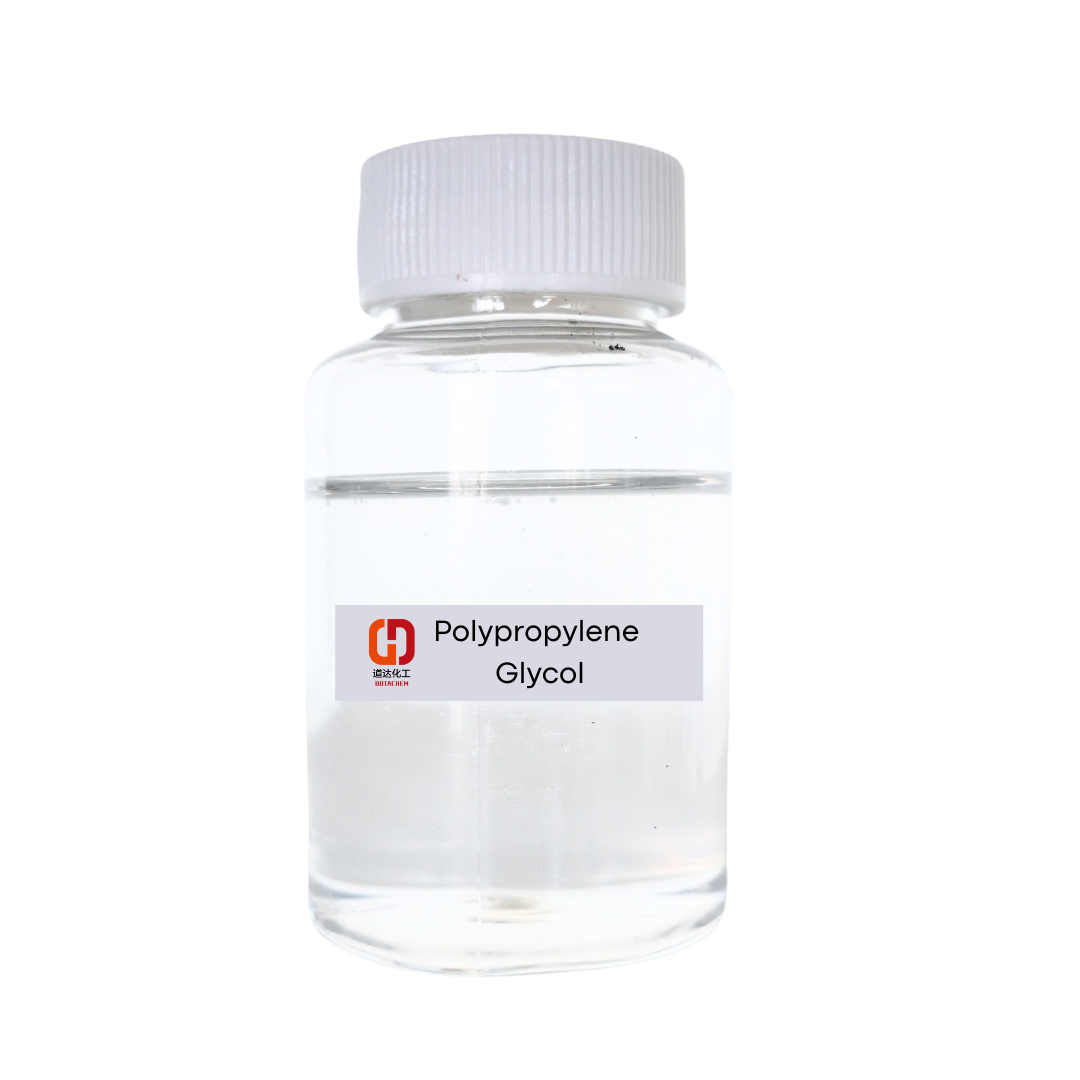
In the realm of modern medicine, pharmaceutical formulations serve as the backbone for delivering active compounds effectively to targeted sites within the body. From tablets and capsules to injectables and topical creams, each formulation is carefully engineered to optimize drug stability, bioavailability, and patient compliance, ensuring that therapeutic agents perform as intended across diverse medical conditions.
One standout application is in the development of controlled-release systems, which allow for sustained drug delivery over extended periods. This innovation reduces dosing frequency, minimizes side effects, and enhances treatment adherence, particularly in chronic illnesses like diabetes or hypertension. By tailoring polymer matrices or encapsulation techniques, researchers can fine-tune release profiles to match specific physiological needs.
Another critical area lies in personalized medicine, where formulations are customized based on individual genetic profiles or disease states. Advances in nanotechnology and 3D printing enable the creation of patient-specific dosage forms, improving efficacy and reducing adverse reactions. This shift towards precision formulation not only elevates therapeutic outcomes but also empowers healthcare providers to deliver more nuanced care in today's evolving pharmaceutical landscape.
Enhancing Product Stability and Efficacy
It's easy to overlook stability in the pursuit of groundbreaking formulas, but it's often the silent, consistent performers that earn customer loyalty over time. Too many products falter after a few uses or under varying conditions, leaving users frustrated and less likely to repurchase. We've shifted focus to build in resilience from the start, using advanced encapsulation techniques and moisture-resistant barriers that ensure each application delivers the same fresh, potent experience. This isn't about adding extra steps—it's about engineering reliability so that efficacy isn't just a promise on day one, but a guarantee throughout the product's life.
Efficacy shouldn't be a guessing game dependent on perfect storage or ideal humidity. By integrating natural stabilizers like vitamin E derivatives and plant-based antioxidants, we've created formulations that resist oxidation and degradation without relying on harsh preservatives. This means active ingredients remain at their peak potency longer, translating to visible results users can actually see and feel. It's a subtle yet crucial shift: instead of chasing fleeting trends, we're investing in durability that makes every drop count, turning occasional users into devoted advocates.
Beyond just preventing spoilage, enhancing stability directly boosts how well a product works under real-world conditions. Think of it as the unsung hero—when textures stay smooth, colors remain true, and scents linger as intended, the overall user experience becomes more trustworthy and enjoyable. We test our products rigorously in different climates and scenarios, fine-tuning them to perform reliably whether it's a humid summer day or a dry winter night. This attention to detail ensures that efficacy isn't compromised by external factors, making for a product that truly stands out in a crowded market.
Innovative Synthesis and Production Methods
Innovative synthesis and production methods are revolutionizing how materials and products are fabricated, pushing boundaries in efficiency and sustainability. Unlike traditional approaches, these modern techniques integrate cutting-edge technologies like additive manufacturing and continuous flow processes, enabling precise control over chemical reactions and material properties. For instance, 3D printing allows for the creation of complex structures layer by layer, reducing waste and opening up new possibilities in fields ranging from pharmaceuticals to aerospace, fostering a more agile and customized production landscape.
In the biochemical realm, methods such as synthetic biology and enzyme engineering are redefining synthesis pathways by harnessing cellular machinery for eco-friendly production. By manipulating microorganisms to produce desired compounds, these approaches minimize reliance on harsh chemicals and fossil fuels, aligning with green chemistry principles. This not only enhances the scalability of products like biofuels and specialty chemicals but also reduces environmental impact, showcasing how innovation can drive both economic growth and ecological responsibility in manufacturing.
Beyond technology, innovative production methods emphasize collaborative frameworks, such as open-source platforms and crowdsourced research, which accelerate discovery and implementation. By sharing data and tools across industries, companies can adapt more quickly to market demands and regulatory changes, fostering a culture of continuous improvement. These strategies complement technical advances, ensuring that synthesis practices remain dynamic and responsive, ultimately leading to more robust and versatile products that meet evolving global needs.
Customizable Solutions for Diverse Industries
In today's fast-paced business environment, companies across various sectors face unique challenges that require tailored approaches rather than one-size-fits-all solutions. Whether it's adapting to regulatory shifts in healthcare, optimizing supply chains for manufacturing, or personalizing customer experiences in retail, each industry demands specific strategies to thrive. By offering customizable solutions, we empower organizations to address their distinct needs, ensuring they can innovate and grow without being constrained by generic tools or outdated methods.
Our approach focuses on deep collaboration with clients, starting with a thorough analysis of their operational nuances and long-term goals. For instance, in the technology sector, we might develop scalable software platforms that integrate seamlessly with existing systems, while in agriculture, we could design data-driven tools to monitor crop health and improve yields. This flexibility allows businesses to adapt quickly to market changes, reduce inefficiencies, and enhance overall performance, all while maintaining a competitive edge in their respective fields.
Ultimately, the value of customizable solutions lies in their ability to transform industries by fostering resilience and innovation. By listening closely to client feedback and iterating on our offerings, we create partnerships that drive meaningful results, from boosting productivity in logistics to enhancing safety protocols in construction. This commitment to adaptability ensures that our solutions remain relevant and effective, helping diverse industries not just meet but exceed their evolving demands.
Future Trends and Performance Improvements
Looking ahead, the trajectory of performance enhancements points toward increasingly adaptive systems that learn from user interactions in real-time. Rather than relying solely on static optimizations, emerging approaches integrate machine learning models to dynamically adjust resource allocation and processing priorities based on actual usage patterns. This shift not only boosts efficiency but also makes technology feel more intuitive and responsive, as if it anticipates needs before they're fully articulated.
Another key trend involves the convergence of edge computing with core infrastructures, reducing latency by processing data closer to its source. This decentralization allows for faster data handling and improved reliability, especially in scenarios where split-second decisions are critical. By distributing computational tasks, systems can maintain high performance even under heavy loads, ensuring a seamless experience whether you're streaming content, collaborating remotely, or managing complex datasets.
Furthermore, advancements in quantum-inspired algorithms are beginning to influence classical computing, offering novel ways to tackle problems that were previously too resource-intensive. These techniques optimize everything from database queries to network routing, paving the way for breakthroughs in speed and scalability. As these innovations mature, they promise to redefine what's possible, making high-performance technology more accessible and sustainable across various industries.
FAQ
Polyethylene glycol's versatility arises from its water-solubility, low toxicity, and ability to modify viscosity, making it crucial in pharmaceuticals, cosmetics, and industrial applications.
Higher molecular weight PEGs provide thickening and stabilizing effects, ideal for lubricants, while lower weights excel as solvents or humectants in personal care products.
PEGylation improves drug solubility, extends circulation time, and reduces immunogenicity, enabling targeted therapies with fewer side effects in cancer and chronic disease treatments.
In cosmetics, PEG acts as a moisturizer, emulsifier, and penetration enhancer, helping products like lotions and shampoos retain moisture and improve texture without irritation.
While generally safe, PEG can cause allergic reactions in sensitive individuals, and its biodegradability varies with molecular weight, prompting eco-friendly alternatives in some sectors.
By blending different PEG grades and customizing concentrations, manufacturers balance properties like viscosity and stability to meet specific needs while controlling production costs.
Recent developments include bio-based PEG from renewable sources and smart PEG derivatives that respond to stimuli, enhancing efficiency in drug delivery and material science.
PEG serves as a plasticizer in polymers, a lubricant in machinery, and an anti-foaming agent in processes, boosting durability and operational smoothness across various industries.
Conclusion
Polyethylene glycol (PEG) serves as a versatile polymer with essential properties like water solubility, biocompatibility, and low toxicity, making it indispensable in modern formulations. By exploring innovative synthesis and production methods, researchers have developed customizable solutions that enhance product stability and efficacy across diverse industries, from pharmaceuticals to cosmetics. This adaptability ensures PEG meets specific performance requirements, unlocking superior formulas tailored to unique applications.
Looking ahead, future trends emphasize performance improvements through advanced modifications and sustainable production techniques. Key applications in pharmaceutical formulations, such as drug delivery systems and excipients, highlight PEG's role in boosting therapeutic outcomes. As industries evolve, PEG's versatility continues to drive breakthroughs, positioning it as a cornerstone material for achieving optimal results in a wide range of sectors.
Contact Us
Contact Person: Levi
Email: [email protected]
Tel/WhatsApp: +86 532 84688720
Website: https://www.polykem-intl.com