

Reefer Container Original Manufacturer: Your Guide to Quality and Reliability
2026-07-21
When shipping temperature-sensitive cargo, the difference between a flawless delivery and a costly loss often comes down to one factor: the reefer container's origin. Not all units are created equal—choosing an original manufacturer means investing in consistent innovation, strict quality controls, and long-term reliability. At Worldbase, we've spent decades redefining industry standards, engineering containers that perform flawlessly regardless of the climate. Whether you're moving fresh produce or life-saving pharmaceuticals, understanding what sets a genuine manufacturer apart is the first step toward safeguarding your supply chain.
Inside the Cold Chain: How Reefer Containers Start Their Journey
Every shipment of temperature-sensitive cargo begins long before the container is loaded. It starts with precise planning—selecting the right reefer unit, setting exact temperature and humidity parameters, and pre-cooling the box to ensure it’s ready to receive products like fresh produce, pharmaceuticals, or frozen seafood. This phase is often invisible but critical; a single degree off, and an entire load can spoil before it even leaves the port.
Once the container is positioned, the loading process becomes a choreography of speed and care. Goods are pre-conditioned to their ideal temperature, then quickly transferred into the reefer, often through airlocked docks to minimize ambient exposure. Sensors are placed strategically to monitor air flow, and the container’s cooling unit is checked to ensure it’s cycling properly. The journey has technically started, even if the container is still on the terminal—maintaining the cold chain from this point is non-negotiable.
As the sealed reefer is moved onto a truck or railcar, attention shifts to real-time monitoring. Telematics systems begin streaming data on temperature, location, and power status to shippers and receivers halfway around the world. Any deviation triggers immediate alerts, allowing intervention before cargo is compromised. This blend of logistics, technology, and strict protocols transforms a simple steel box into a lifeline for perishable goods, setting the stage for the entire cold chain adventure.
The Engineering DNA: What Separates Top-Tier Manufacturers
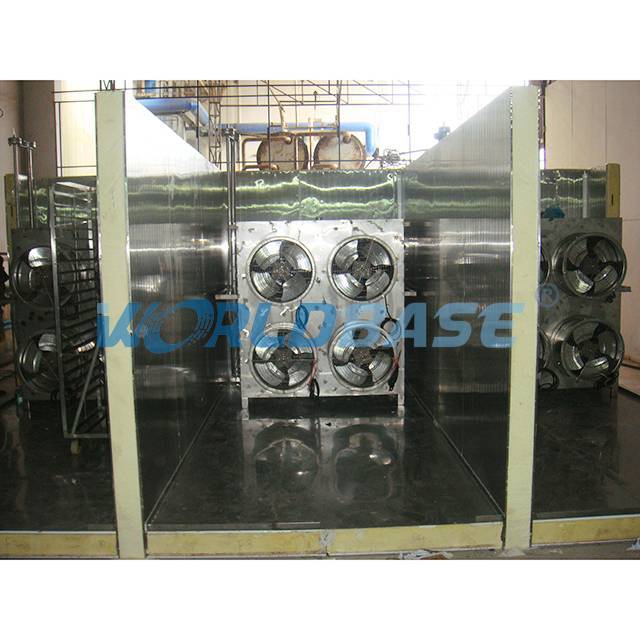
Top-tier manufacturers don't just follow engineering protocols—they think through material behavior as if it's second nature. Their DNA is built on decades of trial, error, and a collective memory of what works when the textbook answer falls short. You'll see it in how they choose a bearing alloy not just by spec sheets, but by knowing exactly how oxide layers form under a specific lubricant and load cycle. It’s a tactile, almost instinctive relationship with physics that no certification alone can teach.
This genetic difference shows up in the earliest sketches. While others build from nominal dimensions, elite teams design with tolerance stack-ups, thermal growth, and vibration nodes mapped out before any steel is cut. They don’t just check for strength—they obsess over how a part will age, how a surface finish will evolve, and how the assembly will feel after ten thousand hours. It's a forward-looking rigor that borders on clairvoyance.
Perhaps most telling is that this DNA isn't sprinkled in later—it's embedded through a culture of brutal post-mortems and intergenerational mentoring. When something fails on a test rig or in the field, the best outfits don't bury the report. They gather the whole team, strip the part down to its atoms, and trace the root cause back to a single assumption. That lesson then gets etched into design standards, war stories, and the gut checks of junior engineers. It’s how they keep getting smarter while the rest just keep getting by.
Beyond the Spec Sheet: Real-World Performance Metrics
Numbers on a page rarely tell the full story. A processor might boast impressive clock speeds, but how does it actually perform when you have a dozen browser tabs open, a video rendering in the background, and a conference call running simultaneously? In the real world, performance is felt, not just measured. The device needs to respond instantly when you need it, without hiccups or frustrating lags that disrupt your workflow and your day.
Battery life is another classic victim of the spec sheet illusion. Manufacturers love to quote hours of video playback, but genuine endurance depends on a multitude of factors—screen brightness, network conditions, the apps you use most. Some systems are brilliantly optimized to sip power during light tasks yet surge when you need raw performance. The real metric is whether you can forget your charger for a full day of meetings, emails, and on-the-fly edits.
Then there's the subjective, yet vital, matter of thermal management and noise. A thin-and-light machine that looks stellar online can become a lap-scorching, fan-blasting nuisance under actual load. Others stay whisper-quiet and cool, letting you focus on your work rather than the hardware itself. These are the qualities that separate a good device from a truly great daily companion, and they never appear on a simple list of technical specifications.
Built to Endure: Materials, Testing, and Long-Term Reliability
Every component in a critical system carries the silent weight of expectation—bridges, airframes, medical implants. They don’t get second chances. That’s why materials aren’t just chosen; they’re interrogated. From the grain structure of a titanium alloy to the polymer chains in a composite, nothing is taken at face value. We push samples into stress regimes that outpace real-world conditions, watching how cracks initiate and propagate, measuring creep under sustained heat, and recording the subtle signatures of fatigue long before failure becomes visible. It’s not about passing a test; it’s about truly understanding the limits.
Long-term reliability is a stubborn engineering puzzle. Corrosion, thermal cycling, vibration—these forces never rest, and neither does material degradation. Accelerated life testing gives us a lens into the future, but it’s the combination of fractography, microstructural analysis, and environmental exposure data that reveals the full story. We look for the early warnings: the dislocations moving inside a crystal lattice, the oxidation layer thickening nanometer by nanometer. Catching these whispers before they become failures is what separates a robust design from a catastrophic one.
But endurance isn’t just a laboratory metric. It’s shaped by manufacturing processes, quality control, and even the logistics of assembly. A perfectly formulated material can become a liability if a heat treatment drifts or a surface finish hides micro-pitting. That’s why traceability and consistency matter as much as the alloy’s tensile strength. In the end, reliability is a chain—from raw ore to finished product—and every link demands scrutiny. When lives or livelihoods depend on it, durability isn’t a feature; it’s a promise kept over decades of service.
Custom Solutions That Match Your Cargo’s Unique Needs
Every shipment tells a story, and no two are exactly alike. That’s why we move beyond generic logistics checklists to design transport plans that truly reflect the character of your freight—whether it’s temperature-sensitive pharmaceuticals, oversize machinery, or delicate electronics. Instead of forcing your cargo into a pre-set mold, we listen carefully to its specific demands, then tailor everything from packaging specs to route timing. The result is a service that feels less like a transaction and more like a hands-on collaboration built around your priorities.
Behind the scenes, our team combines real-world experience with flexible problem-solving. When a client needed to ship vintage automotive parts to a remote restoration workshop, standard options fell short—the components required climate-controlled storage and multi-stage handling. We devised a hybrid solution involving specialized crating, dedicated trucking, and a coordinated air-ground transfer that kept every piece intact and on schedule. That’s the kind of adaptive thinking we bring to every challenge, ensuring your freight is never forced into a one-size-fits-all formula.
We also recognize that your needs can shift unexpectedly. That’s why our custom solutions are built with agility in mind. Whether you scale up seasonally, reroute due to disruptions, or introduce a new product line, we quickly recalibrate the logistics without missing a beat. It’s about providing a service that evolves with you, backed by open communication and a genuine commitment to seeing your cargo arrive exactly the way it should—safe, on time, and stress-free.
Service, Support, and the Value of a True Partner
Real partnership goes far beyond answering calls or fixing what's broken. It’s grounded in a proactive mindset—anticipating challenges before they become emergencies and shaping solutions around your actual workflow. When service feels invisible because it just works, that’s when you know you’re with the right team. It’s not about scripts or ticket numbers; it’s about people who know your name, understand your goals, and bring fresh, pragmatic ideas to the table without being asked.
Support that truly matters doesn’t hide behind technicalities or shift blame when things get complex. A genuine partner stands shoulder to shoulder with you, diagnosing root causes rather than merely patching symptoms. They invest time in understanding your long-term objectives, so every recommendation and intervention aligns with where you’re headed, not just where you are today. This kind of trusted relationship turns support from a reactive cost center into a strategic advantage—one that fuels resilience, adaptability, and quiet confidence in every decision.
The value of a true partner is felt in moments of uncertainty—when priorities shift, timelines tighten, or unexpected obstacles emerge. It’s the steady presence that doesn’t overpromise but consistently overdelivers, bridging gaps you didn’t even know existed. This isn’t transactional; it’s relational, built on mutual respect and an unwavering commitment to your success. In a landscape crowded with vendors offering temporary fixes, a partner who shows up with honesty, depth, and genuine curiosity about your business is rare—and that rarity is exactly what defines extraordinary outcomes.
FAQ
An original manufacturer is the company that actually designs, engineers, and builds the reefer container from scratch, rather than just reselling or rebranding units made by someone else. They have full control over the production process, materials, and testing, which often leads to more consistent quality and direct accountability if something goes wrong.
It’s everything. High-grade stainless steel, advanced insulation foam, and corrosion-resistant coatings aren’t just fancy add-ons—they’re what keep your container running smoothly for years, especially under harsh sea conditions. Cutting corners on materials is the fastest way to end up with temperature leaks and rusty panels.
Look for ISO certifications, a proven track record with major shipping lines, and factories that use automated welding and precise insulation injection. Also, honest manufacturers will openly share their testing protocols—things like thermal efficiency tests, water tightness trials, and endurance runs. If they’re cagey about how they test, that’s a red flag.
Absolutely. Regions with decades of container building heritage, like China’s major manufacturing hubs, often have the experienced workforce and specialized supply chains that newer facilities lack. But it’s not just about location—some top plants are meticulous no matter where they are. The key is visiting the factory or requesting a detailed virtual tour to see the workmanship firsthand.
Ask for a list of existing clients you can contact, and don’t just glance at the shiny references—call a few and ask about long-term performance. Also, demand to see third-party inspection reports from organizations like Bureau Veritas or Lloyd’s Register. A confident manufacturer won’t hesitate to provide these.
The basics matter most: regular cleaning of the condenser coils, immediate repair of any door seal damage, and keeping the unit level so drainage works properly. Also, don’t ignore the data logger—it’s your early warning system. Following the manufacturer’s specific maintenance schedule, rather than a generic one, can add years to the container’s service life.
Yes, the ATP agreement certificate is essential for cross-border transport of perishables, and CSC safety approval is non-negotiable for structural integrity. For the refrigeration unit itself, look for CE, UL, or other electrical safety marks depending on the region. A manufacturer that invests in these certifications is serious about compliance.
Usually in places you can’t see immediately: thinner insulation, cheaper door hardware, or less robust paint and anti-corrosion treatment. Sometimes they skip on the quality of the compressor or use a simpler control system. The savings now can quickly turn into expensive repairs and cargo claims later. Always compare the total cost of ownership, not just the sticker price.
Conclusion
Deep within the cold chain, a reefer container's performance is forged long before it carries its first payload. Leading original manufacturers treat every unit not as a mass-produced shell but as a precision instrument where cooling efficiency, structural integrity, and material science converge. From the selection of high-grade stainless steel and advanced insulation foam to rigorous thermal leak tests, every step reflects an obsession with long-term reliability. Top-tier builders distinguish themselves through proprietary refrigeration algorithms and smart airflow designs that outperform generic specs in the field—maintaining ±0.2°C uniformity even under extreme ambient swings. This engineering DNA, combined with salt-spray chamber trials and vibration simulations replicating decades of ocean transit, ensures that containers endure without compromising cargo integrity.
But genuine reliability goes beyond factory floor checks. It blossoms when an OEM designs a custom atmosphere management system for delicate pharmaceuticals or reconfigures interior dimensions for odd-sized perishables. No off-the-shelf solution can match the fruit-specific ethylene control or the retooled T-floor drainage demanded by live seafood. Equally vital is the partnership that follows: responsive global service networks, spare parts availability, and technical teams that treat your cold chain challenges as their own. This blend of made-to-order engineering, brutal honesty in testing, and unwavering after-sales commitment transforms a metal box into a trusted guardian of your cargo—making the choice of an original manufacturer the quiet cornerstone of quality and reliability you can bank on, voyage after voyage.
Contact Us
Contact Person: Mr Yang
Email: [email protected]
Tel/WhatsApp: +8613809083091
Website: https://en.worldbase.cn