

SF₆ Load Switches: Advancements in Factory Automation and Electrical Safety
2026-01-17
In the ever-evolving landscape of factory automation, electrical safety remains a critical concern for industries worldwide. Today, we delve into the remarkable advancements in SF₆ load switches, a technology that is reshaping how power systems operate with enhanced reliability and protection. At Lugao, we are at the forefront of this innovation, integrating cutting-edge solutions to ensure safer, more efficient operations. Join us as we explore how these developments not only boost automation but also set new standards in electrical safety, paving the way for smarter, more resilient factories. What makes SF₆ load switches so transformative? Let’s uncover the key insights that could redefine your approach to power management.
Innovative Design Features of SF₆ Load Switches
SF₆ load switches stand out in the electrical industry due to their incorporation of sulfur hexafluoride gas, which significantly enhances insulation and arc-quenching properties. This gas-filled design not only improves safety by effectively suppressing arcs during switching operations but also allows for more compact, modular configurations. These switches often feature sealed, maintenance-free units that reduce environmental exposure and operational downtime, making them ideal for demanding applications in substations and industrial settings where reliability is paramount. By leveraging SF₆'s superior dielectric strength, these switches can handle higher voltage ratings with smaller footprints compared to traditional air-insulated designs.
One of the key innovations in modern SF₆ load switches is the integration of advanced smart monitoring systems. Equipped with sensors and digital interfaces, these switches provide real-time data on gas pressure, temperature, and operational status, enabling predictive maintenance and remote management. This connectivity allows operators to detect potential issues before they escalate, minimizing unplanned outages and extending equipment lifespan. Additionally, the design often includes features like visual indicators for gas levels and mechanical interlocks to prevent unsafe operations, further enhancing user safety and operational efficiency. Such intelligent capabilities set them apart from conventional switches by transforming passive hardware into active, data-driven assets.
The environmental and operational advantages of SF₆ load switches are also noteworthy, as designers have focused on reducing the ecological impact while maintaining high performance. Innovations include improved gas-tight sealing techniques to minimize SF₆ leakage, a concern due to its high global warming potential. Some models incorporate hybrid designs that use alternative gases or reduced SF₆ volumes, balancing insulation needs with sustainability goals. Furthermore, ergonomic aspects like simplified installation mechanisms and reduced noise levels during operation make these switches more user-friendly and adaptable to various grid infrastructures, from urban networks to renewable energy installations. By prioritizing both functionality and environmental stewardship, these features ensure that SF₆ load switches remain a forward-thinking choice in power distribution systems.
Enhancing Operational Efficiency in Automated Manufacturing
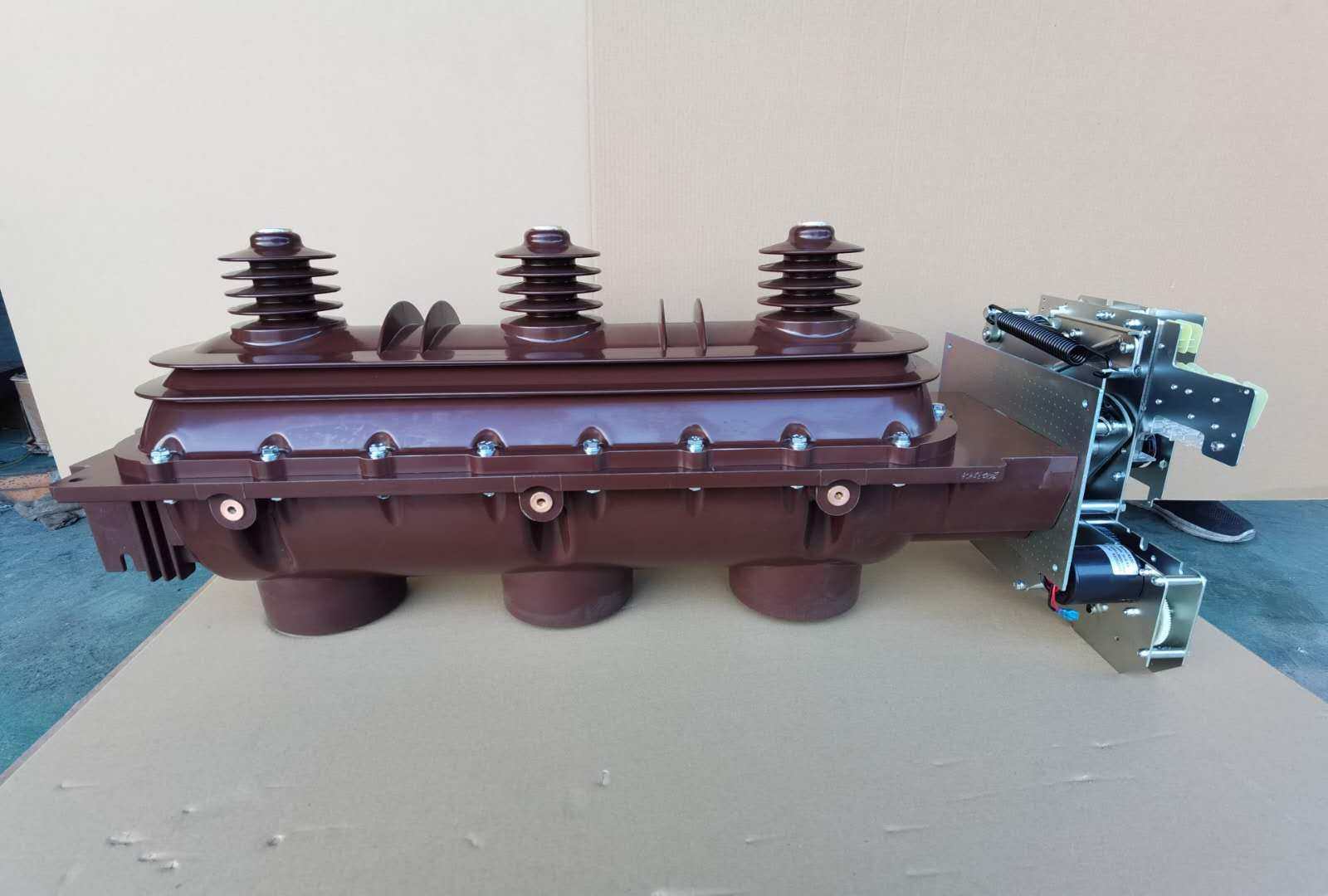
In today's competitive landscape, improving operational efficiency in automated manufacturing isn't just about speeding up production lines—it's about fine-tuning every aspect of the process to reduce waste and boost reliability. By integrating smart sensors and real-time data analytics, companies can pinpoint bottlenecks before they cause downtime, ensuring that machines operate at peak performance with minimal human intervention. This proactive approach not only cuts costs but also enhances product quality, making operations more resilient to market fluctuations and unexpected disruptions.
Beyond mere automation, enhancing efficiency involves adopting agile methodologies that allow for rapid adaptation to new technologies or customer demands. For instance, implementing modular production systems enables factories to quickly reconfigure setups for different products, reducing setup times and increasing flexibility. Coupled with predictive maintenance driven by AI algorithms, this strategy minimizes unplanned outages and extends equipment lifespan, fostering a sustainable and responsive manufacturing environment that thrives on continuous improvement rather than static routines.
Moreover, a focus on human-machine collaboration proves crucial; instead of replacing workers, automated systems can empower them with tools for better decision-making and oversight. Training staff to interpret data dashboards and manage automated workflows enhances overall productivity and safety, creating a synergistic environment where technology complements human expertise. This holistic view of efficiency goes beyond isolated metrics, driving innovation and long-term growth by blending cutting-edge tech with skilled human input to create smarter, more adaptive production hubs.
Safety Protocols Powered by SF₆ Technology
In industries where electrical insulation is critical, SF₆ (sulfur hexafluoride) technology has emerged as a cornerstone for enhancing safety protocols beyond traditional methods. This gas, known for its excellent dielectric strength and thermal stability, forms the basis of systems designed to prevent electrical faults and fires in high-voltage applications like substations and switchgear. By effectively suppressing arcs and minimizing the risk of explosions, SF₆-based systems ensure operational continuity and protect personnel and equipment from hazards. Moreover, its inert nature reduces maintenance needs, allowing for reliable long-term performance without frequent interventions.
What sets SF₆ technology apart is its adaptability to modern safety demands, integrating seamlessly with advanced monitoring and control mechanisms. For instance, real-time sensors can detect gas leaks or pressure changes, triggering immediate alerts and automated responses to mitigate risks. This proactive approach not only addresses potential failures before they escalate but also supports compliance with stringent safety regulations in sectors such as energy and manufacturing. Unlike conventional materials that might degrade over time, SF₆ maintains its protective properties in diverse environmental conditions, offering a resilient solution that enhances overall system integrity.
Looking ahead, the evolution of safety protocols using SF₆ technology focuses on minimizing environmental impact while maximizing protection. Innovations include improved sealing techniques to prevent emissions and research into eco-friendly alternatives that retain SF₆'s benefits. These advancements ensure that industries can uphold safety standards without compromising on sustainability, making SF₆ a forward-thinking choice for safeguarding critical infrastructure. By combining robust performance with smart features, this technology continues to set new benchmarks in electrical safety, catering to both current needs and future challenges.
Durability and Reliability in Industrial Electrical Systems
In the heart of modern manufacturing, electrical systems aren't just about keeping the lights on; they're the silent workhorses that ensure production lines hum without a hitch. Durability here means designing components and installations to withstand harsh conditions—think extreme temperatures, vibrations, and chemical exposures. It's the difference between a system that fails in a dust storm and one that powers through, using robust enclosures, corrosion-resistant materials, and redundancy measures. This focus on resilience helps industries avoid costly downtime, making every investment in quality insulation and reinforced wiring pay off in the long run.
Reliability steps in by building systems that deliver consistent performance day in and day out, minimizing unexpected breakdowns. Unlike generic setups, industrial networks rely on predictive maintenance and smart monitoring to prevent faults before they escalate. For instance, integrating sensors that analyze load patterns or thermal imaging can pinpoint weaknesses, allowing for preemptive repairs. It's not just about having backup power; it's about creating a self-adjusting framework where components communicate seamlessly, ensuring that even under peak demand, electrical flow remains stable and safe.
What sets top-tier industrial setups apart is how durability and reliability intertwine to foster operational continuity. By prioritizing long-lasting materials and fail-safe designs, companies reduce the need for frequent overhauls, which in turn boosts overall equipment effectiveness. This synergy proves crucial in sectors like automotive or pharmaceuticals, where a single power glitch can derail entire production batches. Ultimately, it's a commitment to engineering that doesn't just meet standards but anticipates challenges, transforming electrical systems into resilient backbones that drive efficiency and trust on the factory floor.
Adapting to Modern Factory Automation Trends
Navigating the evolving landscape of factory automation demands a proactive approach that moves beyond standard upgrades. Instead of just plugging in new robots or software, it's about integrating smart technologies like IoT sensors and AI-driven analytics to optimize entire production cycles. This shift enables real-time monitoring, predictive maintenance, and adaptive workflows, helping manufacturers boost efficiency while staying agile in a competitive market. Embracing these trends means rethinking traditional processes to be more responsive and data-centric.
Another key aspect involves fostering a culture of continuous innovation within the workforce. As automation tools become more sophisticated, employees need tailored training to work alongside advanced systems, leveraging human creativity for problem-solving and decision-making. By blending new tech with skilled labor, factories can achieve higher output without sacrificing quality, turning automation from a cost-saver into a growth engine.
To truly stand out, companies should explore niche applications like collaborative robots (cobots) or custom automation solutions tailored to specific industry challenges. This personalized approach not only enhances operational flexibility but also differentiates brands by delivering unique value propositions, ensuring they don't just follow trends but set new standards in automation excellence.
Cost-Effective Solutions for Electrical Safety Upgrades
When it comes to electrical safety upgrades, many people assume it will break the bank, but that's not always the case. You can start with simple, low-cost measures like replacing outdated wiring or installing ground fault circuit interrupters (GFCIs) in moisture-prone areas. These small changes can significantly reduce the risk of shocks and fires, offering peace of mind without draining your savings. Plus, local utility companies often provide rebates or incentives for such upgrades, making them even more affordable for homeowners and businesses alike.
For those facing larger-scale needs, consider phasing the work over time. Instead of tackling everything at once, prioritize critical areas such as the main electrical panel or circuits powering high-demand appliances. This approach spreads out costs and allows for budget planning, while still addressing urgent safety hazards. Another cost-effective move is to hire qualified electricians who offer package deals for multiple services, as bundling tasks like inspections, repairs, and installations can lower overall expenses compared to piecemeal work.
Don't overlook DIY-friendly options that complement professional efforts. For instance, adding surge protectors to sensitive electronics or using tamper-resistant outlets can be quick, inexpensive projects that enhance safety. By mixing professional upgrades with smart, budget-conscious choices, you can create a robust electrical safety plan that fits your financial reality—proving that protecting your property doesn't have to come with a hefty price tag.
FAQ
An SF₆ load switch is a type of electrical switchgear that uses sulfur hexafluoride gas as an insulating and arc-quenching medium. It functions by safely interrupting or making electrical circuits under load conditions, often in medium-voltage applications, relying on the gas's high dielectric strength to prevent arcs and enhance reliability.
Recent advancements have led to more compact and intelligent SF₆ load switches with integrated sensors and digital controls. These improvements enable seamless integration into automated systems, allowing for remote monitoring, predictive maintenance, and faster switching times, which boost efficiency and reduce downtime in factories.
Modern switches come with enhanced safety features like robust enclosures to prevent gas leaks, interlocking mechanisms to avoid accidental operation, and real-time monitoring of gas pressure and temperature. These measures help mitigate risks of electrical faults, ensuring safer workplaces and prolonged equipment life.
Yes, SF₆ is a potent greenhouse gas with a high global warming potential. Manufacturers are addressing this by developing more efficient designs that use less gas, implementing better leak-detection systems, and exploring alternative insulating materials or gas mixtures to reduce environmental impact.
SF₆ load switches generally offer superior performance with higher dielectric strength and better arc-quenching capabilities than air-insulated types, leading to smaller sizes and longer maintenance intervals. Compared to vacuum switches, they handle higher voltages more effectively and are less prone to contact wear, making them ideal for harsh industrial environments.
They play a critical role by providing reliable circuit interruption and isolation, which helps prevent power outages and equipment damage. Their fast response and durability contribute to stable power distribution, ensuring that automated production lines run smoothly with minimal disruptions.
Innovations such as corrosion-resistant alloys and optimized gas handling systems extend the lifespan of switches by reducing wear and maintenance needs. These design improvements also lower operational costs through energy efficiency and fewer replacements, offering a better return on investment over time.
Conclusion
SF₆ load switches represent a significant leap in industrial electrical systems, combining innovative design with robust safety features. These switches leverage sulfur hexafluoride's superior insulating and arc-quenching properties, allowing for compact, durable designs that withstand harsh factory environments. Key advancements include enhanced operational efficiency, as automation trends demand reliable, low-maintenance components that minimize downtime. The technology integrates seamlessly with modern manufacturing processes, supporting real-time monitoring and control while ensuring long-term reliability. This focus on durability not only extends equipment lifespan but also reduces the need for frequent replacements, contributing to sustainable operations.
In terms of electrical safety, SF₆ load switches offer cost-effective solutions for facility upgrades, empowering companies to adopt stronger protocols without excessive investment. By mitigating risks like electrical faults and fires, they protect both personnel and machinery, aligning with global safety standards. The adaptability of these switches to evolving automation trends ensures they remain relevant in dynamic industrial landscapes, providing a future-proof foundation. Ultimately, SF₆ technology bridges the gap between efficiency and safety, delivering a holistic approach that enhances factory productivity while prioritizing human and asset protection in automated settings.
Contact Us
Contact Person: Doreen
Email: [email protected]
Tel/WhatsApp: 8618057712366
Website: https://www.liugaopower.com/