

Switchgear Manufacturer Guide: Choosing the Right Partner for Reliable Power Distribution
2026-08-21
Power distribution is the backbone of any facility, and the switchgear you choose can make or break its reliability. But with so many manufacturers claiming to offer the best solutions, how do you separate the real partners from the noise? This guide cuts through the marketing speak and walks you through what actually matters—from technical expertise to after-sales support. Along the way, you'll see why companies like Deepwill stand out, and how to apply those same standards to your own selection process.
Where Switchgear Manufacturers Fall Short (and How to Spot It Early)
Many switchgear suppliers promise rugged enclosures and reliable breakers, but the real value lies in how they handle the details that only show up after installation. One early warning sign is the lack of thermal imaging or partial discharge testing on busbar joints before shipment. Factories that skip these checks often ship units with loose connections or invisible insulation voids, which turn into hot spots or flashovers months later. Ask for actual test reports, not just a generic certificate, and look for evidence of infrared scans at full load, not just at factory ambient conditions.
Another common shortfall is the absence of arc fault containment testing beyond the basic type test. While most manufacturers can point to a passed internal arc test, few can show that every production unit maintains the same gasket placement, door interlock timing, and pressure relief path as the tested sample. Deviations happen when assembly crews rush, substitute cheaper gaskets, or route control wiring through blast zones. If the manufacturer won’t provide a point-by-point production checklist tied to the arc test configuration, consider it a red flag.
Finally, watch for poor documentation of short-circuit withstand and coordination. A switchgear lineup may have a high interrupting rating on paper, but if the manufacturer can’t produce time-current curves that match the actual protective relay settings, you could end up with nuisance tripping or delayed fault clearing. Early-stage suppliers often omit downstream coordination studies because they’re time-consuming. Insist on a written coordination report with each breaker’s trip curve overlaid, and verify that the relay firmware version matches the settings file before the gear leaves the factory.
Certification Is Not a Promise: What Actually Predicts Reliable Power Distribution
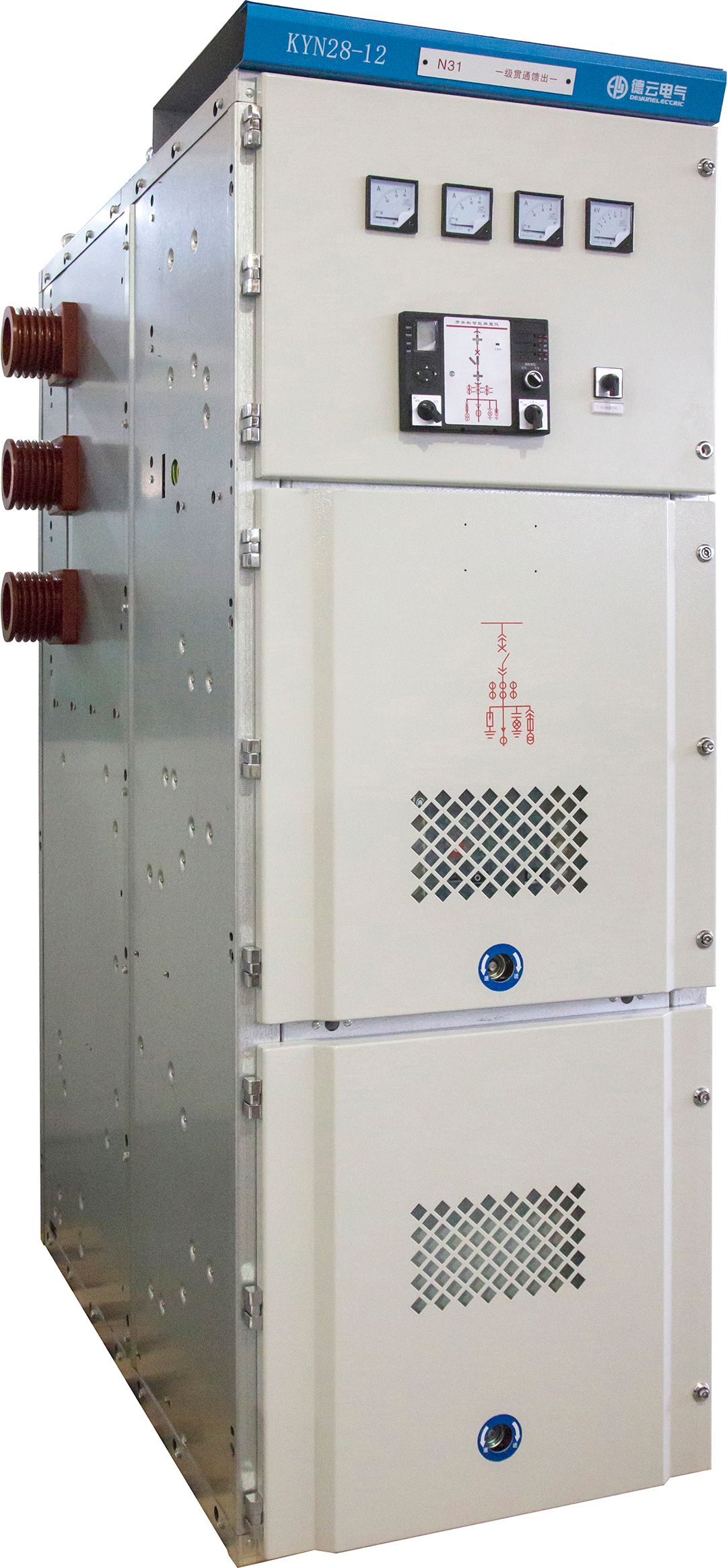
Most utility certifications look impressive on paper but say surprisingly little about day-to-day grid performance. A stamp of approval from a standards body may confirm that equipment met a set of lab conditions at one point in time, yet it often ignores how the same components behave after years of thermal cycling, voltage stress, or exposure to coastal humidity. Real-world reliability depends far more on maintenance culture and operational context than on a framed certificate hanging in a control room.
Field data from distribution networks points to a more useful set of predictors: the frequency of infrared inspections on switchgear, the replacement interval for aging cable joints, and whether crews actually follow torque specifications during routine terminations. Utilities that log these details and act on them tend to see fewer unplanned outages, regardless of whether their transformers carry a premium certification badge. In contrast, sites with pristine paperwork but stretched maintenance budgets routinely experience failures that no certificate could have prevented.
Another overlooked factor is the local grid's fault current exposure and how quickly protection settings are reviewed after feeder reconfiguration. A certified breaker can still fail to clear a fault if its coordination study is outdated, leaving downstream equipment to absorb damaging energy. Reliable power distribution, it turns out, is less about the promises printed on a nameplate and more about the unglamorous, continuous work of testing, measuring, and correcting assumptions before they become outages.
Custom Enclosures, Busbar Layouts, and Other Requests That Separate Builders
Not every shop is willing to deviate from a standard drawing set. When a project calls for a non-standard enclosure footprint, a vertical busbar arrangement that wasn't in the original bid, or an access door on the opposite side, the difference between builders becomes obvious quickly. The ones who thrive on these requests treat them as a normal part of the work rather than an interruption.
Custom enclosures often come down to more than just sheet metal. A builder might need to match an existing paint finish, maintain a specific ingress rating while adding knockouts, or accommodate wall-mount brackets that were never part of the catalog. Busbar layouts push that further: odd phase spacing, mixed tin and silver plating, or a stacked neutral that has to clear a low ceiling. These changes aren't exotic; they're the kind of field-driven adjustments that separate a flexible fabricator from a company that only ships its own standard designs.
Other requests run the same gauntlet. Stenciled terminal labels that survive outdoor exposure, factory testing with a customer-supplied breaker, bolted covers instead of hinges, or crating sized for a narrow freight elevator. None of these are glamorous, but together they show whether a builder's engineering and production teams actually talk to each other and to the customer. That willingness to adapt without turning every change into a costly add-on is what sets a few shops apart.
The Test Report You Should Demand Before Signing Off
A handshake and a verbal “all good” are not the same as a signed test report. What you need is a document that tells you exactly what was tested, under what conditions, and with what results—not just a pass/fail summary. Ask for the raw numbers: how many test cycles ran, what environments were used, and which edge cases were deliberately pushed to failure. If the report glosses over failures or omits the test data, you’re signing off blind.
Look beyond the green checkmarks. A useful test report should include anomalies that were found but not fixed, the specific versions of hardware and software used during testing, and the names or roles of the people who executed the tests. Demand a clear statement of what was out of scope—every untested feature is a potential landmine. Without that, you’re accepting risk without knowing its shape.
Finally, check the date and the signature. A report from three months ago, or one that lacks a clear owner, is not valid for today’s build. The person signing should be accountable for the results, not just forwarding a template. If the report reads like a marketing brochure with no trace of actual test logs, send it back and ask for the version that includes the failures, the red flags, and the open questions.
Downtime Doesn't Wait on Shipping: Evaluating Local Support and Spare Parts
When a production line goes down, every hour of waiting translates into lost revenue. If the only spare part you need is sitting in a warehouse across the ocean, the promised “fast shipping” often becomes a bottleneck. That's why evaluating a supplier's local support network should come before you sign the contract.
A local parts hub or a technician within a short drive can turn a multi-day outage into a same-day fix. Ask about real inventory levels, not just what's listed in a catalog. Many companies claim global reach but keep thin regional stock. Push for details: how many critical components are physically on hand within your country or state?
Also consider the knowledge depth of local support teams. A nearby engineer who understands your specific machine can troubleshoot without waiting for remote guidance. In downtime scenarios, that kind of immediate, hands-on expertise is worth far more than a discounted price on parts that arrive too late.
The Real Price of Switchgear: Total Cost Beyond the Initial Purchase
Most buyers stop at the sticker price of switchgear and miss the expenses that quietly accumulate after installation. Commissioning alone can reveal gaps in protection coordination, forcing retrofits or additional relays that weren't in the original scope. Then there's the floor space and cooling demands: older air-insulated units may need dedicated ventilation or even air conditioning, adding monthly energy costs that never appear on the purchase order.
Maintenance is another budget line that separates cheap gear from a wise investment. Busbar torque checks, breaker lubrication, insulation testing, and eventual contact replacement all require downtime—and downtime in a production facility costs far more than the technician's hourly rate. A switchgear lineup that needs frequent servicing or has poor spare parts availability can double its true cost within five to seven years.
Finally, factor in how the equipment handles faults and arc flash. If incident energy levels are high, you'll spend more on personal protective equipment, safety training, and possibly remote racking devices. Choosing switchgear that reduces arc flash hazards and offers longer maintenance intervals usually costs more upfront but pays back through fewer shutdowns and safer work conditions.
FAQ
Look beyond glossy brochures. A reliable partner will openly share test reports, material certifications, and reference projects. They should also have a track record in your specific industry, whether it's data centers, utilities, or industrial plants. Ask how they handle design changes and whether their engineers get involved early in your project planning.
It's often the deciding factor after installation. Switchgear can run for decades, but only if someone is there to support upgrades, spare parts, and emergency faults. A manufacturer with local service engineers and a stocked spare parts warehouse will save you from long outages. Ask for a written response-time guarantee before signing anything.
The initial quote rarely tells the whole story. Watch for costs tied to transportation, on-site commissioning, extended warranty, and future expansion. Some manufacturers cut corners on busbar plating or breaker quality to win on price, which leads to overheating and failures later. Compare total lifecycle cost, not just the purchase price.
Request a factory tour or a video walkthrough. Pay attention to how they handle routine tests like dielectric withstand, temperature rise, and short-circuit verification. A serious manufacturer will have an in-house lab and will not hesitate to show you type-test certificates from independent labs like KEMA or UL. Also ask about their defect rate and how they trace non-conformities.
Standard catalogs don't fit every substation layout or protection scheme. A good partner will adapt busbar arrangements, enclosure dimensions, and control wiring to your specs without inflating the price. Give them a sample single-line diagram and see how quickly they return a detailed technical proposal. Slow or vague answers often signal limited engineering depth.
Be wary of vendors who avoid sharing reference sites, cannot provide clear test documentation, or constantly shift responsibility to subcontractors. Also watch for unrealistic lead times that seem too good to be true, as they often mean rushed assembly and skipped quality checks. A lack of direct communication with their engineering team is another warning sign.
Critical. Switchgear depends on components like vacuum interrupters, relays, and copper busbars. A manufacturer with diversified suppliers and a buffer stock of key parts can keep your project on schedule when global shortages hit. Ask them how they managed during recent supply chain disruptions and what their current inventory policy is for long-lead items.
Move beyond the standard one-year coverage. Request clarity on what's included: parts, labor, travel time, and software updates for protection relays. A good warranty should also state the process for escalating defects and the turnaround time for replacement breakers. Some manufacturers offer 24/7 remote diagnostic support, which can be more valuable than a longer paper warranty.
Conclusion
Choosing a switchgear partner often reveals troubling gaps only after the equipment is installed. Early warning signs include vague responses about past project failures, reluctance to share factory audit results, or a pattern of substituting components without telling you. Certification alone means little because many manufacturers hold the same ISO or UL marks yet still produce inconsistent busbar alignment or under-rated enclosures. The real differentiator shows up when you ask for custom layouts, unusual ingress protection, or specific busbar sequencing. Builders that push back with boilerplate answers or excessive lead time for simple changes typically lack the in-house engineering depth needed for reliable power distribution.
Before signing off, demand a full type-test report from the exact assembly you are buying, not a similar design or a sibling model. Pay attention to temperature rise data, short-circuit withstand ratings, and internal arc classification. Local support matters more than most buyers expect; if a critical breaker or control relay fails, waiting weeks for overseas parts turns a minor fault into extended downtime. Assess not just the purchase price but the total cost over ten years: commissioning delays, retrofit compatibility, spare part availability, and the likelihood of emergency call-outs. Manufacturers that openly provide test documentation, maintain regional stock, and quote realistic lead times for custom enclosures are far more likely to keep your facility energized without costly surprises.
Contact Us
Contact Person: Julion
Email: [email protected]
Tel/WhatsApp: 8617351370631
Website: https://www.deyunelectric.com