

Wholesale FIP Injectable GS-441524 What You Need to Know Before Buying
2026-09-06
Buying injectable GS-441524 in bulk for FIP treatment feels like a high-stakes gamble if you don't know what to look for. A lower price per vial means nothing if the batch is impure, the seal fails, or the concentration drifts. Before you commit to a wholesale order, it's worth understanding the few details that separate a reliable supplier like Lucpets from the rest.
Injectable GS-441524: Concentration, Purity, and Why the Base Liquid Matters
The concentration of GS-441524 in an injectable solution directly influences dosing accuracy and clinical outcomes. Too diluted and you risk underdosing, forcing larger injection volumes that can cause local irritation or uneven absorption. Too concentrated and you may encounter solubility limits, precipitation, or viscosity issues that make the injection painful and the drug less stable during storage. For feline infectious peritonitis treatment, most practitioners look for a target range between 15 and 20 mg/mL, but the exact number depends on the specific formulation and the cat's body weight.
Purity is equally critical, and it goes beyond just the percentage on a certificate of analysis. The raw powder used to make the injectable must be free of toxic solvents, heavy metals, and unreacted intermediates. A purity claim of 99% or higher sounds reassuring, but without third-party batch testing, that number is meaningless. You need to verify the residual solvent profile, especially for dimethyl sulfoxide or polyethylene glycol used in the base liquid, as these can cause hemolysis or injection site necrosis if present above safe thresholds.
The base liquid itself is often overlooked but makes a significant difference in how the drug behaves after injection. Aqueous buffers are gentle but may not dissolve GS-441524 well enough without pH adjustment or co-solvents. Propylene glycol and ethanol mixtures can improve solubility but sting badly and may dehydrate tissue. Glycerin-based or oil-based carriers slow absorption and reduce pain, yet they may alter the drug's bioavailability. The best base liquid balances solubility, pH near physiological levels, minimal tissue irritation, and long-term stability under refrigeration. Skipping this detail can turn an effective antiviral into a painful, poorly absorbed, or even dangerous injection.
Understanding Batch Testing and Certificates of Analysis Before You Commit
Most buyers glance at a certificate of analysis, see a few numbers that look acceptable, and move on. That's a mistake. A COA is more than a stamp of approval — it's a snapshot of a specific batch under specific lab conditions, and not all labs are equal. Some use outdated methods or skip critical steps, so a passing result from one facility can mask problems that another would catch. Before you commit to a purchase, ask who ran the test, when it was done, and whether the sample truly represents the lot you're about to receive.
Batch testing isn't just about potency or purity; it's about consistency across production runs. A single impressive COA from months ago tells you nothing about the batch sitting in front of you now. Reputable suppliers test every batch, not just the first one, and they'll share those records without hesitation. Pay attention to the full profile: residual solvents, heavy metals, microbial limits, and any other parameters relevant to your intended use. If a supplier only highlights the favorable numbers and hides the rest, that silence speaks volumes.
Commitment should come after you've matched the batch number on the COA to the physical container, verified the lab's accreditation, and understood any deviations from typical ranges. A slight drop in one metric might be harmless for one application but disastrous for another, so don't judge the COA in a vacuum. Treat it as one piece of evidence among several — including the supplier's track record, your own independent testing, and how transparent they are when questions come up. That's the difference between a smart purchase and an expensive lesson.
Wholesale Pricing Traps: Spotting Inactive or Impure Stock Before It Costs You
A low per-unit quote doesn't mean much if the stock sits on your shelf. Inactive ingredients or heavily cut product can look identical to the real thing until you put it to work. Always pull a small sample before committing to a case. Check solubility, color, and odor against a known good batch. If the seller won't provide a sample or certificate of analysis, treat that as a red flag.
Pricing that's dramatically below market usually signals a filler problem. Suppliers sometimes extend product with inactive powders or mix in a lower-grade fraction to protect margin. Ask for the lot's activity level or purity percentage in writing, then verify it with a third-party lab if the order size justifies it. A $200 saving can quickly turn into a chargeback or lost customer trust when the formulation fails.
Another trap is old stock being cleared out as "fresh." Heat and humidity degrade many active compounds even when packaging looks sealed. Check the manufacture date and storage conditions before you buy. If the batch is close to its shelf-life limit or has changed hands multiple times, the lower price is probably paying for the risk, not the product.
Storage and Handling Protocols to Keep Every Vial Effective Until the Last Dose
The moment a vial leaves the pharmacy fridge, its stability clock starts ticking. For most injectables, the real enemy isn’t a single warm afternoon—it’s cumulative exposure to subtle temperature swings, direct light, and rough handling. Keep unopened vials in their original carton at 2–8°C, and never store them in the door where the temperature fluctuates every time someone reaches for a carton of milk. A basic min-max thermometer placed next to the stock gives you a true picture of overnight drift that a spot-check never will.
Once a vial is punctured, the rules shift. Use a fresh alcohol swab on the stopper and let it dry completely before drawing up a dose—wet alcohol can be pushed into the solution and cause irritation or degrade sensitive peptides. Write the beyond-use date directly on the vial with a fine-tip marker, not just on the box. And if the manufacturer says "discard after 28 days," that assumes you’ve kept the vial refrigerated between uses and avoided shaking it. Frothing or bubbles are a sign you’ve been too aggressive; many proteins denature at air-liquid interfaces.
Finally, protect multi-dose vials from light as zealously as you protect them from heat. Amber bags or foil wrapping cost almost nothing and prevent UV breakdown of light-sensitive compounds. When transporting doses, use a validated cooler with frozen gel packs placed away from direct contact—vials can freeze against a gel pack even when the surrounding air stays within range. The goal is simple: every vial should behave on dose ten exactly as it did on dose one.
Supplier Questions That Reveal More Than Their Marketing Claims
Ask them to walk you through the last order that went wrong, including what the customer never found out. A supplier that only shares success stories is hiding how they behave when the lights go off. The details they avoid often point to the defects you will inherit.
Request a recent corrective action report from a real audit, not the glossy certificate on the wall. If they send a five-year-old compliance letter or start explaining why audits are just paperwork, treat that delay as an answer. Their willingness to show unflattering findings tells you how they treat future problems.
Ask how they handle a client who changes the spec after the first run. Listen for whether they admit the change will add cost, adjust the line, or push back with a timeline. A supplier that says yes to everything before you sign rarely says yes to quality after you pay.
Dosing Precision and Injection Technique: Avoiding Treatment Setbacks
Many patients underestimate how subtle variations in dosing and injection mechanics can quietly undermine therapeutic progress. A dose drawn too hastily, a needle angle off by a few degrees, or an injection site that hasn't been properly rotated can trigger a cascade of avoidable complications—ranging from tissue irritation and inconsistent absorption to full-blown treatment resistance. Rather than viewing precision as a matter of clinical perfectionism, it helps to think of it as a form of self-protection: each careful step removes another variable that could otherwise derail weeks of hard-won progress.
The most common setback isn't a dramatic error but a slow drift into routine carelessness. Patients who initially follow every instruction meticulously often begin to compress steps once they feel comfortable—skipping the pinch test, reusing the same quadrant too frequently, or injecting at a slightly different depth simply because it feels more convenient. These small deviations accumulate, creating uneven drug delivery that can mimic treatment failure. A useful safeguard is to periodically video-record your own technique and compare it against the original training, or to ask a clinician to observe a live injection every few months. The goal isn't to critique yourself harshly but to recalibrate before bad habits become ingrained.
Another overlooked factor is the physical environment in which dosing takes place. Injecting under time pressure, in poor lighting, or while distracted by a phone call can introduce errors that have nothing to do with skill. Even the temperature of the medication matters—cold solutions may flow differently through a fine-gauge needle, altering the perceived resistance and leading to premature plunger release. Building a short, repeatable pre-injection routine—checking the dose, warming the vial if needed, selecting a fresh site, and pausing for one deep breath—creates a reliable buffer against the kind of scattered attention that turns a simple task into a setback. Precision is less about innate talent and more about designing an environment where consistency is the default.
FAQ
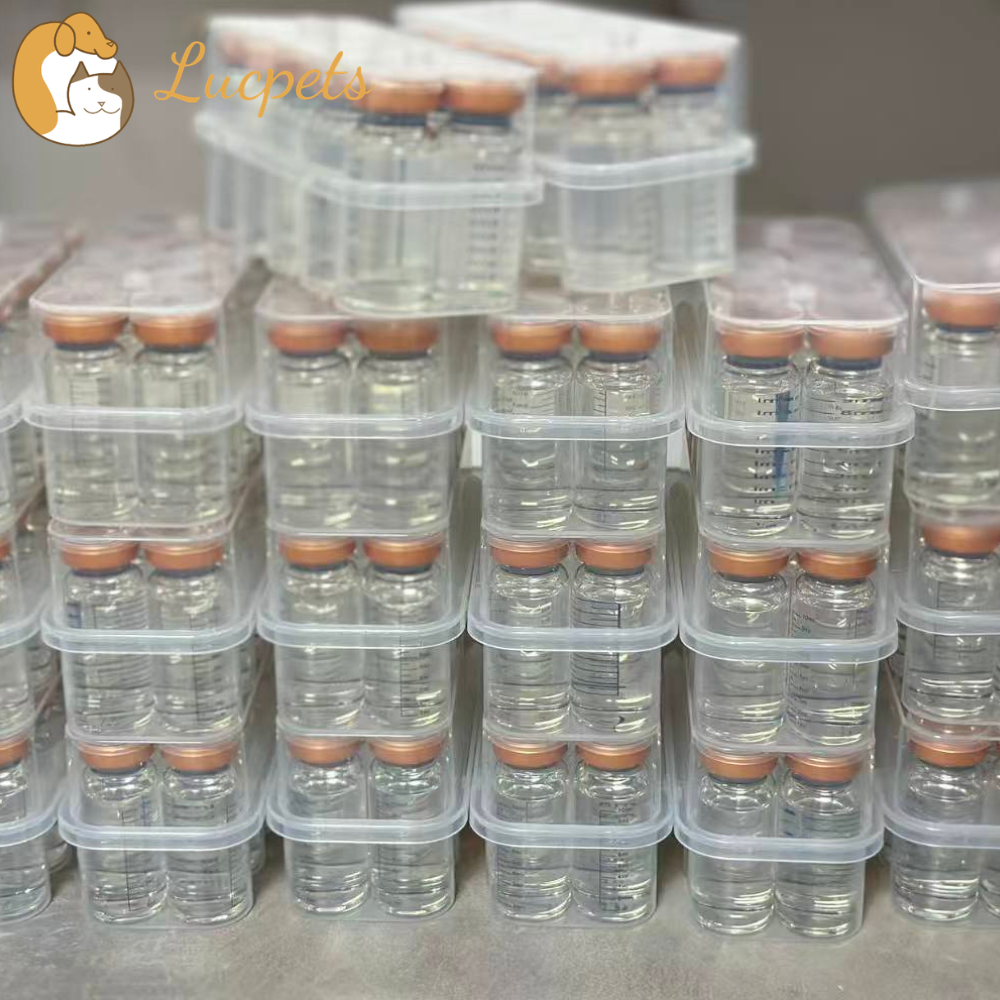
GS-441524 is the active nucleoside analog that Remdesivir converts into inside the body. In feline FIP treatment, it targets viral RNA replication directly. Unlike Remdesivir, it does not require hepatic conversion, which some veterinarians believe gives it a faster onset in cats. The injectable form is typically supplied as a 15 to 20 mg per ml solution in a clear vial.
Aim for at least 99 percent purity by HPLC, not just UV. Check for a certificate of analysis that lists residual solvents and endotoxin levels. Common concentrations are 15 mg per ml and 20 mg per ml; anything above 20 mg per ml is often unstable and may crash out of solution. If a supplier refuses to share batch specific COA, walk away.
Ask for a third-party lab report from a facility you can independently contact. Request references from buyers who have used the product for at least 60 days. Check if the supplier can ship small trial vials before a bulk order. Legit manufacturers usually provide photos of the production line and allow video calls. A supplier that only communicates via chat apps and pushes for immediate payment is a red flag.
Store vials in a dark, cool place between 2 and 8 degrees Celsius if opened. Unopened vials can handle brief room temperature but should not exceed 25 degrees Celsius. Never freeze. Once punctured, use within 28 days and swab the rubber stopper with alcohol before each draw. Keep away from direct light, as UV exposure degrades the compound.
Price gaps usually come from purity differences, salt forms, or manufacturing shortcuts like skipping sterile filtration. A low price can mean the powder was weighed but not tested for heavy metals. You might also see GS-441524 sold as a raw powder that is not actually dissolved properly. In feline treatment, a failed batch costs more than the savings. Compare cost per milligram of active ingredient, not per vial.
In many countries GS-441524 is not approved for veterinary use, so shipments may be held at customs. Ask the supplier to label the package as research chemical only if it is truthful; mislabeling can cause seizure and fines. Have an import permit if your country requires one. Keep invoices accurate and avoid buying from suppliers who promise to bypass customs, that usually ends in confiscation.
The biggest mistake is assuming all vials have the same concentration. A 15 mg per ml vial requires more volume than a 20 mg per ml vial for the same dose. Another error is using a fixed dose without adjusting for the cat's weight gain during treatment. Some buyers also reuse needles or fail to shake the vial gently before drawing, causing uneven doses. Always calculate milligrams per kilogram per day, not milliliters per injection.
Run a simple visual check: the solution should be clear, not cloudy or yellow. Check the pH with a test strip, it should be between 4.0 and 5.5. Ask for a melting point analysis of the raw powder; pure GS-441524 melts around 163 to 165 degrees Celsius. If you have access, send a sample to an independent lab for LC-MS. Never rely on a supplier's own quality guarantee without third-party proof.
Conclusion
Before you commit to a wholesale order of injectable GS-441524, look past the price tag and interrogate the vial itself. A low per-unit cost means nothing if the concentration is mislabeled, the purity falls short, or the base liquid causes unnecessary injection pain. Request the certificate of analysis for the exact batch you're buying, not a sample from months ago, and check that third-party testing covers both active ingredient levels and contaminants. Many wholesalers quietly cut corners with inactive isomers or degraded stock, and those defects won't show up until your cats stop improving. If a supplier can't explain why their base liquid is chosen for stability and comfort, walk away. Ask for storage and handling records too; vials that have been frozen, left in heat, or shaken during transit can lose potency well before the expiration date.
The questions you ask before wiring money reveal more than any brochure. A responsible supplier will tell you their batch size, how long they've stored the product, and how they handle returns if a vial arrives cloudy or cracked. Then there's the practical side: even pure GS-441524 fails if dosed carelessly. Buyers should confirm the concentration per milliliter, not just per vial, and train staff on proper injection technique—subcutaneous, slow, and rotated sites—to avoid abscesses and treatment gaps. If your team can't measure accurately or you're tempted to stretch a vial by eyeballing doses, the savings from wholesale pricing will evaporate in poor outcomes and repeated purchases. Before buying, get samples from a few suppliers, run them through a lab if possible, and test how quickly they respond to questions that actually matter. That due diligence, not the marketing language, is what protects every cat in a treatment program.
Contact Us
Contact Person: Aaron
Email: [email protected]
Tel/WhatsApp: +86 18177165140
Website: https://www.lucpetsglobal.com